check

check

check

check

check

check
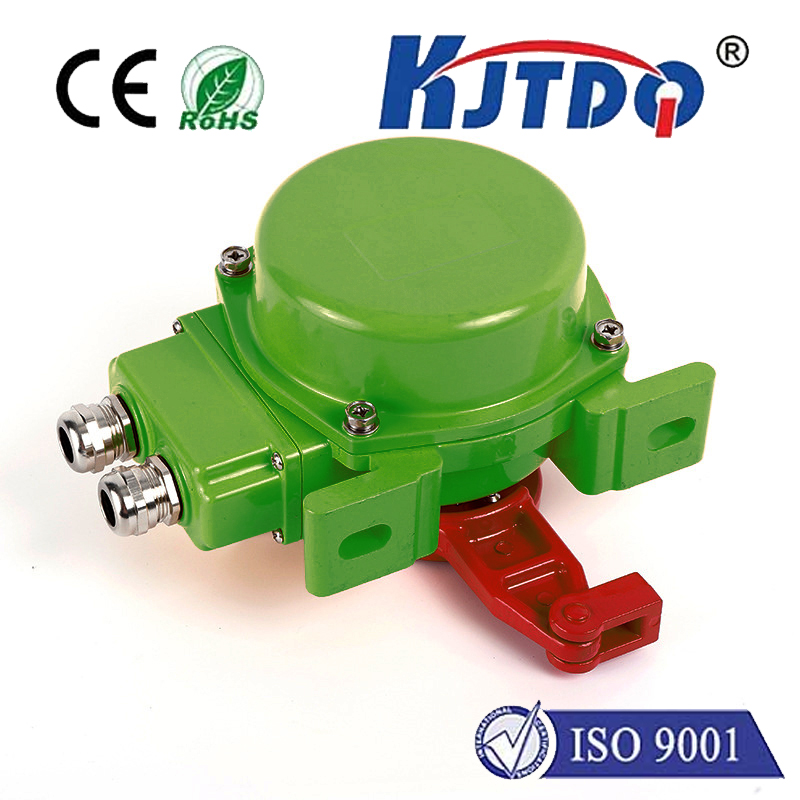
In the demanding world of industrial material handling, conveyor systems are the backbone of operations, moving tons of goods daily. However, their continuous operation presents inherent safety risks for personnel working in proximity. This is where the critical role of emergency stop devices comes into sharp focus. The JSB/KLS-IHCPull Cord Switch stands out as a paramount safety component, engineered to provide immediate and reliable system shutdown in case of an emergency along the conveyor line.
Unlike standard push-button stops, the pull cord switch offers a unique advantage: a long, accessible cable that runs the entire length of the conveyor. This design allows an operator to activate the emergency stop from any point along the belt simply by pulling the cord. The JSB/KLS-IHCP model is specifically built for robustness in harsh industrial environments. Its housing is typically constructed from heavy-duty, corrosion-resistant materials like cast aluminum or stainless steel, ensuring durability against dust, moisture, and physical impact. The internal mechanism is designed for high reliability, often featuring a direct-acting switch that provides a positive break action when the cord is pulled, instantly cutting power to the conveyor drive motor.
The installation and operation principle is straightforward yet highly effective. The switch is mounted at a strategic point, and the steel cable or rope is run along the conveyor, suspended within easy reach. The cable is kept under slight tension. When an emergency occurs—such as a worker getting caught, a material spill, or equipment malfunction—any person can pull the cord. This action mechanically actuates the switch, changing its contact state from normally closed to open. This signal is directly interlocked with the conveyor's control circuit, triggering an immediate and failsafe stoppage of the entire system. This rapid response is crucial for preventing injury, minimizing equipment damage, and avoiding costly production downtime.
A key feature of advanced models like the JSB/KLS-IHC is the inclusion of a manual reset mechanism. After the emergency stop has been activated and the situation is resolved, the system cannot be restarted remotely or automatically. An operator must physically go to the switch location, identify which unit was triggered, and manually reset it. This forced local reset is a vital safety protocol. It ensures a visual inspection of the area is conducted before operations resume, preventing an automatic restart that could endanger personnel still in the hazard zone. Many switches also come with highly visible, brightly colored housings and flags that indicate the tripped status from a distance.
The applications for the JSB/KLS-IHCPull Cord Switch extend across numerous industries. They are indispensable in mining operations for belt conveyors transporting coal or ore, in power plants for fuel handling systems, in aggregate and cement plants, and in any large-scale packaging or distribution warehouse. Compliance with international safety standards is non-negotiable. Reputable switches are designed and tested to meet rigorous standards such as IEC, EN, or specific regional safety codes, ensuring they perform reliably when lives depend on them.
Implementing a network of these pull cord switches along a conveyor, as part of a broader safety system including belt misalignment switches and zero-speed monitors, creates a comprehensive safety perimeter. Regular testing and maintenance are essential to guarantee operational integrity. This involves scheduled inspections for cable tension, switch mechanism freedom, and environmental damage to the housing.
Ultimately, the JSB/KLS-IHCPull Cord Switch is more than just a component; it is a commitment to workplace safety. It empowers every worker on the floor with the ability to halt dangerous machinery instantly. For facility managers and engineers, specifying and maintaining such high-quality emergency stop devices is a fundamental responsibility. It protects the workforce, safeguards valuable assets, and reinforces a culture of safety that is critical for sustainable and responsible industrial operation. Investing in reliable safety technology like the pull cord switch is an investment in human life and operational continuity.