check

check

check

check

check

check
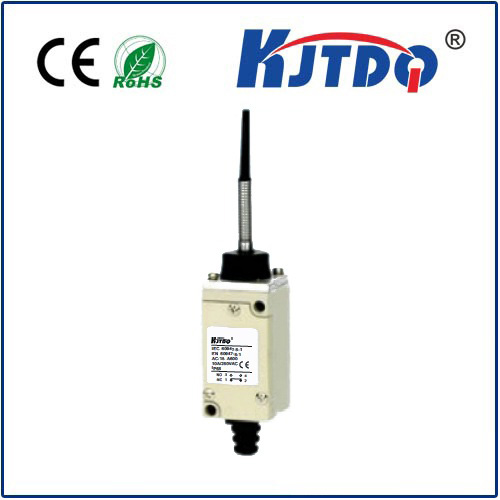
In industrial environments where safety and operational control are paramount, the DH-80 Pull Cord Switch stands as a critical line of defense. This emergency stop device, often marked with the designation KJTDQ, is engineered to provide immediate and reliable shutdown of conveyor belts and other long machinery in the event of an emergency. Its primary function is simple yet vital: when activated by pulling the cord running alongside the conveyor, it cuts power to the drive motor, halting motion to prevent injury or equipment damage.
The operational principle of the DH-80 is straightforward and robust. It is typically installed at strategic intervals along the length of a conveyor, with a steel wire rope or cable running through each switch and along the entire conveyor path. This cable is tensioned appropriately. In a normal state, the switch remains closed, allowing the circuit to remain complete and the conveyor to operate. When an operator encounters a hazardous situation—such as material spillage, a blockage, or a personnel emergency—they can pull the cord at any point. This action releases the tension, causing the switch mechanism to trip and open the electrical contacts. This break in the safety circuit sends a signal to the motor control center, commanding an immediate stop. Many DH-80 models feature a highly visible latch or flag indicator that shows the tripped position, allowing for quick identification of the activation point after an emergency.
Why is the DH-80 Pull Cord Switch so indispensable? The answer lies in its direct contribution to workplace safety compliance and risk mitigation. Conveyors, while efficient, present significant pinch points, entanglement hazards, and other dangers. Regulations and standards worldwide, such as those from OSHA and other safety bodies, mandate the installation of accessible emergency stop devices along such equipment. The DH-80 fulfills this requirement effectively. Its design prioritizes fail-safe operation; in many configurations, a broken or severed pull cord will also activate the stop function, adding an extra layer of protection. The robust housing, often made of corrosion-resistant aluminum or heavy-duty plastic, ensures durability in harsh conditions like mining, aggregate processing, grain handling, and packaging plants.
Beyond the basic emergency function, modern iterations of the DH-80 switch offer features that enhance usability and maintenance. Some models come with dual contacts—one normally open (NO) and one normally closed (NC)—providing flexibility for integration into various control system logic. The reset procedure is typically manual, requiring an operator to visit the switch location, identify the cause of the stop, and physically reset the mechanism. This enforced reset process is a safety feature in itself, preventing accidental or remote restart before the hazard is cleared. For ease of installation and alignment, many units include adjustable mounting brackets and clear terminal markings.
Selecting and maintaining the correct DH-80 Pull Cord Switch is crucial for sustained safety performance. Key considerations include the operating voltage and current rating of the contacts to match the control circuit, the required IP (Ingress Protection) rating for the environmental conditions (e.g., dust, moisture), and the mechanical strength needed for the specific application length and tension. Regular inspection and testing are non-negotiable parts of a safety protocol. Maintenance schedules should include checking the integrity and tension of the pull cord, ensuring the switch mechanism operates freely without sticking, verifying the clarity of visual indicators, and testing the full emergency stop function during planned downtime to confirm it reliably interrupts the control circuit.
In conclusion, the DH-80 Pull Cord Switch, recognized by identifiers like KJTDQ, is far more than a simple mechanical component. It is a fundamental safety engineered product that empowers personnel, protects assets, and helps industries adhere to stringent safety mandates. Its reliable, mechanical-action design provides a trustworthy means to instantly respond to emergencies along extended machinery. For any operation relying on conveyor systems, integrating and meticulously maintaining these switches is not just an operational choice but a core ethical and legal responsibility to ensure a safe working environment.