check

check

check

check

check

check
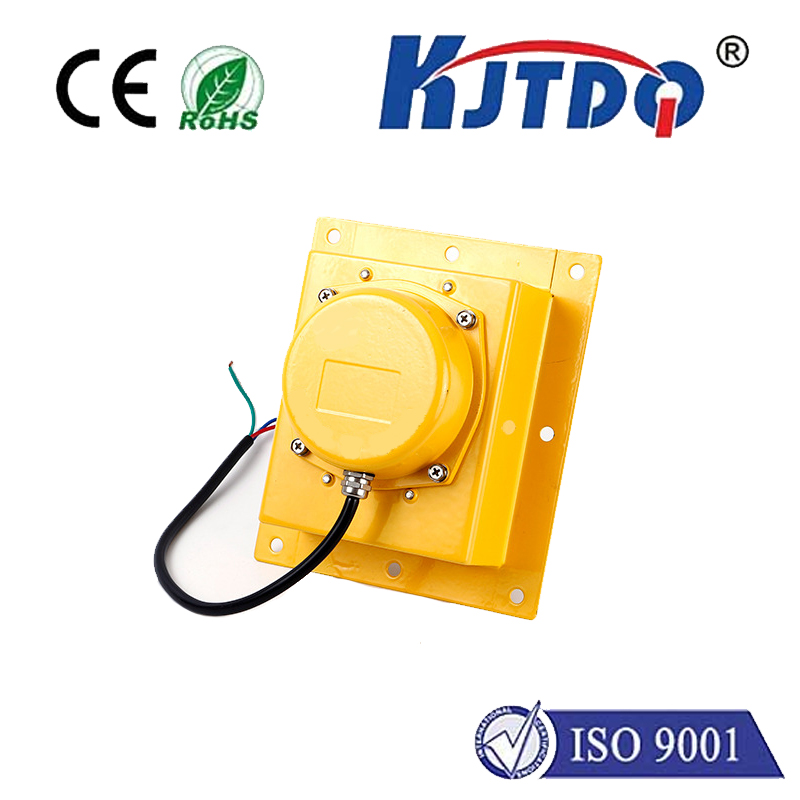
In the demanding world of industrial automation and material handling, safety and operational reliability are non-negotiable. Conveyor systems, the backbone of countless factories, warehouses, and processing plants, require fail-safe mechanisms to protect personnel and equipment during emergencies. This is where the KWB-220L Pull Cord Switch emerges as a critical component. Far more than just a simple emergency stop device, this engineered safety switch represents a robust, reliable, and essential layer of protection for long conveyor runs.
The fundamental principle of the KWB-220L is elegantly straightforward yet profoundly effective. Installed along the length of a conveyor belt, typically on both sides, it features a prominently accessible pull cord or cable running parallel to the conveyor. In the event of an emergency—such as a worker becoming entangled, a material spill, a belt misalignment, or any other hazardous situation—any person along the line can instantly actuate the switch by pulling the cord. This immediate action sends a definitive stop signal to the conveyor's motor control circuit, halting the entire system within seconds to prevent injury or further damage. This manual emergency stop capability is a cornerstone of workplace safety standards worldwide.
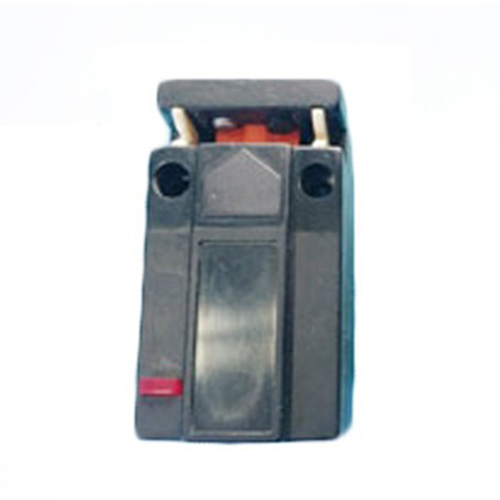
What sets the KWB-220L apart in a crowded market of safety switches is its specific design and construction tailored for harsh industrial environments. The housing is typically built from durable, corrosion-resistant materials like die-cast aluminum or reinforced polymer, protecting the internal mechanism from dust, moisture, and mechanical impact. The internal switching mechanism is designed for high reliability, often featuring a direct-opening action (positive break contacts) that meets stringent safety category requirements. This ensures that even in the case of contact welding, the safety function is maintained, a critical aspect for fail-safe design.
The "220L" designation often refers to specific technical characteristics, which may include a robust switching capacity suitable for direct control circuit interfacing or pilot duty, a clearly visible status indicator (like a bright flag or LED), and a manual reset function. The reset mechanism is a key feature; after the cord is pulled and the emergency is addressed, the switch must be manually reset at the location of the actuation. This prevents unauthorized or accidental restarting, ensuring the cause of the stop is fully investigated and resolved before operations resume, thereby enforcing proper safety lockout/tagout procedures.
Installation and maintenance of the KWB-220L Pull Cord Switch are designed for practicality. They are usually mounted at regular intervals, ensuring the cord is within easy reach from any point along the conveyor, as per safety regulations. The cable itself is tensioned appropriately and can be equipped with guide rollers to ensure smooth operation. Regular testing, as simple as pulling the cord during scheduled safety checks, is vital to confirm operational integrity. Its design often allows for easy access to terminals for wiring and internal components for inspection, minimizing downtime.
Beyond basic emergency stopping, the KWB-220L integrates seamlessly into a plant's broader safety and control system. It can be connected to programmable logic controllers (PLCs), safety relays, or centralized monitoring systems. When activated, it can not only stop the conveyor but also trigger alarms, illuminate warning lights, or send specific fault codes to a control room, enabling a rapid and coordinated emergency response. This functionality is crucial for large-scale, complex material handling operations.
For industries such as mining, aggregate processing, packaging, logistics, and power generation, where conveyors operate over long distances, often in remote or unmanned sections, the KWB-220L provides an indispensable safety lifeline. It empowers every worker on the floor with the immediate ability to safeguard themselves and their colleagues. Compliance with international safety standards like ISO 13850 (Safety of machinery — Emergency stop function — Principles for design) and various regional regulations is a fundamental aspect of its design, helping facility managers meet their legal and ethical safety obligations.
In conclusion, the KWB-220L Pull Cord Switch is not merely an accessory; it is a fundamental safety imperative. Its durable construction, reliable actuation, and mandatory manual reset work in concert to create a simple yet highly effective barrier against industrial accidents. By providing a physically accessible and instantly recognizable means of stopping machinery, it embodies the principle that human safety must always have the final say over machine operation. Investing in and properly maintaining such devices, like the KWB-220L, is a direct investment in operational continuity, asset protection, and, most importantly, human well-being.