check

check

check

check

check

check
In the fast-paced world of industrial automation and machinery control, safety and reliability are non-negotiable. The HFKLT2-DPull cord switch stands as a critical component in this ecosystem, designed to provide an immediate and effective means of emergency stopping for conveyor systems and other long-reach machinery. This device is not just a simple switch; it is a meticulously engineered safety solution that prioritizes human well-being and operational continuity.
The core function of the HFKLT2-D pull cord switch is straightforward yet vital. Installed along the length of a conveyor belt or similar equipment, it features a prominently accessible pull cord. In the event of an emergency, such as a material jam, equipment malfunction, or a personnel safety incident, any operator along the line can instantly activate the switch by pulling the cord. This action triggers an immediate shutdown of the machinery, preventing potential injuries, minimizing equipment damage, and averting costly production downtime. The "D" in its designation often refers to specific design features, such as a dual-level activation mechanism or a particular enclosure rating, enhancing its reliability in demanding environments.
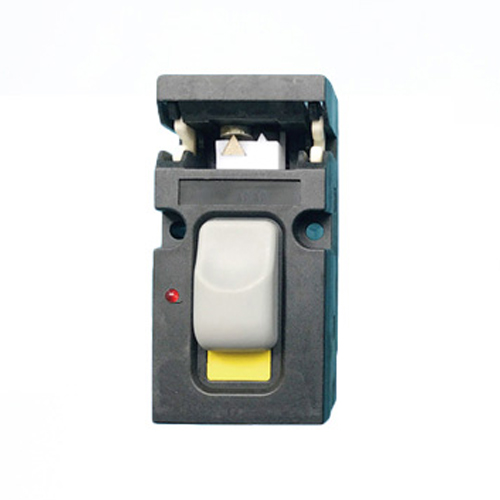
What sets the HFKLT2-D apart is its robust construction tailored for industrial harshness. Typically housed in a durable, corrosion-resistant metal or high-grade polymer enclosure, it is built to withstand exposure to dust, moisture, vibrations, and extreme temperatures commonly found in mining, quarrying, aggregate processing, and manufacturing plants. Its internal mechanism is designed for high mechanical longevity, ensuring consistent performance over millions of cycles. Many models come with a highly visible visual indicator, like a bright flag or LED, which clearly shows the trip status from a distance, allowing for quick identification and reset after an emergency.
Installation and integration are streamlined for efficiency. The HFKLT2-D is designed for easy mounting along conveyor frames. It interfaces seamlessly with a plant's existing safety or control circuit, typically as part of a safety loop. Modern versions often include features like a manual reset function, which requires an operator to physically reset the switch at the location of the trip. This forced local reset is a crucial safety practice, ensuring that the cause of the emergency is investigated and resolved before machinery is restarted, preventing automatic or remote restarts that could endanger personnel.
Beyond basic emergency stopping, the strategic placement of multiple HFKLT2-D switches along a conveyor line creates a continuous safety zone. This design philosophy, often called a "pull wire safety system," empowers every worker along the process line, giving them direct control over their immediate safety. This democratization of emergency response is a cornerstone of modern industrial safety standards, complying with regulations set by bodies like OSHA and ISO. It fosters a proactive safety culture where workers are active participants in hazard prevention.
Maintenance of the HFKLT2-D pull cord switch is minimal but essential. Regular inspection schedules should include checking the integrity of the pull cord for wear or damage, ensuring the housing is sealed against contaminants, verifying the mechanical action is smooth, and testing the electrical switching function. This proactive maintenance ensures the device remains in a state of operational readiness, a key factor in avoiding false trips or, worse, failure during a real emergency.
In conclusion, the HFKLT2-DPull Cord Switch is far more than a simple emergency button. It is an integral, reliable, and robust safeguard embedded into the heart of material handling operations. By providing a fail-safe, manually activated emergency stop from any point along a machine's length, it protects valuable human resources, shields capital-intensive equipment from damage, and upholds the stringent safety protocols that define responsible industrial operations. For engineers and plant managers prioritizing safety without compromising on efficiency, specifying and maintaining high-quality components like the HFKLT2-D is a fundamental decision for sustainable and safe productivity.