check

check

check

check

check

check
In the fast-paced world of industrial material handling, conveyor systems are the arteries that keep operations flowing. Their continuous, often high-speed operation is critical for productivity, but it also presents inherent safety risks for personnel working in close proximity. This is where a simple yet profoundly effective device comes into play: the pull cord switch. Specifically, the BH-PDDW-SDKG series of pull cord switches stands as a paramount example of engineered safety, designed to provide immediate and reliable emergency stopping capability.
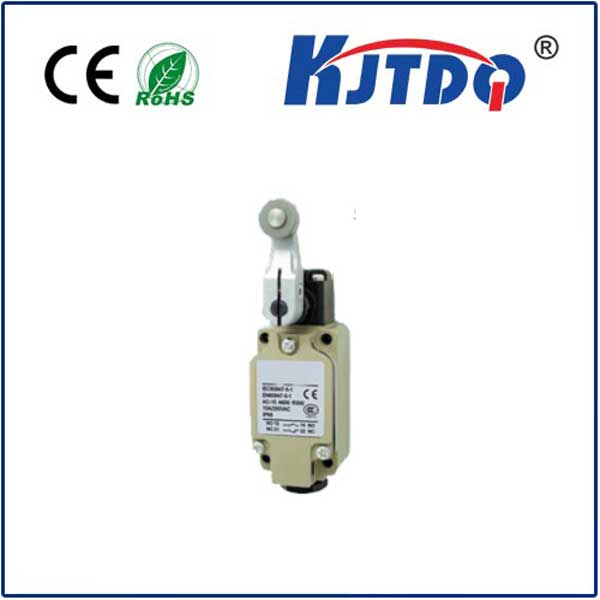
A pull cord switch, often referred to as an emergency stop switch or rope pull switch, is a vital safety component installed along the length of a conveyor belt. Its primary function is to allow an operator to quickly halt the conveyor system from any point along its run in the event of an emergency, such as a personnel entanglement, equipment jam, or fire. The BH-PDDW-SDKG model exemplifies this function with robust construction and fail-safe design principles.
The operational principle is elegantly straightforward. A steel wire rope, the "pull cord," runs parallel to the conveyor, typically within easy reach. This cord is connected to the actuation mechanism of the switch at regular intervals. In a normal state, the switch maintains the electrical circuit that allows the conveyor to operate. When an emergency arises, a person can pull the cord from either side. This action mechanically triggers the switch, instantly breaking the electrical circuit and sending a stop signal to the conveyor's motor control center (MCC). This immediate de-energization is crucial for preventing injury or minimizing damage.
The BH-PDDW-SDKG switch is engineered for the harsh realities of industrial environments. Its housing is typically constructed from durable, corrosion-resistant materials like die-cast aluminum or stainless steel, offering protection against dust, moisture, and mechanical impact. This ensures reliable operation in settings ranging from mining and quarrying to grain handling and packaging plants. Internally, it features a high-quality, snap-action switch mechanism that provides a clear, positive break in the circuit, eliminating the risk of unreliable contact. Many models, including variants of this series, come with a manual reset function. After activation, the switch must be physically reset by an operator, which prevents the conveyor from automatically restarting and allows for a safe situation assessment.
Installation and maintenance are key considerations for any safety device. The BH-PDDW-SDKG is designed for straightforward mounting along the conveyor frame. Proper tensioning of the pull cord is essential; it must be taut enough to prevent sagging but with enough give to allow for easy pulling. Regular inspection routines are mandatory. Maintenance personnel should check for any physical damage to the cord or housing, ensure the cord moves freely without obstruction, and verify the switch's mechanical and electrical response through periodic testing. This proactive approach guarantees the device will perform when seconds count.
Beyond basic emergency stopping, modern pull cord switches like the BH-PDDW-SDKG can be integrated into broader plant safety and control systems. They can be wired to trigger audible alarms or flashing beacons alongside the stop command, alerting all nearby workers. Their status can also be fed into a central programmable logic controller (PLC) or supervisory control and data acquisition (SCADA) system, providing operators with real-time data on the location of the emergency stop activation, which speeds up response and troubleshooting.
Choosing the right pull cord switch is a critical safety decision. Factors such as the conveyor's length, operating environment (presence of explosives, extreme temperatures), required safety certification (e.g., ATEX for hazardous areas), and the voltage/current rating of the control circuit must all be evaluated. The BH-PDDW-SDKG series offers a range of configurations to meet these diverse needs, providing a flexible safety solution.
In conclusion, while often overlooked amidst more complex automation, the pull cord switch remains a non-negotiable pillar of industrial safety. The BH-PDDW-SDKG model embodies the essential characteristics of reliability, durability, and immediate response. It serves as a simple, mechanical lifeline, empowering every worker along the conveyor line with the direct ability to prevent accidents. Investing in and properly maintaining such devices is not just a regulatory compliance issue; it is a fundamental commitment to protecting human life and ensuring responsible, sustainable industrial operations.