check

check

check

check

check

check
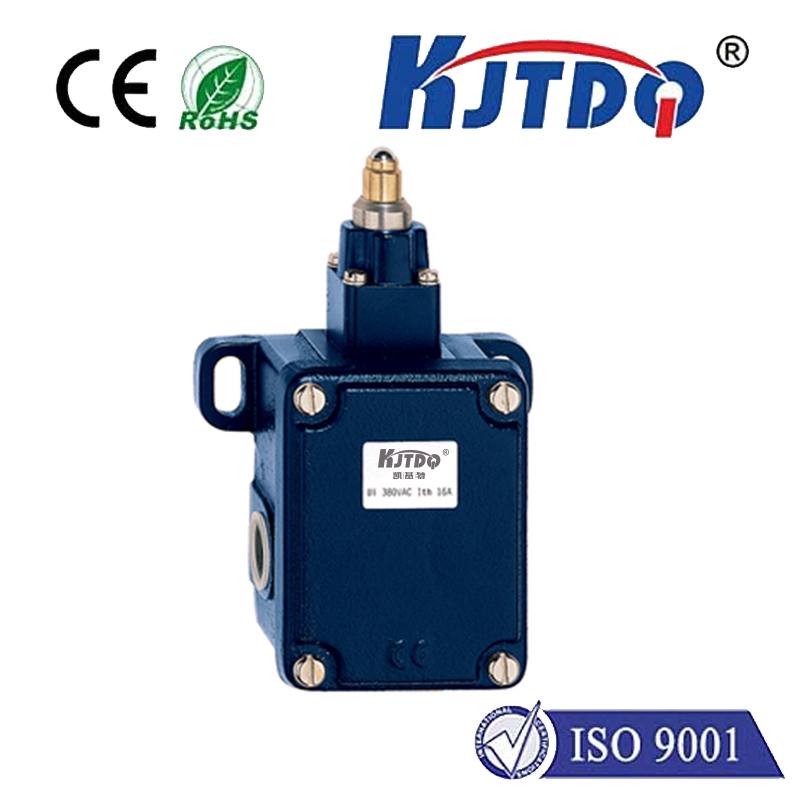
In the world of industrial automation and material handling, safety and operational reliability are non-negotiable. Among the myriad of components that ensure these principles, the humble pull cord switch stands as a critical guardian. Specifically, the ST-60-23 pull cord switch has established itself as a reliable and widely adopted solution for emergency stopping along conveyor belts and similar machinery. This device is far more than a simple switch; it is a fundamental safety interlock designed to protect personnel, prevent equipment damage, and minimize costly downtime.
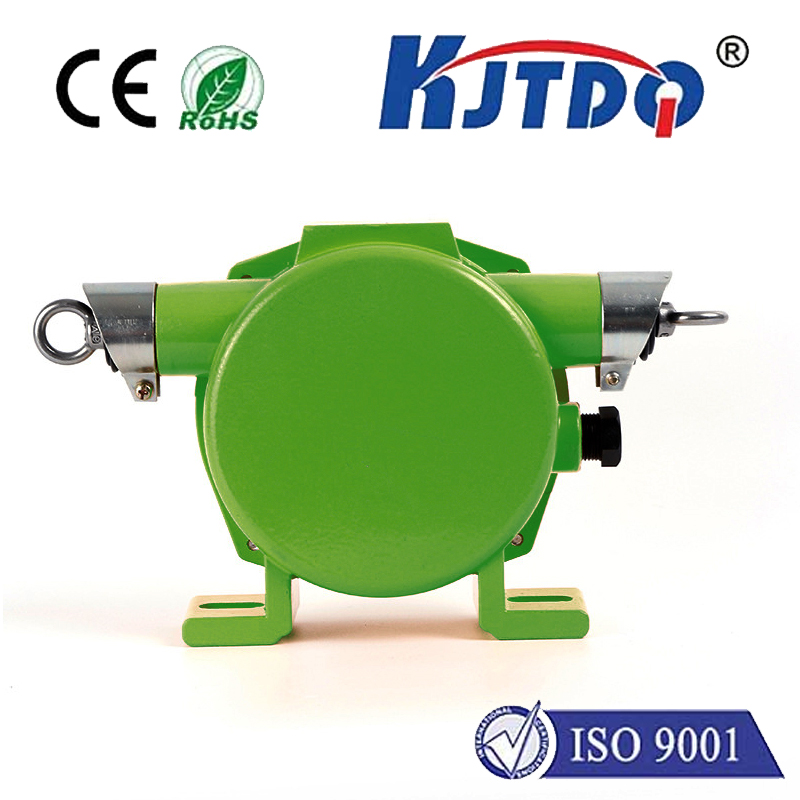
The primary function of the ST-60-23 is straightforward: to provide a manually activated emergency stop mechanism that runs the entire length of a conveyor. In the event of an entanglement, material spillage, personal injury risk, or any other hazardous situation, any operator along the line can instantly halt the machinery by pulling on the accessible cable or cord. This immediate cessation of motion is crucial for preventing incidents from escalating. The "ST" designation often relates to its robust construction and standard specifications, while "60-23" typically refers to a specific model series with defined operational characteristics, such as switching capacity, enclosure rating, and mechanical configuration.
What sets a high-quality pull cord switch like the ST-60-23 apart is its engineering for harsh environments. Industrial settings are fraught with dust, moisture, vibration, and temperature fluctuations. A reliable switch is housed in a rugged, often IP67-rated enclosure that protects its internal mechanism from contaminants. The internal switching element is typically a heavy-duty, positively-driven snap-action switch, ensuring a clear and reliable change of state (from normally closed to open) when the cord is pulled. This action breaks the control circuit of the conveyor motor starter, commanding an immediate stop. Many models, including variants of the ST-60-23, feature a highly visible latch-and-flag mechanism. When activated, the switch remains in the "tripped" or "stop" position, and a bright flag pops out, providing clear visual identification of the initiation point of the emergency stop along sometimes hundreds of meters of conveyor. This allows maintenance or supervisory personnel to quickly locate the issue area after the system is secured.
Installation and compliance are key considerations. The ST-60-23 is designed for straightforward mounting along the conveyor's frame at regular intervals, as dictated by safety standards such as ISO 13850, ANSI B11.19, or various regional machinery directives. The pull cord itself is run through pulley brackets and maintained at a consistent, easily reachable tension. Proper installation ensures the cord is within the "access zone" for operators, typically no higher than 1.7 meters and no lower than 0.6 meters from the walking surface. Furthermore, a critical safety feature is the "run-down" or "fail-safe" operation. The switch must be designed so that a *slack* or *broken* cord will also activate the stop command, just as a pulled cord would. This ensures safety is maintained even if the cable itself is damaged, eliminating a potential single point of failure.
Beyond basic emergency stopping, modern applications demand integration with broader control systems. The ST-60-23 switch often provides auxiliary contacts that can be used to send a signal to a Programmable Logic Controller (PLC) or a central monitoring system. This allows for automated alerts, pinpointing the tripped switch zone on a control room HMI screen, and logging stoppage events for operational analysis and preventative maintenance scheduling. This data integration transforms the pull cord switch from a standalone safety device into a node in a smart safety network.
Regular testing and maintenance are imperative to ensure the ST-60-23 performs its life-saving function when needed. Procedures should include periodic functional tests where the cord is pulled to verify the conveyor stops and the indicator latches. The mechanical components, including the cord, pulleys, and tension springs, should be inspected for wear, corrosion, or damage. The switch's electrical contacts and terminals must also be checked for integrity. A well-documented maintenance log is not just a best practice; it is often a regulatory requirement.
In conclusion, the ST-60-23 pull cord switch exemplifies a principle where simplicity in operation belies sophistication in safety design. It serves as an indispensable, last-line-of-defense for operators working near moving machinery. For engineers, plant managers, and safety officers specifying equipment for conveyor systems, crushers, or other long machinery, selecting a proven, durable, and standards-compliant pull cord switch is a direct investment in human safety and operational continuity. Its presence is a constant, silent testament to a facility's commitment to a culture of safety, where every individual has the direct and immediate power to prevent an accident.