check

check

check

check

check

check
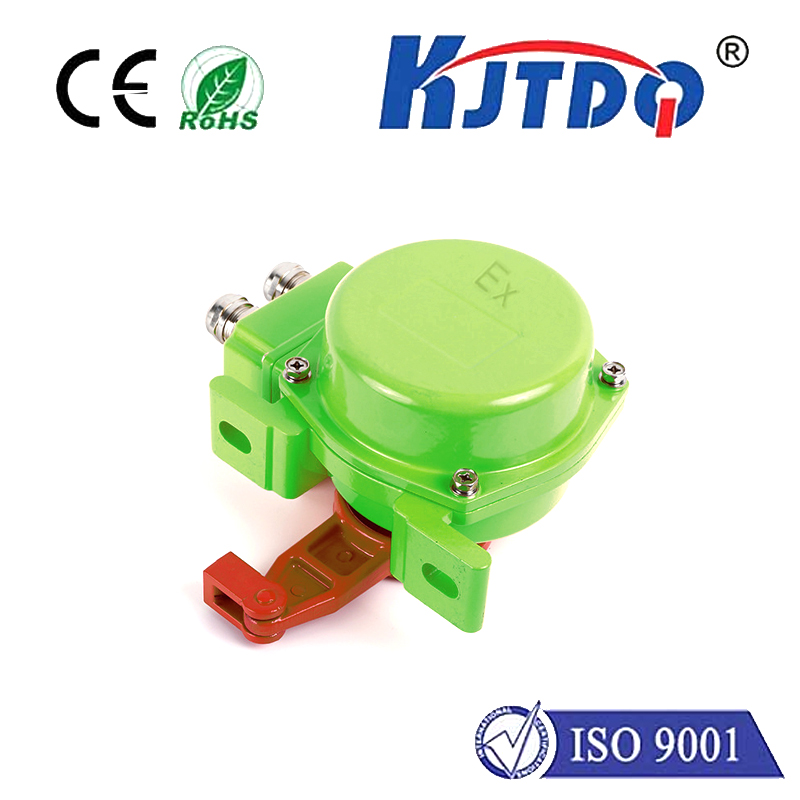
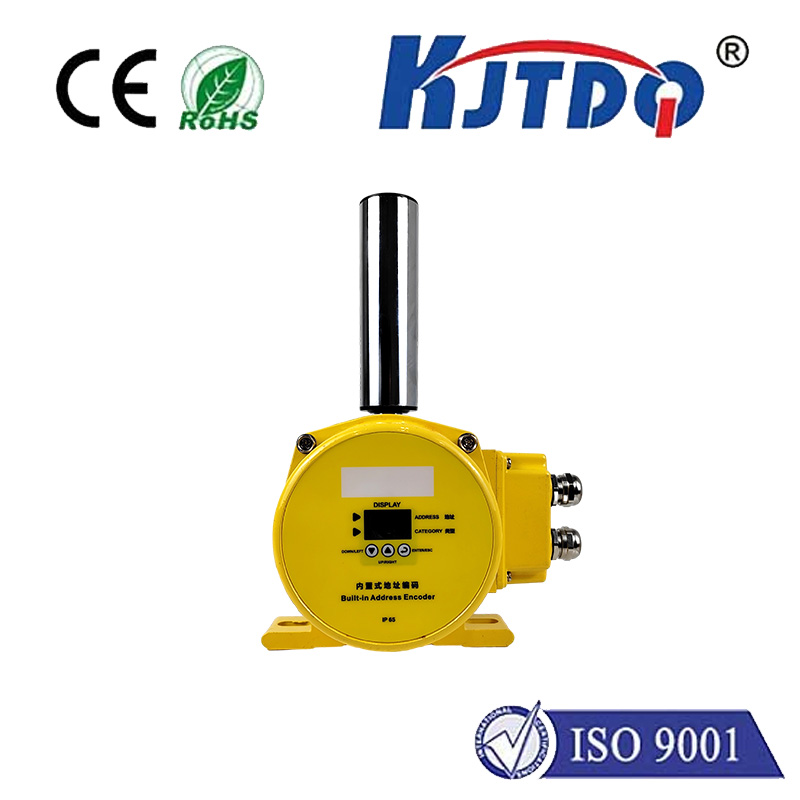
In the realm of industrial automation and machinery safety, the reliability of emergency stop mechanisms is paramount. The Z-15GW49-B pull cord switch stands as a critical component in this safety ecosystem, designed to provide a rapid and effective means of halting conveyor systems and other long-reach machinery in emergency situations. This device is engineered for durability and consistent performance in demanding environments, from mining and quarrying operations to manufacturing plants and bulk material handling facilities.
The fundamental operation of the Z-15GW49-B is elegantly simple yet robust. Installed along the length of a conveyor belt or similar equipment, it features a prominently accessible pull cord that runs parallel to the machinery. In the event of an emergency, such as a material spillage, equipment jam, or personnel endangerment, any operator along the line can instantly actuate the switch by pulling the cord. This action mechanically triggers the switch to break the electrical safety circuit, sending an immediate stop signal to the motor control center and bringing the entire system to a controlled halt. This "fail-safe" design ensures that a broken cord or a fault within the switch itself will also initiate a shutdown, prioritizing safety above all.
What distinguishes the Z-15GW49-B model are its specific construction features tailored for industrial resilience. Typically housed in a rugged, corrosion-resistant enclosure, it is built to withstand exposure to dust, moisture, vibration, and extreme temperatures. The internal switching mechanism is often a heavy-duty, precision snap-action type, providing a clear and reliable contact operation with high electrical ratings suitable for direct control circuit interfacing. Many variants include a manual reset function, requiring an operator to physically reset the switch at the location of the pull after the emergency has been resolved. This prevents unintended restarts and ensures the issue is addressed before operations recommence, a crucial step in lockout-tagout (LOTO) safety procedures.
Installation and maintenance are straightforward but require adherence to strict safety guidelines. The switches must be positioned at regular, easily accessible intervals along the machinery, as per regional safety standards like OSHA in the United States or the Machinery Directive in Europe. The pull cord should be installed at a recommended height and tension, allowing for smooth operation without excessive sagging. Regular testing is non-negotiable; operational checks should be performed frequently to verify the switch activates the stop command and that the cord moves freely without obstruction. Preventive maintenance involves inspecting the enclosure for integrity, checking cable glands for tightness, and ensuring the mechanical action remains crisp.
Beyond its primary emergency function, the integration of the Z-15GW49-B pull cord switch into a broader safety system amplifies its value. It can be connected to programmable logic controllers (PLCs) or safety relays to not only stop the machine but also trigger alarms, illuminate warning beacons, or send alerts to control rooms. This integration creates a comprehensive safety network, turning a local manual action into a system-wide emergency response.
For facility managers and safety engineers, selecting the right pull cord switch is a decision with significant implications for operational safety and regulatory compliance. The Z-15GW49-B series represents a category of devices where specifications such as IP (Ingress Protection) rating for dust and water resistance, contact configuration (normally open/closed), mechanical life expectancy, and voltage/current ratings must carefully match the application's environmental and electrical demands. Choosing a model with recognized certifications for your industry and region is essential.
In conclusion, the Z-15GW49-B pull cord switch is far more than a simple cable and a button. It is a vital, engineered safety interface between human operators and powerful machinery. Its presence along a production line embodies the principle of "safety within reach," empowering every worker to act decisively in a crisis. By ensuring the correct selection, proper installation, and rigorous maintenance of these devices, industries can safeguard their most valuable assets: their personnel and the continuity of their operations. Investing in reliable safety components like the Z-15GW49-B is not merely a regulatory expense but a fundamental cornerstone of responsible and sustainable industrial practice.