check

check

check

check

check

check
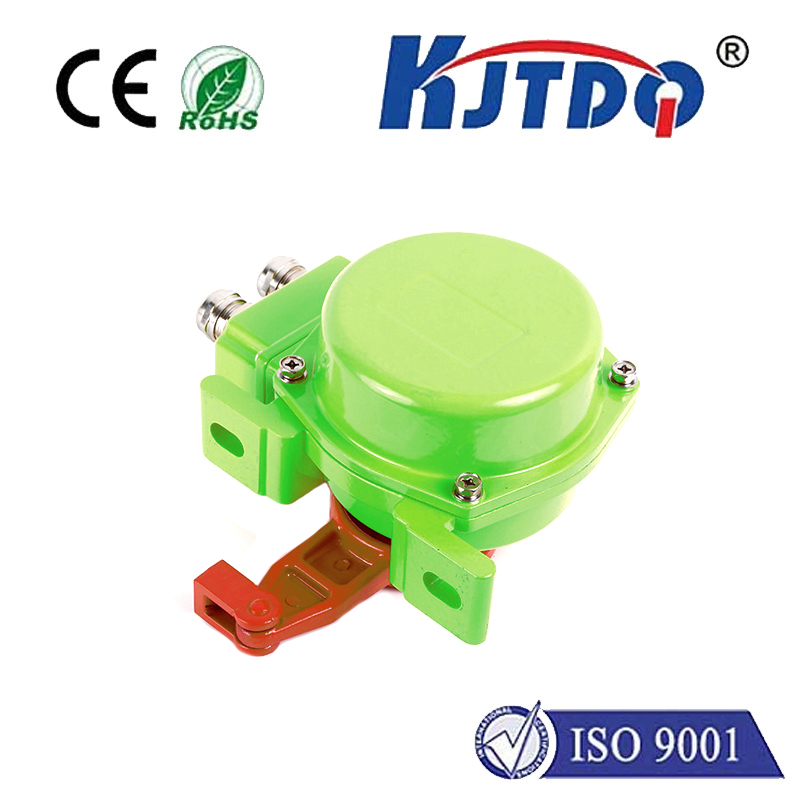
In the fast-paced world of industrial automation and machinery, safety and operational control are not just priorities; they are fundamental requirements. Among the myriad of components that ensure these standards are met, the humble yet critical pull cord switch plays an indispensable role. The WLCA2Pull Cord Switch stands out as a premier example of engineering designed for reliability, durability, and immediate response. This device is far more than a simple switch; it is a vital safety sentinel integrated into conveyor systems, assembly lines, and various material handling equipment.
The primary function of the WLCA2Pull Cord Switch is to provide an emergency stop mechanism. Strategically installed along the length of a conveyor belt or machinery line, it features a prominently accessible cord. In the event of an emergency, such as a material jam, equipment malfunction, or a personnel safety incident, any operator along the line can instantly halt the entire system by pulling this cord. This immediate cessation of operation is crucial for preventing equipment damage, minimizing product loss, and, most importantly, protecting human life. The "WLCA2" designation typically signifies a specific model built to rigorous international standards, offering features like a robust enclosure (often IP65 or higher for dust and water resistance), a highly visible actuator, and a reliable switching mechanism that ensures a positive break in the control circuit.
What sets a high-quality switch like the WLCA2 apart is its construction and operational integrity. Designed for harsh industrial environments, it resists vibration, moisture, and extreme temperatures. The internal mechanism is engineered for a long mechanical life, often exceeding millions of operations, and provides a clear, unambiguous signal to the machinery's programmable logic controller (PLC). This reliability ensures that the safety system cannot be easily bypassed or fail when needed most. Furthermore, modern versions come with dual-channel safety outputs, allowing for integration into higher-level safety circuits and control systems, enhancing overall plant safety architecture.
Installation and maintenance are straightforward but critical. The switch must be mounted at an appropriate height and interval as per safety regulations, ensuring the cord is taut and accessible along the entire hazardous zone. Regular testing, as part of a scheduled safety protocol, is mandatory to verify its operational readiness. A failure to test can lead to a false sense of security. The WLCA2 model often includes features for easy testing and resetting, minimizing downtime after an activation. After an emergency stop, the switch usually requires a manual reset at the location of the pull, forcing an on-site inspection to address the cause of the stoppage before operations can resume—a key practice for incident investigation and prevention.
Beyond emergency stops, the application of pull cord switches like the WLCA2 extends to normal operational control in some setups. They can be used for localized stop/start functions or as a means for line workers to signal a pause without triggering a full plant alarm. This versatility adds a layer of operational flexibility while maintaining the core safety principle. In industries ranging from mining and quarrying to packaging and logistics, the presence of these reliable switches is a non-negotiable aspect of compliance with occupational health and safety regulations worldwide, such as OSHA, CE, and others.
In conclusion, the WLCA2Pull Cord Switch exemplifies how a focused, well-designed component forms the backbone of industrial safety. It is a silent guardian on the factory floor, its value measured not in its constant activity, but in its guaranteed performance during a critical moment. For engineers, facility managers, and safety officers, selecting a certified, robust, and reliable model like the WLCA2 is an investment in operational continuity, regulatory compliance, and, ultimately, the well-being of every individual on site. It transforms a simple pull into a powerful command for safety, making it an essential element in the modern industrial landscape.