check

check

check

check

check

check
In the fast-paced world of industrial automation and material handling, operational efficiency is paramount. However, it should never come at the expense of worker safety. This is where the critical role of emergency stop devices comes into sharp focus. Among these, the pull cord switch stands as a fundamental and reliable safeguard. The ASLS2-1560 Pull Cord Switch emerges as a premier choice for engineers and safety managers seeking a robust, fail-safe mechanism to protect personnel and equipment along lengthy conveyor belts and similar machinery.
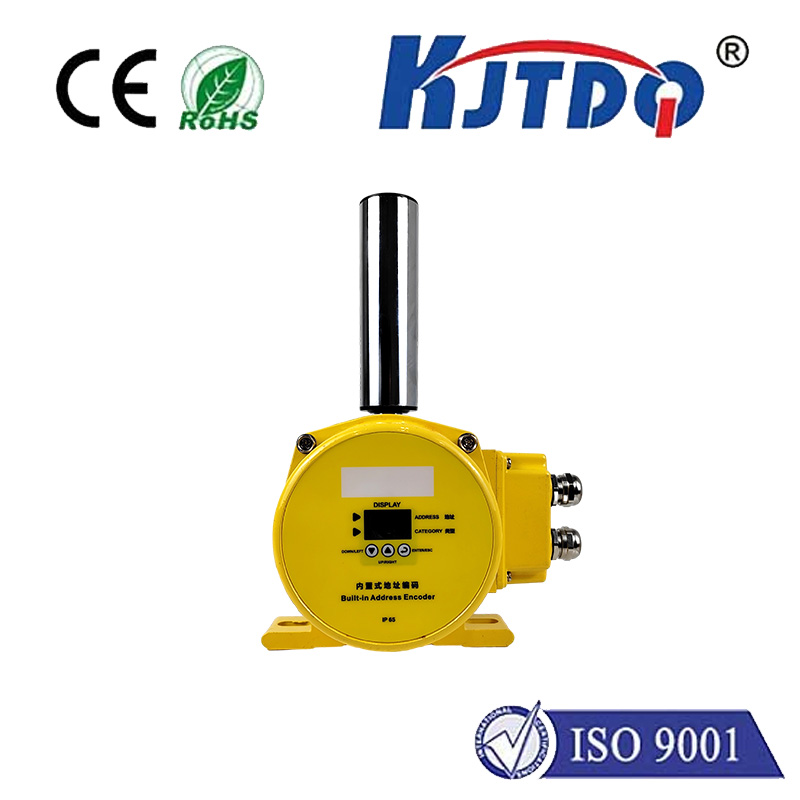
The core function of the ASLS2-1560 is elegantly simple yet vitally important. Installed at regular intervals along both sides of a conveyor system, it consists of a weather-resistant steel cable, or pull cord, that runs parallel to the conveyor. This cable is connected to a heavy-duty switch mechanism housed in a durable enclosure. In the event of an emergency—such as a worker becoming entangled, a material spill, or a mechanical failure—any person along the line can instantly halt the entire system by pulling the cord. This immediate action triggers the switch to cut power to the conveyor drive motor, bringing the potentially hazardous motion to a swift stop. This simple pull-action provides a crucial and accessible emergency response point over vast distances, far exceeding the reach of a single fixed emergency stop button.
What sets the ASLS2-1560 apart in the market is its exceptional build quality and thoughtful design features engineered for harsh industrial environments. The switch housing is typically constructed from high-grade, corrosion-resistant materials like aluminum or stainless steel, offering protection against dust, moisture, and physical impact. Internally, it employs a precision, heavy-duty switch with a high electrical rating, ensuring reliable operation even under significant load and frequent use. A key feature is its dual-action functionality. The switch is designed to activate whether the cord is pulled or if it snaps under tension, providing a fail-safe response. Furthermore, many models include a manual reset mechanism. After an emergency stop is initiated, the system cannot be restarted remotely; an operator must physically go to the switch location, assess the situation, and manually reset it. This prevents accidental or unsafe restarts and ensures the cause of the stop is addressed.
The applications for the ASLS2-1560 are extensive across numerous industries. It is indispensable in mining operations, where long overland conveyors transport bulk materials. In aggregate and cement plants, it protects workers around crushers and sorting lines. Ports and terminals rely on these switches for ship loaders and unloaders, while recycling facilities and packaging plants use them to safeguard complex sorting and distribution networks. Compliance with international safety standards is not just a benefit but a necessity. A high-quality pull cord switch like the ASLS2-1560 helps facilities meet stringent regulations such as ISO 13850 (Safety of machinery - Emergency stop function) and various regional machinery directives, demonstrating a commitment to creating a legally compliant and ethically sound workplace.
Implementing the ASLS2-1560 requires careful planning. The pull cord must be installed at a height that is easily accessible for all personnel, typically between 0.8 to 1.1 meters from the walkway surface. The spacing between switches is critical; they should be placed so that no point on the conveyor is more than a few steps away from a pull cord, ensuring rapid access in an emergency. Regular testing and maintenance are non-negotiable for sustained reliability. This involves scheduled functional tests to verify the switch activates and the conveyor stops, inspections for cord wear or damage, and ensuring the reset mechanism operates smoothly. A well-maintained pull cord switch system is a visible testament to a company's proactive safety culture.
Ultimately, the ASLS2-1560 Pull Cord Switch is more than just a component; it is a lifeline. It represents a direct and powerful link between human safety and machine control. In environments where moving machinery presents constant risks, providing workers with a simple, immediate, and effective means to stop operations is a fundamental responsibility. Investing in reliable, industrial-grade safety devices like the ASLS2-1560 minimizes the risk of serious injury, reduces costly equipment damage from cascading failures, and fosters a safer, more confident workforce. For any operation dependent on conveyor systems, integrating this fail-safe mechanism is not an optional upgrade but a cornerstone of responsible and sustainable industrial practice.