check

check

check

check

check

check
In the bustling environment of industrial manufacturing, mining, and material handling, conveyor belts are the lifelines that keep operations flowing. However, these powerful systems also present significant safety hazards. This is where the WLNJ-TH-NPull cord switch, often referred to as an emergency stop or rope pull switch, becomes an indispensable component. It serves as a critical safety device designed to immediately halt conveyor operation in the event of an emergency, protecting both personnel and equipment from potential harm.
The core function of the WLNJ-TH-NPull cord switch is straightforward yet vital. A pull cord, or rope, runs along the entire length of the conveyor, typically within easy reach of operators. In any emergency situation—such as a worker becoming entangled, a material spill, a fire, or equipment malfunction—any person can quickly pull this cord. This action mechanically activates the switch, sending an immediate stop signal to the conveyor's motor control circuit. This rapid response capability is crucial for preventing accidents from escalating into serious injuries or catastrophic equipment damage.
The design and construction of the WLNJ-TH-N series are tailored for the harsh realities of industrial settings. These switches are built with robust, durable housings, often from materials like die-cast aluminum or stainless steel, providing excellent resistance to impact, dust, moisture, and corrosion. This ensures reliable operation even in challenging environments such as coal mines, cement plants, grain elevators, or outdoor shipping terminals. Many models feature a highly visible, brightly colored pull rope and switch housing for easy identification during an emergency.
A key operational feature is the switch's latching mechanism. Once activated by pulling the cord, the switch remains in the "tripped" or "stop" position. It cannot be reset remotely or automatically. This deliberate design requires an operator to manually reset the switch at the exact location where it was activated. This forced local reset is a critical safety step. It ensures that personnel must physically inspect the area around the emergency stop point to identify and resolve the issue before operations can resume, preventing a restart while a hazard is still present.
Installation and maintenance are designed for practicality. The switch is typically mounted along the conveyor frame, and the pull cord is run through a series of guide brackets. Modern versions like the WLNJ-TH-N often come with dual contacts (normally open and normally closed), allowing for flexible integration into various control system safety circuits, including those requiring redundancy for higher Safety Integrity Levels (SIL). Regular testing, as simple as pulling the cord at different points to verify the conveyor stops, is a fundamental part of any plant's safety protocol.
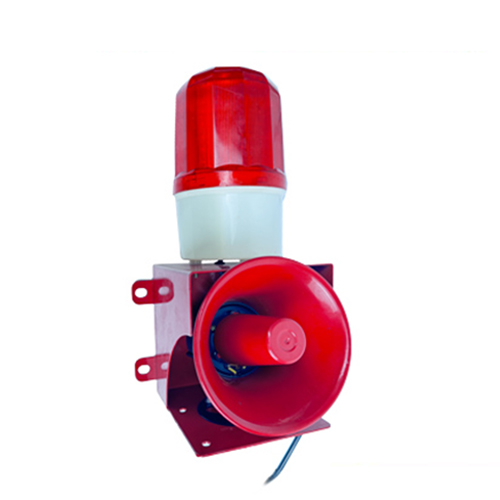
Beyond basic emergency stopping, advanced models offer additional functionalities. Some include a rotary action mechanism that allows the switch to be activated from any direction along the rope's length. Others may integrate alarm functions, such as a built-in buzzer or a signal lamp that activates when the cord is pulled, providing both an operational stop and an audible/visual alert to draw immediate attention to the incident location. This multi-sensory alert can be invaluable in noisy plants.
The implementation of reliable pull cord switches like the WLNJ-TH-N is not merely a best practice; it is often a strict regulatory requirement governed by occupational safety and health administrations and international standards worldwide. Compliance with standards such as ISO 13850 (Safety of machinery — Emergency stop function — Principles for design) or regional equivalents is non-negotiable for responsible operations. Investing in high-quality, certified safety devices demonstrates a company's commitment to its most valuable asset: its people.
In conclusion, the WLNJ-TH-NPull cord switch is far more than just a simple switch. It is a fundamental engineering safeguard, a proactive measure that places the power to stop danger directly into the hands of every worker along the conveyor line. Its robust design, fail-safe operation, and compliance-driven functionality make it an essential, non-negotiable element in designing and operating safe, efficient, and responsible material handling systems. Prioritizing such safety technology is the cornerstone of preventing workplace incidents and fostering a culture of safety-first operations.