check

check

check

check

check

check
In the world of industrial machinery, construction equipment, and even certain consumer appliances, safety and control are paramount. One component that stands as a silent guardian, ensuring operations can be halted instantly in an emergency, is the humble yet critical pull cord switch. Among the various options available, the WLNJ-THPull Cord Switch has emerged as a reliable choice for engineers and maintenance professionals seeking durability and fail-safe performance. This guide delves into the functionality, applications, and key benefits of integrating this specific safety device into your systems.
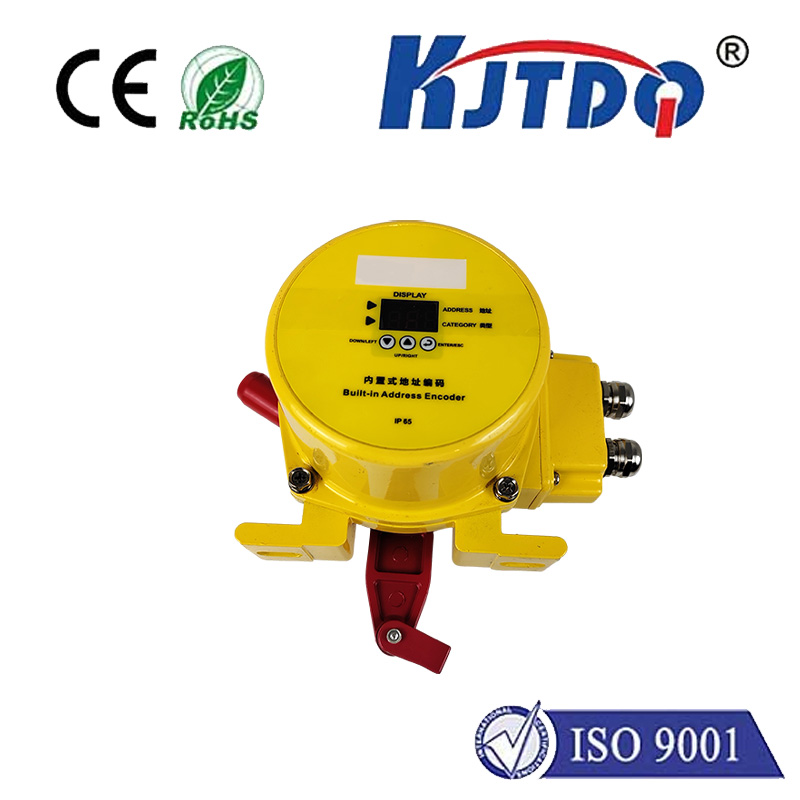
At its core, a pull cord switch, often called an emergency stop or rope pull switch, is a safety device designed to shut down machinery quickly by pulling a cable or cord that runs along the length of the equipment. The WLNJ-THPull Cord Switch operates on this fundamental principle but is engineered with specific features that enhance its reliability. Typically installed along conveyor belts, assembly lines, or large processing units, it allows an operator anywhere along the line to initiate an immediate stop if a hazardous condition is observed, such as a material jam, equipment malfunction, or a personnel safety issue. The "TH" designation often relates to its robust construction, potentially indicating features like a heavy-duty enclosure, enhanced ingress protection against dust and moisture, or a specific actuation mechanism suitable for demanding environments.
The primary advantage of the WLNJ-THPull Cord Switch lies in its straightforward, mechanical reliability. Unlike complex electronic systems that may require power or software to function, a well-designed pull cord switch like the WLNJ-TH model typically uses a direct mechanical action to break a circuit. When the cord is pulled, it directly actuates a switch inside the sealed housing, instantly cutting power to the motor drive or control circuit. This simplicity translates to fewer points of failure and ensures it works even in situations where other systems might be compromised. Maintenance is generally minimal, involving periodic checks to ensure the cord is taut, unobstructed, and the switch mechanism operates smoothly without sticking.
When considering applications, the versatility of the WLNJ-THPull Cord Switch becomes apparent. It is indispensable in bulk material handling industries, such as mining, agriculture, and packaging, where long conveyor systems are prevalent. In these settings, visibility can be limited, and having a continuous emergency stop within arm's reach is a non-negotiable safety standard. Furthermore, it finds use in theater stages for curtain control, in large industrial fans, and on automated warehouse retrieval systems. The specific build quality suggested by the WLNJ-TH model makes it suitable for both indoor and outdoor installations, resisting vibrations, temperature variations, and corrosive atmospheres better than standard units.
Selecting the right pull cord switch involves several considerations. The length of the cord must be appropriate for the machinery's span. The switch must have the correct electrical rating (voltage and current) for the control circuit it is interrupting. Enclosure ratings, such as IP65 or IP67, are crucial for determining its resistance to dust and water, which is where the "TH" features likely excel. Additionally, many models, including advanced versions of the WLNJ-TH, offer a latching mechanism. Once activated, the switch remains in the "stop" position until manually reset, preventing accidental restart before the hazard is cleared. Some also feature a dual-direction pull capability, allowing the cord to be activated by a pull from either side, and visual indicators like a bright flag that pops out to show which section of the line was activated.
Installation and regular testing are key to ensuring the WLNJ-THPull Cord Switch performs its life-saving function when needed. It should be mounted securely at a height accessible to all personnel. The pull cord must be installed with the correct tension—too loose, and it may not actuate properly; too tight, and it could cause premature wear or accidental triggering. A best practice is to implement a routine testing schedule where the switch is manually activated to confirm it successfully stops the connected machinery. This proactive approach not only verifies functionality but also familiarizes operators with its use.
In conclusion, while often overlooked in favor of more technologically advanced safety systems, the mechanical certainty of a pull cord switch like the WLNJ-TH model provides an irreplaceable layer of protection. Its design prioritizes immediate human intervention, empowering any operator to become the first responder in an emergency. For system integrators, plant managers, and safety officers, specifying a high-quality component such as the WLNJ-THPull Cord Switch is an investment in operational continuity, regulatory compliance, and, most importantly, workplace safety. It embodies the principle that the simplest solution is often the most reliable when it comes to preventing accidents and protecting both personnel and capital assets.