check

check

check

check

check

check
In the world of industrial automation, precision and reliability are non-negotiable. The York limit switch stands as a critical component in this ecosystem, designed to control machinery by defining the endpoints or limits of motion. These switches are engineered to detect the presence or absence of an object, ensuring that equipment operates within safe and specified parameters. From manufacturing assembly lines to heavy-duty cranes, York limit switches provide the essential feedback needed to prevent over-travel, collisions, and potential system failures.
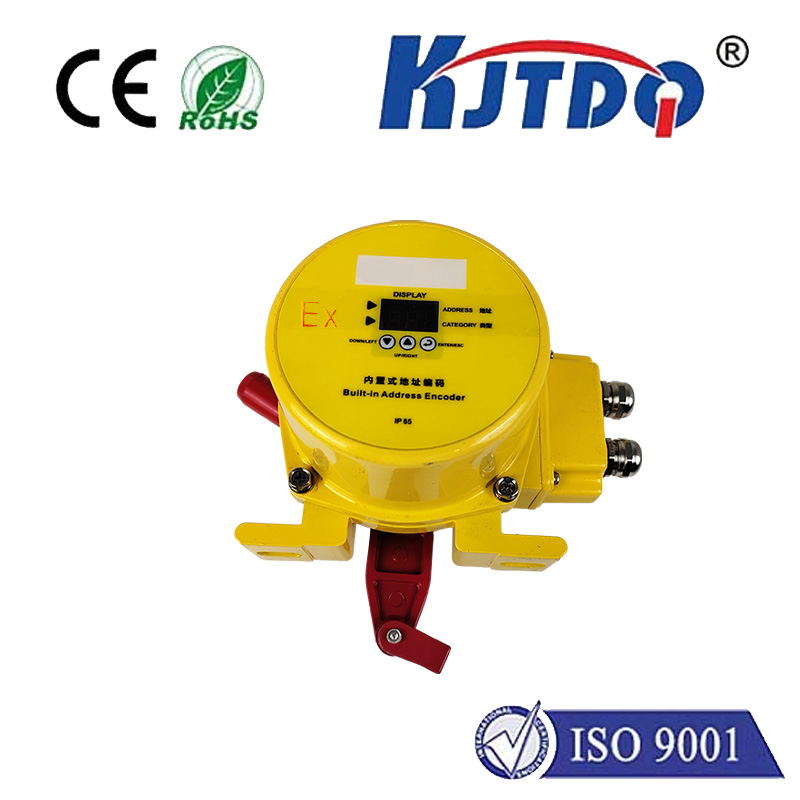
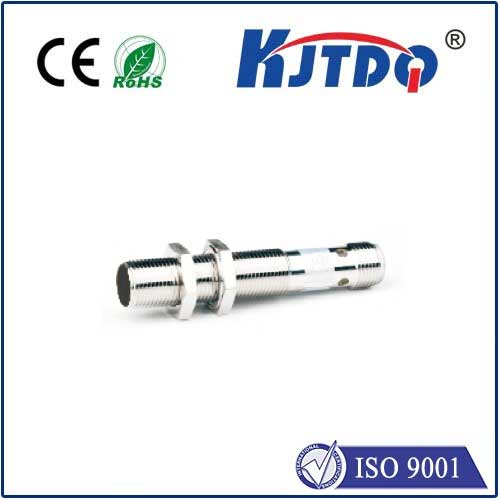
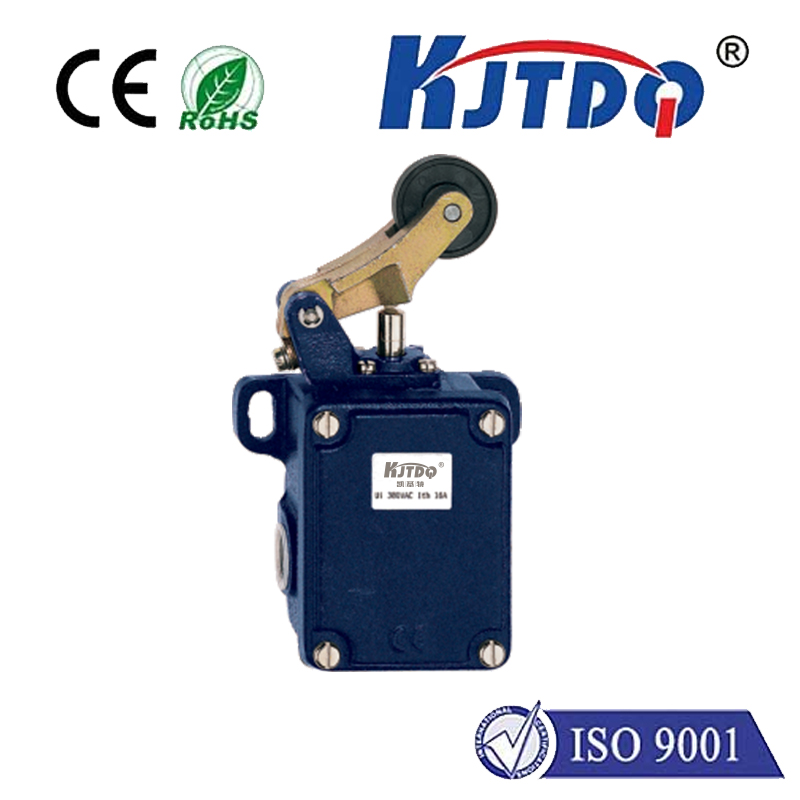
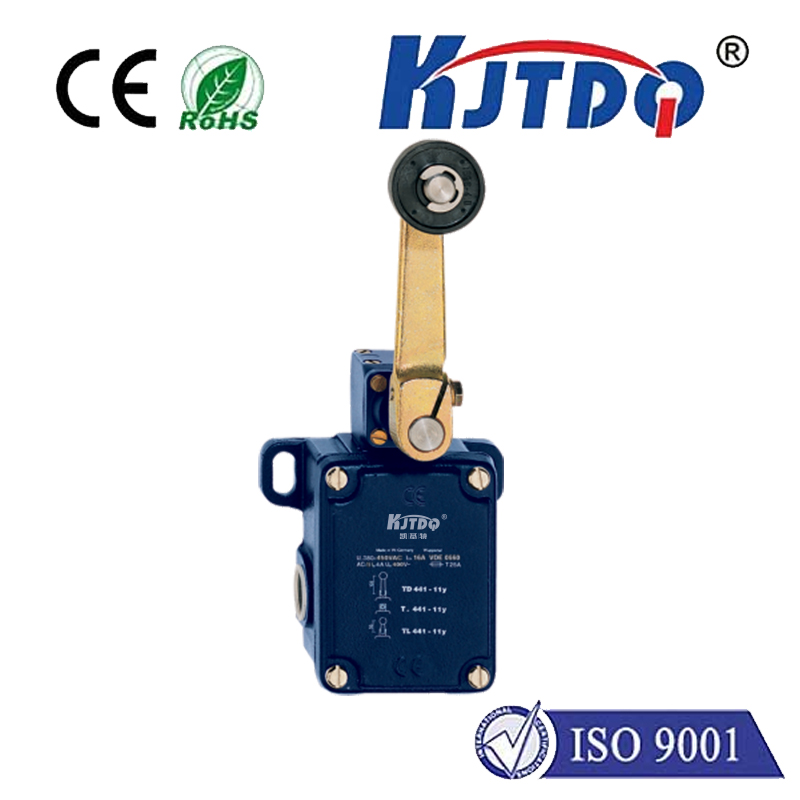
The core functionality of a York limit switch lies in its robust construction. Typically housed in a durable metal or high-grade plastic casing, these switches are built to withstand harsh industrial environments. They are resistant to dust, moisture, vibrations, and extreme temperatures, making them suitable for applications in sectors like automotive, packaging, material handling, and energy. The switch mechanism itself can be mechanical, employing a lever or roller actuator that physically makes or breaks an electrical circuit when triggered. Alternatively, more advanced models may incorporate proximity sensors for non-contact detection, enhancing longevity and reducing wear.
One of the key advantages of using a York limit switch is its simplicity and ease of integration. These devices are often plug-and-play, requiring minimal configuration to interface with control systems such as PLCs (Programmable Logic Controllers). This ease of use translates to reduced downtime during installation and maintenance, a crucial factor in high-throughput industrial settings. Moreover, York limit switches are known for their high repeatability, meaning they consistently activate at the same point every cycle, which is vital for processes demanding exact positioning, like robotic welding or conveyor belt sorting.
Safety is another paramount consideration. By accurately signaling when a machine part has reached its limit, these switches help implement emergency stop functions, safeguarding both personnel and equipment. In compliance with international standards like ISO and IEC, York limit switches contribute to creating safer workplaces, minimizing the risk of accidents caused by mechanical malfunctions. Regular inspection and testing are recommended to maintain their efficacy, but their durable design often ensures long service intervals.
In terms of selection, factors such as actuator type, electrical rating, ingress protection (IP) rating, and mounting options should be considered based on the specific application. For instance, a heavy machinery application might require a switch with a rugged lever actuator and high current capacity, while a cleanroom environment could benefit from a sealed, non-contact variant. York offers a range of models to cater to these diverse needs, emphasizing versatility without compromising on performance.
Looking ahead, the integration of smart technologies is shaping the future of limit switches. Some York models now feature diagnostic capabilities, allowing for predictive maintenance by monitoring operational data and alerting users to potential issues before they lead to breakdowns. This aligns with the broader trend of Industry 4.0, where interconnected devices enhance efficiency and reduce operational costs. Despite these advancements, the fundamental role of the York limit switch remains unchanged: to provide dependable, precise control at the heart of automated systems.
In conclusion, the York limit switch is more than just a simple component; it is a guardian of industrial processes. Its ability to ensure accurate positioning, enhance safety, and withstand demanding conditions makes it indispensable in modern automation. Whether in a factory, warehouse, or power plant, investing in high-quality limit switches like those from York translates to improved productivity, reduced risks, and sustained operational excellence. As industries continue to evolve, the reliability of such foundational elements will remain a cornerstone of successful automation strategies.