check

check

check

check

check

check
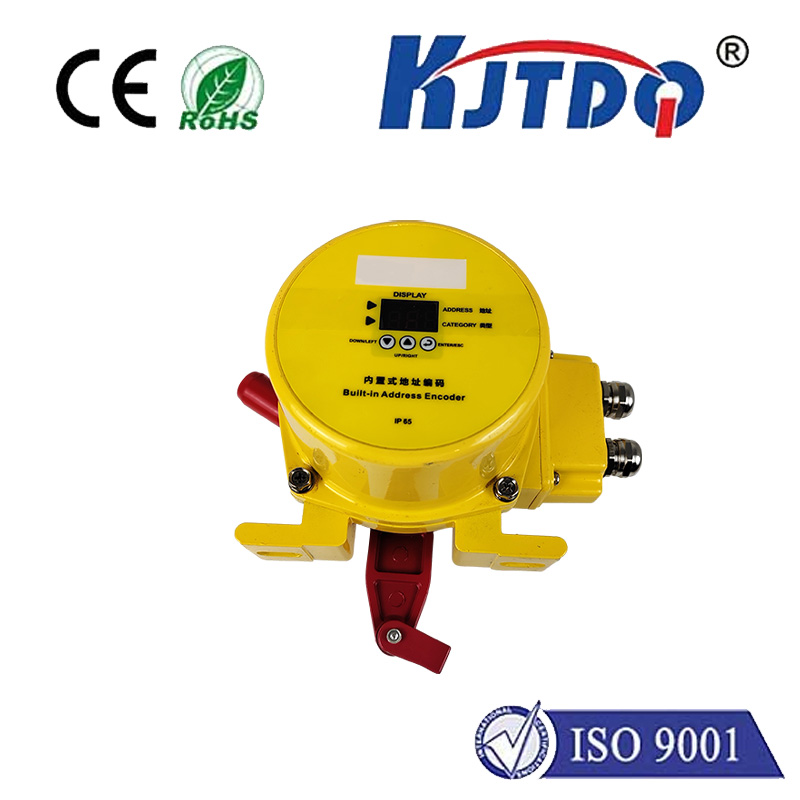
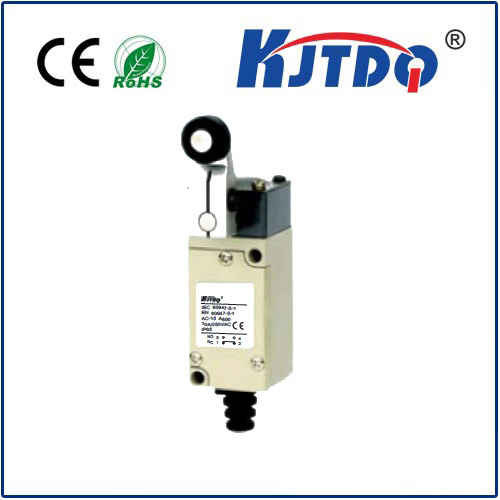
In industrial operations, the safety and efficiency of crane systems are paramount. The crane overload limit switch plays a critical role in preventing accidents and ensuring smooth workflow by monitoring load weights and automatically halting operations when limits are exceeded. This device is essential for protecting both equipment and personnel from the dangers of overloading, which can lead to structural failures, costly downtime, and severe injuries.
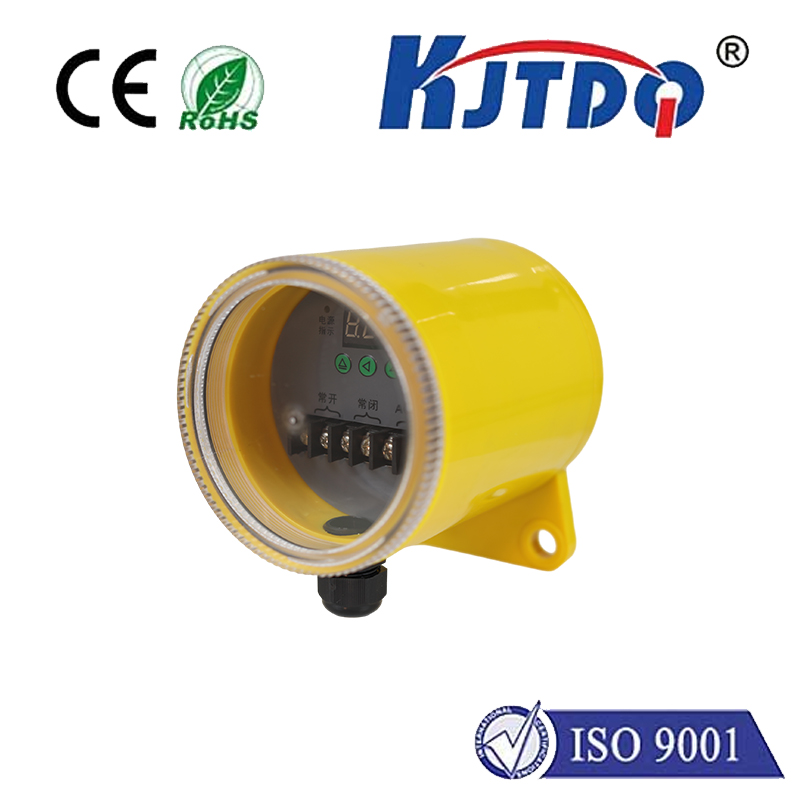
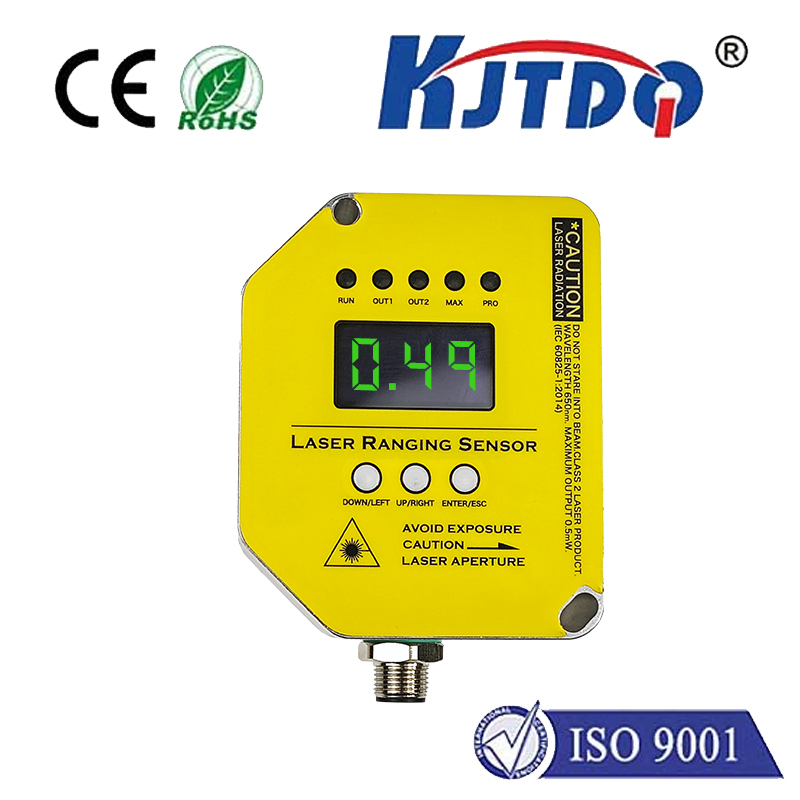
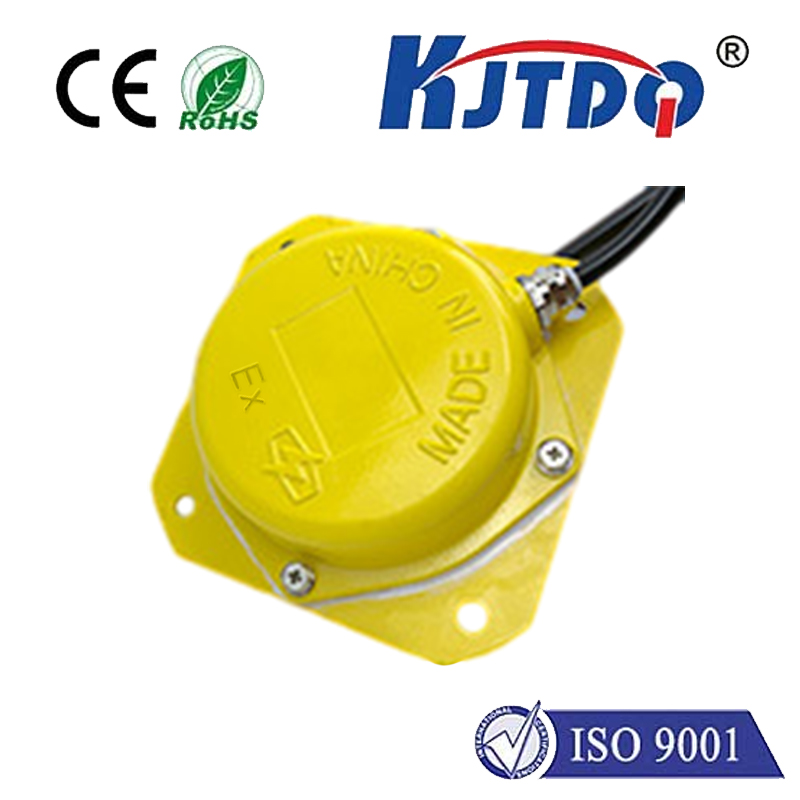
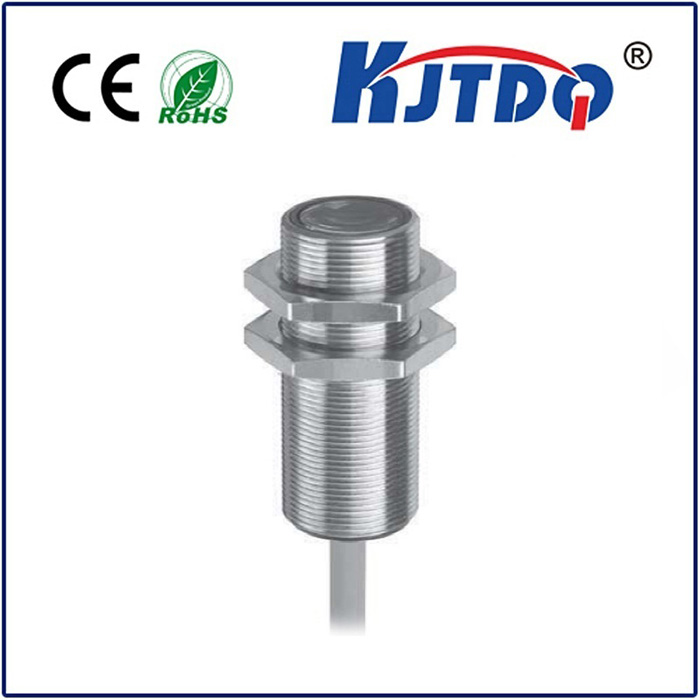
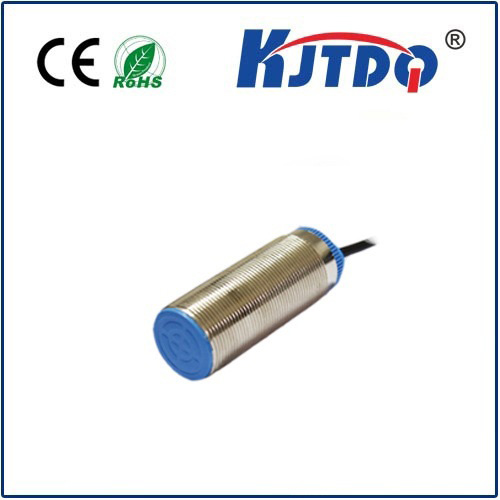
The KJTDQ crane overload limit switch stands out in the market due to its advanced features and reliable performance. Designed with precision engineering, it offers accurate load sensing and rapid response times. The switch integrates seamlessly with various crane models, providing real-time data and alerts to operators. Its robust construction ensures durability in harsh environments, such as construction sites, manufacturing plants, and shipping ports, where dust, moisture, and temperature fluctuations are common.
One key advantage of the KJTDQ switch is its user-friendly interface. Operators can easily set and adjust load limits based on specific requirements, enhancing flexibility across different tasks. The device also includes fail-safe mechanisms that trigger immediate shutdowns in case of malfunctions, adding an extra layer of security. Regular maintenance is straightforward, with clear indicators for calibration checks and component replacements, minimizing operational disruptions.
Beyond safety, the KJTDQ crane overload limit switch contributes to operational efficiency. By preventing overloading, it reduces wear and tear on crane components, extending equipment lifespan and lowering maintenance costs. This leads to increased productivity, as downtime from repairs or accidents is significantly reduced. Companies investing in such technology often see a quick return on investment through improved safety records and optimized workflows.
In today's competitive industrial landscape, compliance with safety regulations is non-negotiable. The KJTDQ switch helps businesses meet international standards, such as OSHA and ISO guidelines, by providing documented load data and audit trails. This not only avoids legal penalties but also builds trust with clients and stakeholders. Training programs for operators on using the switch effectively can further enhance its benefits, ensuring that teams are prepared to handle emergencies.
Looking ahead, innovations in crane overload limit switches continue to evolve. The KJTDQ model incorporates smart technology, allowing for remote monitoring and integration with IoT systems. This enables predictive maintenance, where potential issues are identified before they escalate, and data analytics to optimize load management. As industries adopt more automated processes, such advancements will become increasingly vital for sustainable operations.
In summary, the crane overload limit switch is a cornerstone of industrial safety, and the KJTDQ variant exemplifies excellence in this field. By prioritizing accuracy, durability, and ease of use, it supports both human welfare and business goals. Organizations seeking to upgrade their crane systems should consider this reliable solution to foster a safer, more efficient working environment.