check

check

check

check

check

check
In industrial automation, precision and reliability are non-negotiable. The Moeller limit switch stands as a cornerstone component in countless control systems worldwide, offering a robust solution for position detection and machine sequencing. Unlike standard switches, a limit switch is specifically designed to be actuated by the motion of a machine part or the presence of an object. It serves as a critical sentinel, providing a definitive electrical signal to a control system when a predetermined limit is reached, thereby initiating or halting a specific action. This fundamental function is vital for safety, process repeatability, and equipment protection across diverse sectors, from manufacturing and packaging to material handling and automotive assembly lines.
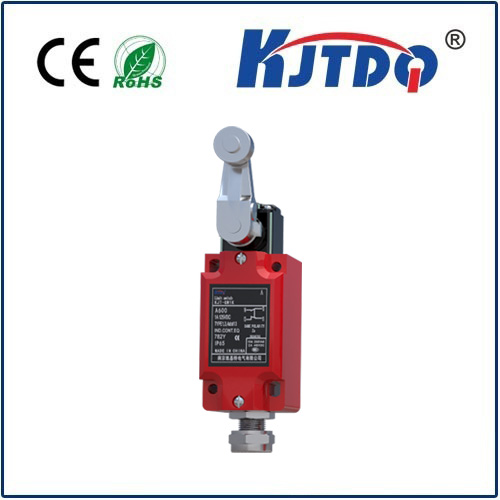
The engineering behind Moeller limit switches emphasizes durability and consistent performance in demanding environments. These devices are typically housed in rugged enclosures constructed from materials like die-cast zinc or high-grade thermoplastics, offering resistance to impact, vibration, and corrosive elements commonly found in factories. The heart of the switch is its precise switching mechanism—often available in various actuator types such as roller levers, plungers, or whiskers—which ensures accurate and repeatable operation over millions of cycles. This mechanical reliability translates directly into reduced machine downtime and lower maintenance costs, a key consideration for plant managers focused on operational efficiency.
When selecting a limit switch for an application, several technical specifications demand careful attention. Key parameters include the electrical rating (voltage and current capacity), the type of contacts (normally open, normally closed, or changeover), the mechanical life expectancy, and the Ingress Protection (IP) rating, which indicates its resilience against dust and water. Moeller's range typically offers high IP ratings, such as IP65 or IP67, making them suitable for washdown areas or outdoor installations. Furthermore, options for different operating heads and actuators allow for customization to fit unique spatial constraints and actuation methods, whether it's sensing the position of a conveyor belt, a robotic arm, or a garage door.
Integration into a broader control system is straightforward. The limit switch is wired into the control circuit, often interfacing with a programmable logic controller (PLC), relay, or motor starter. Its role is to provide a discrete on/off signal that forms the basis of logic for automated sequences. For instance, in a packaging machine, a limit switch might confirm that a product is correctly positioned before the sealing cycle begins, preventing jams and ensuring product quality. This simple yet effective feedback is indispensable for creating intelligent, fault-aware automation systems.
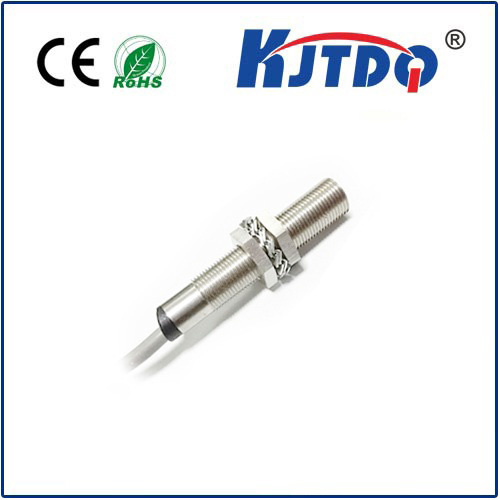
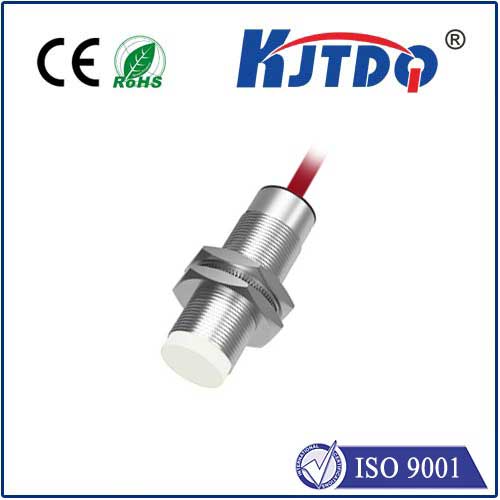
Beyond basic functionality, modern advancements have seen the integration of diagnostic features and connectivity options in some limit switch designs. While traditional mechanical switches remain prevalent due to their simplicity and cost-effectiveness, there is a growing synergy with proximity sensors and other non-contact sensing technologies. The choice between a mechanical limit switch and a sensor often boils down to the application's requirements for speed, environmental conditions, and required sensing distance. The tactile, positive actuation of a Moeller limit switch often provides an advantage in applications requiring physical confirmation of position or where environmental factors like dirt, steam, or magnetic interference could disrupt non-contact sensors.
Maintenance, though minimal, is crucial for long-term reliability. Regular inspection of the actuator arm for wear, checking the tightness of mounting hardware, and verifying electrical connections can prevent unexpected failures. The modular design of many Moeller switches facilitates easy replacement of components like the actuator head or contact block without replacing the entire unit, further enhancing lifecycle value.
In conclusion, the Moeller limit switch represents more than just a simple electrical component; it is a fundamental building block of safe and efficient industrial automation. Its proven mechanical design, environmental robustness, and application versatility make it a trusted choice for engineers and technicians. By providing a reliable physical interface between machine motion and control logic, these switches continue to play an essential role in optimizing processes, protecting expensive machinery, and ensuring the smooth flow of production in an increasingly automated world. Selecting the right limit switch, understanding its specifications, and implementing proper installation and maintenance practices are all critical steps in leveraging this technology for maximum operational benefit.