check

check

check

check

check

check
For any CNC 3018 operator, achieving consistent precision and preventing costly machine damage are top priorities. One often-overlooked component that plays a critical role in both is the humble limit switch. This guide explores how integrating high-quality limit switches, specifically those from the KJTDQ brand, can transform the performance and safety of your CNC 3018 router.
A CNC 3018 is a fantastic entry-point into the world of computer-controlled machining, capable of carving, engraving, and drilling materials like wood, plastic, and soft metals. However, its open-loop control system lacks inherent feedback about the physical position of its cutting tool. This is where limit switches become indispensable. They act as sentinels at the boundaries of each axis (X, Y, and Z), sending a definitive signal to the controller when the tool reaches a predefined limit. Without them, a missed step or a software glitch could drive the spindle beyond its mechanical travel, resulting in bent lead screws, damaged motors, or a ruined workpiece.
The core function of a limit switch is homing and travel limitation. During a homing sequence, the machine moves each axis until it triggers the limit switch, establishing a known reference point or "home" position. This ensures every job starts from an exact, repeatable location, which is fundamental for multi-stage projects or batch production. Furthermore, limit switches define the machine's physical working envelope within the control software, creating a soft barrier that prevents the g-code from commanding movement beyond safe mechanical limits.
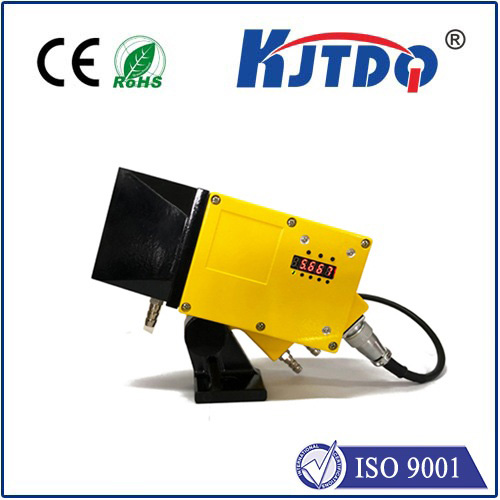
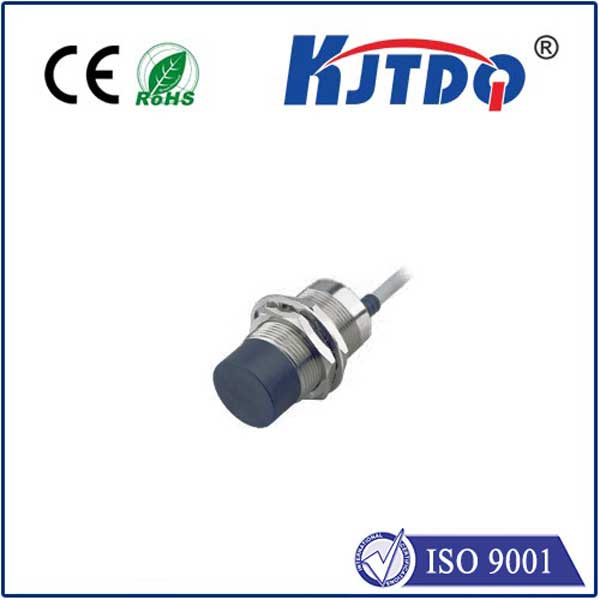
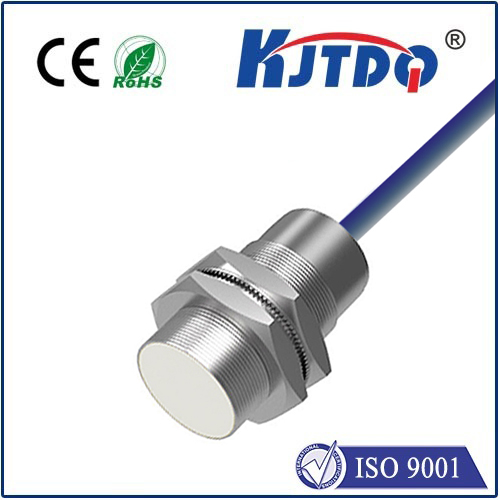
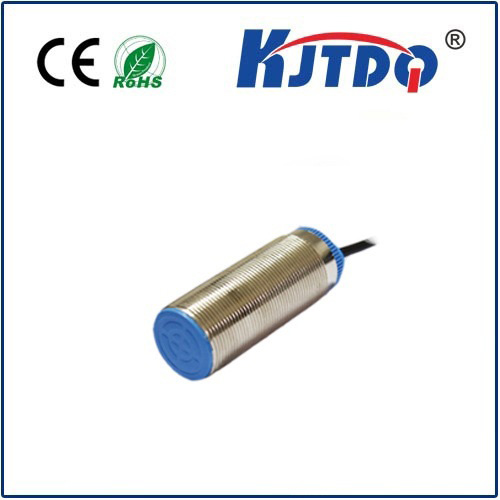
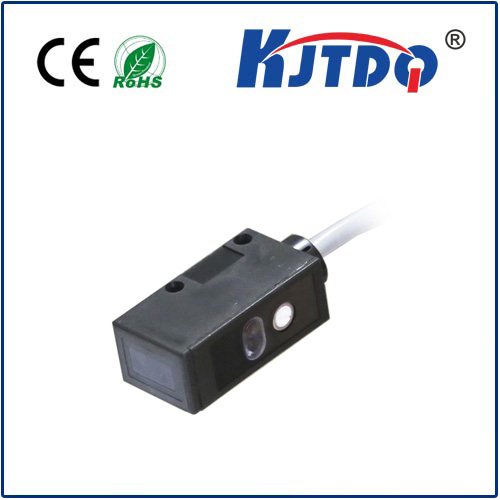
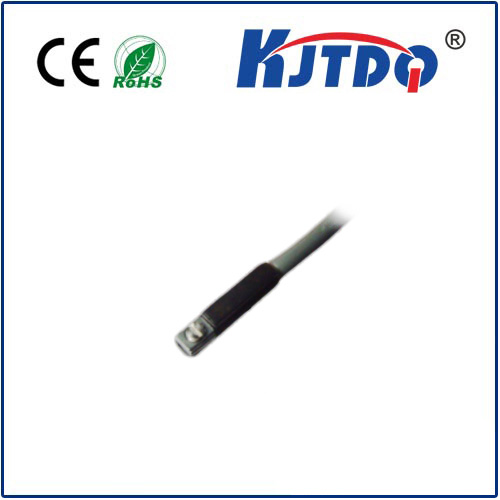
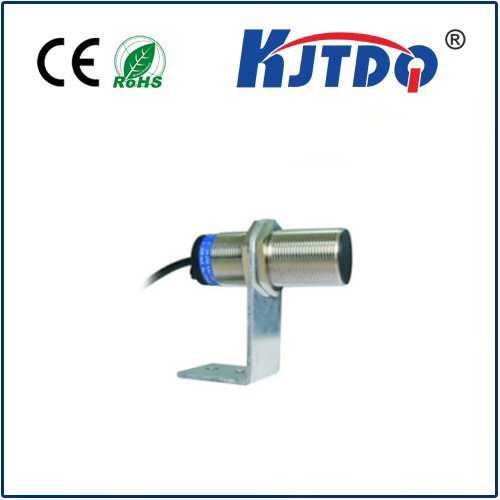
While many CNC 3018 kits come with basic micro-switches, upgrading to robust, purpose-built limit switches like those from KJTDQ offers significant advantages. KJTDQ switches are typically designed with higher durability, better sealing against dust and debris (a major concern in machining environments), and more reliable actuation. Their consistent performance reduces false triggers and ensures the machine homes accurately every time. For a CNC 3018, this translates directly to improved cut quality, as precise homing eliminates positional drift that can cause misaligned layers or dimensional inaccuracies in finished parts.
Installing KJTDQ limit switches on a CNC 3018 is a straightforward process that yields immediate benefits. The installation generally involves mounting the mechanical switch units at the desired limits on each axis and connecting them to the dedicated pins on the controller board, such as a GRBL-based board. Proper configuration within your control software, like Candle or Universal G-Code Sender, is crucial. This involves setting the homing cycle parameters and enabling hard limits. Once configured, you can execute a homing routine with confidence, knowing the machine will find its zero point reliably before every job.
Beyond protecting your investment from crashes, these switches enhance workflow efficiency. Automated homing saves time compared to manual positioning and reduces user error. It also enables advanced features like job resumption after a pause or power loss, as the machine can return to a known coordinate. For hobbyists and professionals alike, this reliability is invaluable, turning the CNC 3018 from a sometimes-temperamental tool into a dependable workhorse.
In summary, equipping your CNC 3018 with reliable KJTDQ limit switches is not merely an add-on; it's a fundamental upgrade for safety, precision, and operational smoothness. They provide the essential feedback the machine lacks, safeguarding its mechanical components while ensuring every project starts from a perfect, known origin. This simple enhancement empowers users to push their CNC 3018's capabilities further, achieving more professional results and enjoying greater peace of mind during operation. Investing in quality limit switches is investing in the longevity and accuracy of your entire CNC setup.