check

check

check

check

check

check
In modern industrial and commercial environments, precise airflow management is critical for operational efficiency, safety, and cost control. The integration of a combination fan with a limit control system represents a sophisticated solution that addresses these needs comprehensively. This guide explores the core principles, applications, and benefits of this technology, providing a clear understanding of its role in various settings.
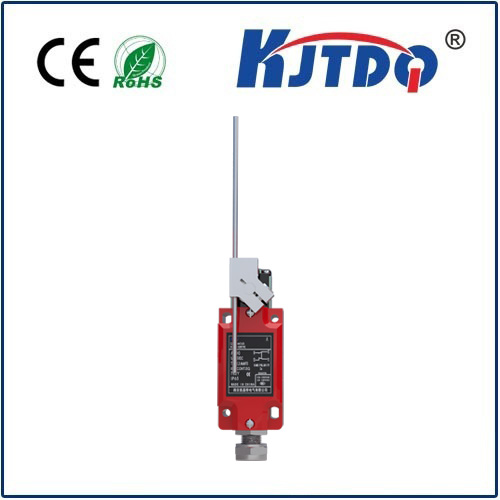
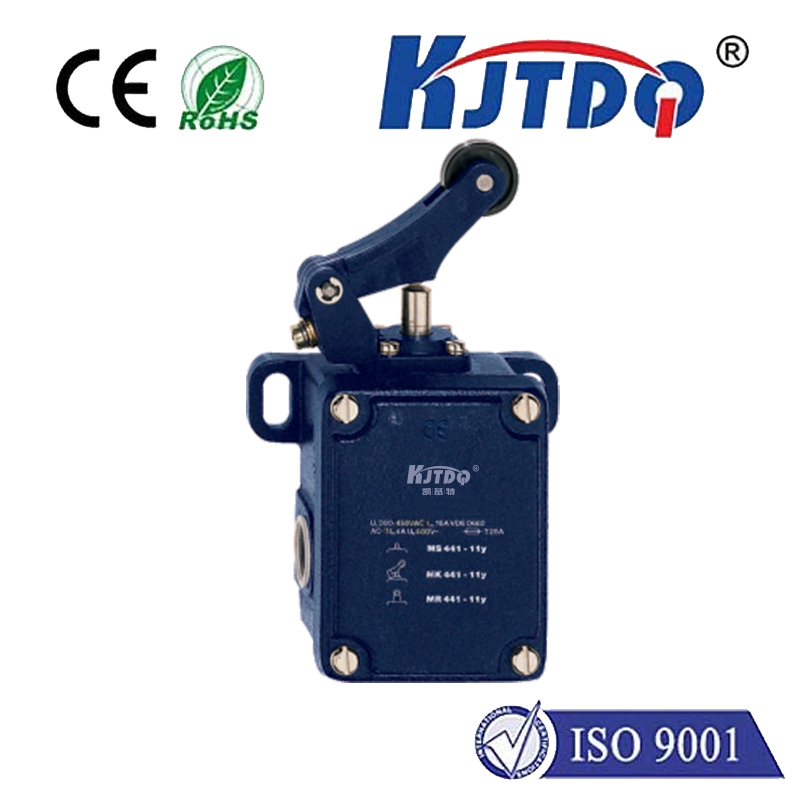
A combination fan system typically involves multiple fans or fan stages working in tandem to deliver required airflow or pressure. This design allows for flexibility, as the system can operate at partial capacity using fewer fans or ramp up to full capacity when demand increases. The key to optimizing this operation lies in the limit control component. A limit control, often in the form of a switch or sensor, monitors critical parameters such as temperature, pressure, or current. Its primary function is to set safe operational boundaries. For instance, in a heating, ventilation, and air conditioning (HVAC) system, a high-limit control might shut off a fan heater if the temperature exceeds a predetermined safe level, preventing overheating and potential fire hazards. Similarly, in industrial exhaust systems, a pressure limit control can modulate fan speed to maintain optimal static pressure, ensuring effective fume extraction without overworking the equipment.
The synergy between the fan assembly and the limit control creates a responsive and intelligent system. Consider a large data center where server racks generate immense heat. A combination fan wall, controlled by temperature sensors (limit controls), can dynamically adjust cooling output. When server load is low, only a few fans run at reduced speed, conserving energy. As heat output rises, additional fans activate or speeds increase precisely to match the cooling demand, all within safe temperature limits set by the controls. This prevents both inadequate cooling and energy waste from excessive fan operation.
Beyond HVAC and data centers, applications are vast. In commercial kitchens, combination exhaust hoods use multiple fans to remove smoke and grease-laden air. Limit controls here monitor filter pressure drop; when filters become clogged, increasing resistance, the control may trigger an alarm or boost fan power to maintain airflow, all while preventing motor overload. In manufacturing, processes like drying or painting booths require consistent air velocity. A combination fan with velocity or pressure limit controls ensures the environment remains stable, directly impacting product quality and worker safety.
The benefits of implementing a well-designed combination fan and limit control system are substantial. First and foremost is enhanced energy efficiency. By matching output exactly to demand and avoiding constant full-blast operation, these systems significantly reduce electricity consumption. Secondly, they improve equipment longevity. Limit controls protect fans and motors from conditions that cause stress and wear, such as overheating, under-voltage, or excessive mechanical load. This leads to fewer breakdowns and lower maintenance costs. Thirdly, safety is paramount. Automatic shutdowns or adjustments in response to dangerous conditions mitigate risks of fire, equipment damage, or failure of critical environmental controls. Finally, such systems contribute to process consistency and automation, reducing the need for manual intervention and monitoring.
When selecting and installing these systems, several factors require attention. The choice of limit control—whether based on temperature, pressure, current, or airflow—must align with the primary risk or control parameter of the application. Proper calibration of setpoints is crucial; they must be stringent enough for safety but not so sensitive as to cause nuisance tripping. Integration with building management systems (BMS) or programmable logic controllers (PLC) can unlock higher levels of automation and data logging for predictive maintenance. Regular testing and maintenance of both the fans and the limit controls are essential to ensure they function reliably when needed.
In conclusion, the marriage of combination fan technology with precise limit control is more than just an equipment specification; it is a strategy for intelligent airflow management. It empowers facilities to achieve precise environmental control, realize significant operational savings, and uphold the highest standards of safety and reliability. As industries continue to focus on sustainability and smart automation, the role of these integrated systems will only become more central to efficient and responsible operations.