check

check

check

check

check

check
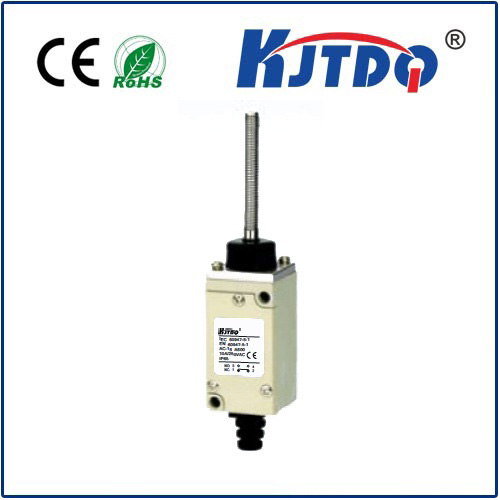
In the world of industrial automation and machinery control, precision and reliability are non-negotiable. The 36T0183 limit switch stands as a cornerstone component in countless systems, ensuring operations halt or initiate at exact, predetermined points. This device is far more than a simple mechanical stop; it is a critical safety and control element that prevents over-travel, manages sequencing, and protects expensive equipment from damage. Its design and functionality embody the engineering excellence required for modern manufacturing, packaging, material handling, and robotic applications.
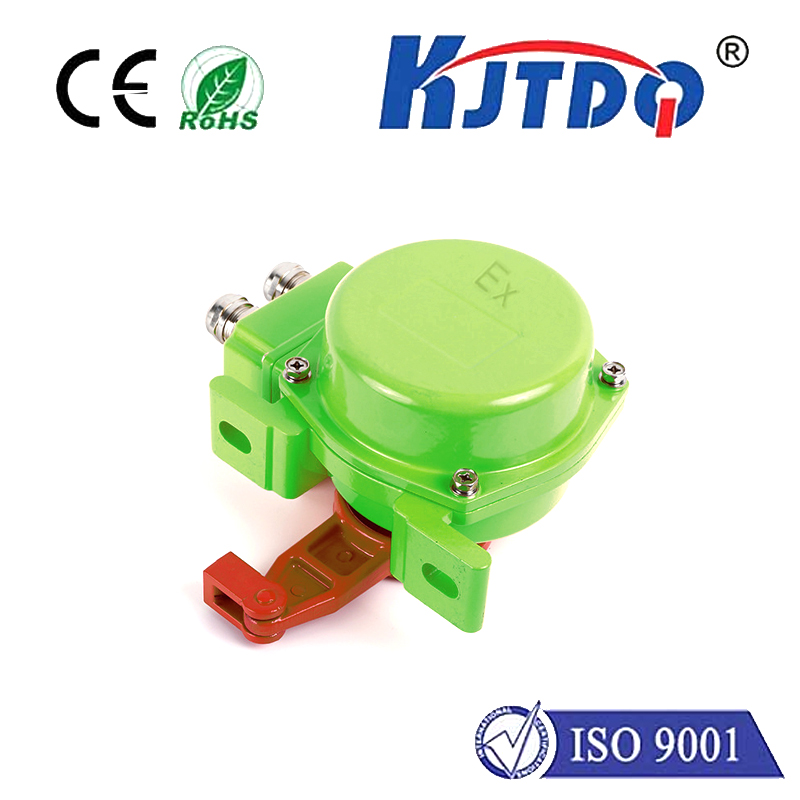
The core principle of a limit switch like the 36T0183 is elegantly straightforward. It consists of an actuator mechanism—often a lever, roller, or plunger—physically linked to a set of electrical contacts. When a moving machine part or object makes contact with the actuator, it triggers the internal mechanism to change the state of these contacts. This action either opens or closes an electrical circuit, sending a definitive signal to the machine's control system, such as a Programmable Logic Controller (PLC). This signal is the fundamental command that tells a motor to stop, a process to begin, or a direction to change. The reliability of this physical actuation and electrical switching is what makes the 36T0183 indispensable.
What sets the 36T0183 model apart in a crowded market of industrial components? The answer lies in its robust construction and versatile design. Engineered for durability, it typically features a heavy-duty metal or high-strength polymer housing that provides exceptional resistance to environmental challenges. This includes protection against ingress of dust, oil, and coolants, often meeting specific Ingress Protection (IP) ratings. The internal switching elements are designed for millions of cycles, offering long-term reliability that minimizes downtime and maintenance costs. Furthermore, the 36T0183 often comes with various actuator head options and terminal configurations, allowing engineers to select the perfect variant for their specific spatial and functional requirements, whether it's for detecting the position of a conveyor belt, the end-of-travel of a linear actuator, or the open/closed status of a safety guard.
Integration into complex control systems is seamless. The 36T0183 limit switch provides a clear, binary signal that is easily interpreted by modern PLCs and other control units. This simplicity in interface belies its importance; it is the primary sensory input for positional feedback in automated sequences. In a bottling plant, for instance, these switches ensure bottles are correctly positioned for filling and capping. In automated storage and retrieval systems, they confirm the precise location of shuttles and lifts. Their role in safety interlocking is equally critical, ensuring that access doors to hazardous areas are securely closed before machinery can operate, thereby protecting personnel.
Selecting the right limit switch is a decision that impacts overall system performance. When considering the 36T0183 or similar models, key operational parameters must be evaluated. The mechanical life expectancy, electrical rating (voltage and current for the contacts), operating temperature range, and the required actuator force are all crucial factors. The physical size and mounting style must also align with the machine's design. Proper installation is equally vital; the switch must be securely mounted and precisely aligned to ensure the actuator is engaged at the correct moment. Even the most robust switch will fail prematurely if subjected to excessive force, misalignment, or an environment beyond its specified ratings.
Beyond basic functionality, the evolution of limit switches continues. While the fundamental 36T0183 design remains a workhorse, advancements include models with solid-state outputs for even faster switching and longer life, or those with built-in diagnostics via LED indicators. The principle, however, remains unchanged: providing a dependable, physical interface between the mechanical world of machine movement and the electronic world of control logic. In an era of sophisticated sensors, the electromechanical limit switch retains its prime position due to its simplicity, cost-effectiveness, and proven reliability in harsh conditions.
For maintenance teams and plant engineers, understanding the function and maintenance of these components is essential. Regular inspection of the 36T0183 limit switch for physical damage, wear on the actuator arm, and secure wiring connections can prevent unexpected failures. Listening for unusual sounds during actuation or monitoring for inconsistent machine behavior can be early indicators of switch wear. Keeping a stock of critical spares, like the 36T0183, ensures that production can resume quickly in the event of a failure, highlighting its role not just as a component, but as a vital part of operational continuity planning.