check

check

check

check

check

check
In industrial automation and machinery control, safety remains the paramount concern. Among the myriad components designed to prevent accidents and equipment damage, the limit safety switch plays a critical role. Specifically, the L200F model has established itself as a reliable sentinel in various applications. This article delves into the functionality, applications, and key benefits of the L200F limit safety switch, providing a comprehensive overview for engineers and system integrators.
A limit safety switch is an electromechanical device that detects the presence or absence of an object, or monitors the position of a machine part. It is typically activated by physical contact or proximity. The primary function is to interrupt a circuit or send a signal to a control system when a predetermined limit is reached, thereby halting or altering the operation of a machine to prevent over-travel, jamming, or hazardous conditions. The L200F is a robust example within this category, designed for durability and precision in demanding environments.
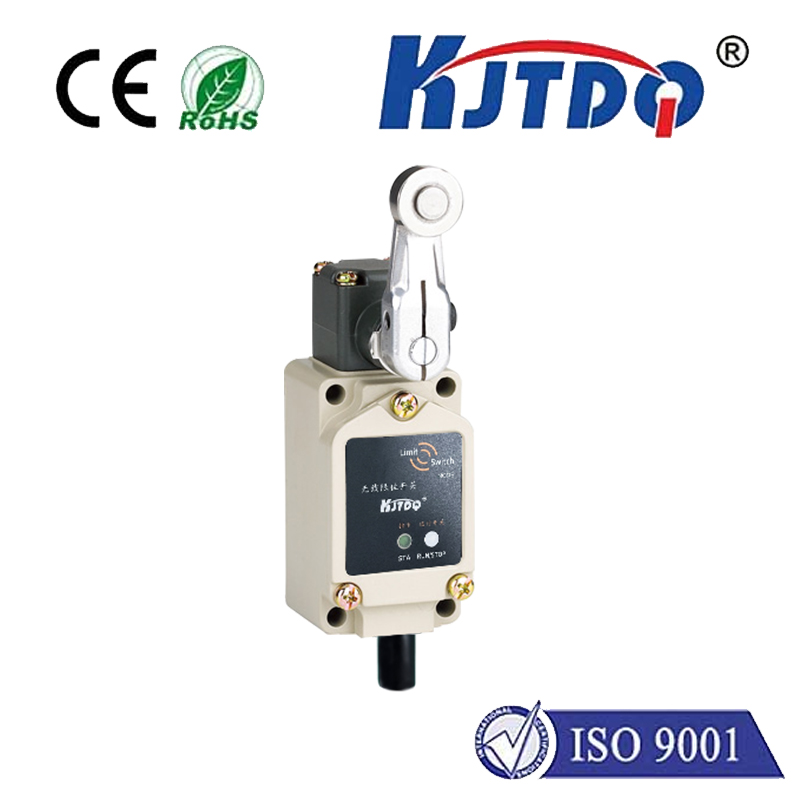
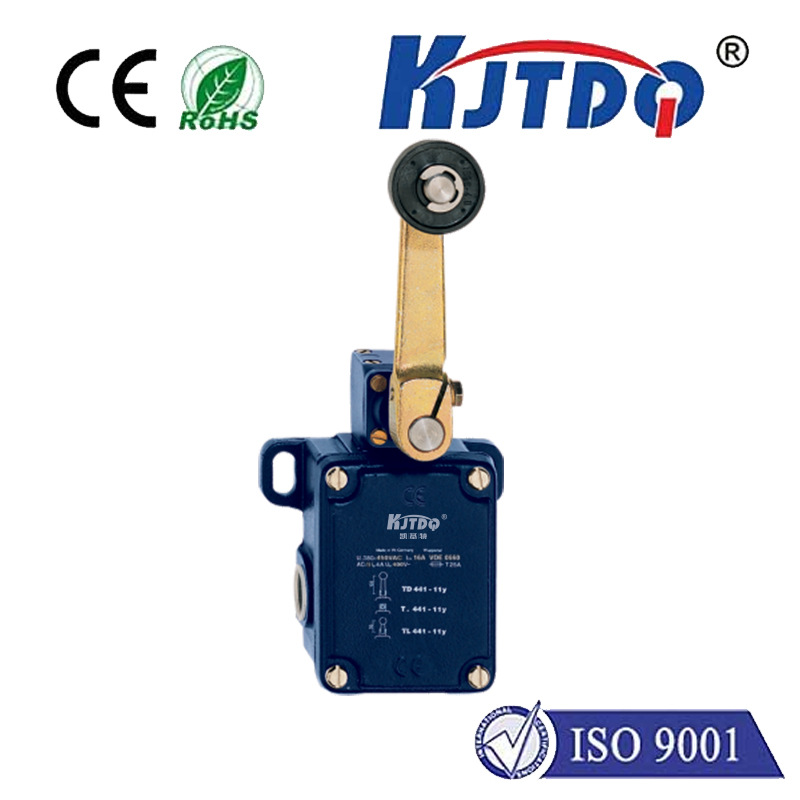
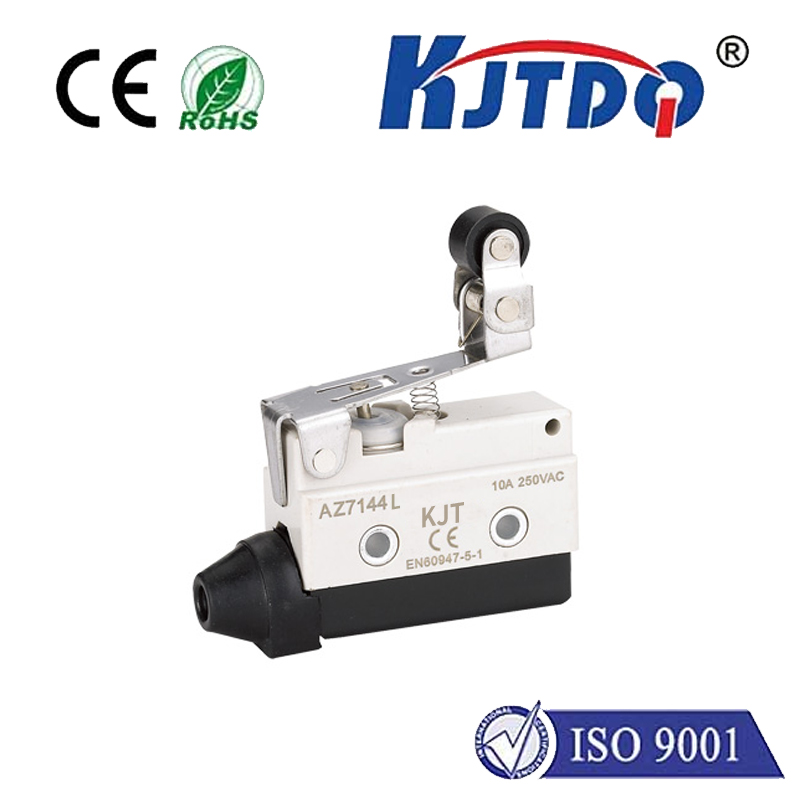
The construction of the L200F limit switch often features a heavy-duty housing, typically made from metal or high-grade industrial plastic, offering resistance to impact, vibration, and environmental contaminants like dust, oil, and moisture. This makes it suitable for use in manufacturing plants, packaging lines, material handling systems, and automotive assembly. Its actuator type—which could be a roller lever, plunger, or whisker—can be selected based on the specific mechanical motion it needs to detect. The internal switching mechanism is engineered for high repeatability and a long mechanical life, ensuring consistent performance over millions of cycles.
One of the core advantages of implementing the L200F safety switch is its contribution to operational safety. By reliably detecting the end of a safe travel path for a moving part, it prevents collisions and potential injuries to personnel. For instance, on a robotic arm or a conveyor system, the L200F can be positioned to signal the controller when the arm reaches its extreme position or when a gate is securely closed, ensuring the system only operates within its designed parameters. This not only protects the machinery from damage due to mechanical overstress but also forms a fundamental part of the machine's safety interlock system.
Beyond safety, the L200F enhances overall system reliability and reduces downtime. Unexpected machine failures due to positional errors can be costly. The precise actuation of the L200F provides accurate feedback to the Programmable Logic Controller (PLC) or other control units, enabling smooth and automated sequences. Its straightforward installation and adjustment also simplify maintenance procedures. Technicians can easily set or modify the actuation point without extensive recalibration of the entire system.
When integrating the L200F limit switch, several practical considerations are essential. Correct mounting is crucial to ensure the actuator engages reliably with the target machine part. The alignment, operating force, and overtravel must be calculated according to the manufacturer's specifications. Electrical compatibility is another key factor; the switch's contact ratings (voltage and current) must match the control circuit requirements. Furthermore, for applications in harsh environments, verifying the Ingress Protection (IP) rating of the L200F model is necessary to guarantee its resilience against specific conditions like water jets or corrosive agents.
In modern interconnected industries, the role of such components is evolving. While the L200F is a stalwart in basic safety and position detection, its integration into broader Industrial Internet of Things (IIoT) frameworks is becoming more common. The binary signal from the switch can be a critical data point for monitoring machine health and predicting maintenance needs, contributing to smarter, more efficient factory operations.
In conclusion, the L200F limit safety switch is more than just a simple component; it is a fundamental safeguard for both equipment and personnel. Its robust design, reliable operation, and versatility make it an indispensable part of countless industrial control systems. By understanding its operation and properly applying it within a machine's design, engineers can significantly enhance system safety, improve reliability, and ensure uninterrupted productivity. As automation advances, the principles of reliable limit detection embodied by switches like the L200F will continue to be a cornerstone of safe industrial practice.