check

check

check

check

check

check
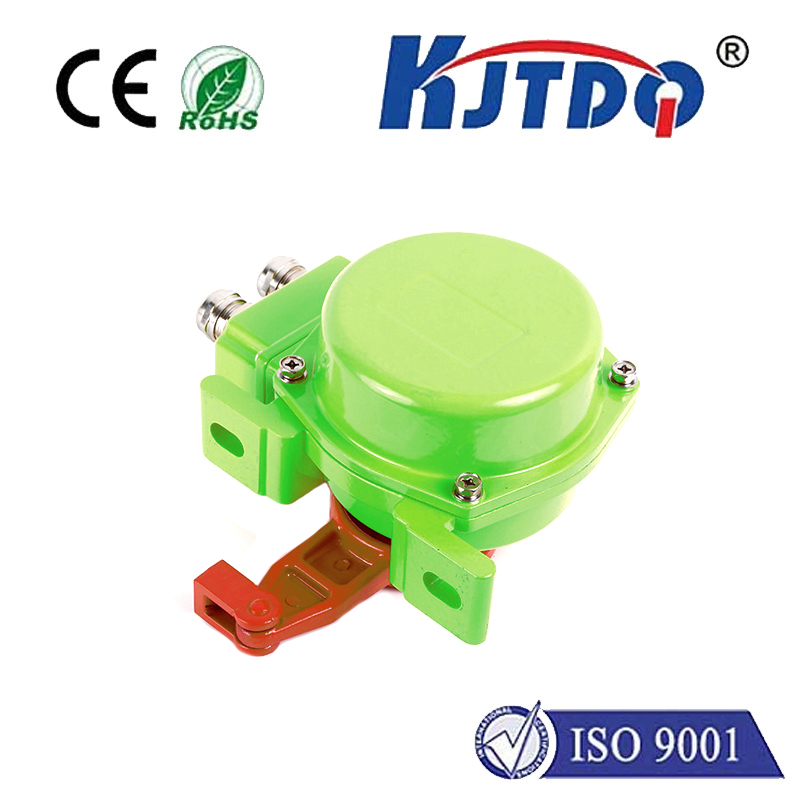
In industrial settings where overhead cranes are pivotal for material handling, the integration of reliable safety mechanisms is non-negotiable. Among these, the EOT crane limit switch stands out as a critical component, ensuring operational precision and preventing hazardous incidents. KJTDQ, a trusted name in industrial automation, offers advanced limit switches designed specifically for electric overhead traveling cranes, addressing the unique challenges faced in warehouses, manufacturing plants, and construction sites.
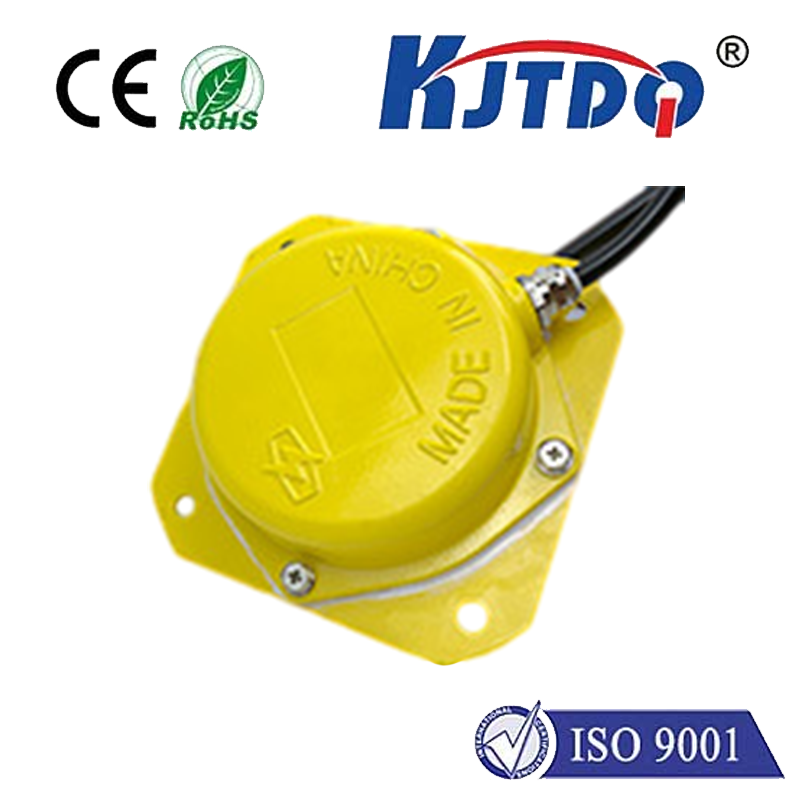
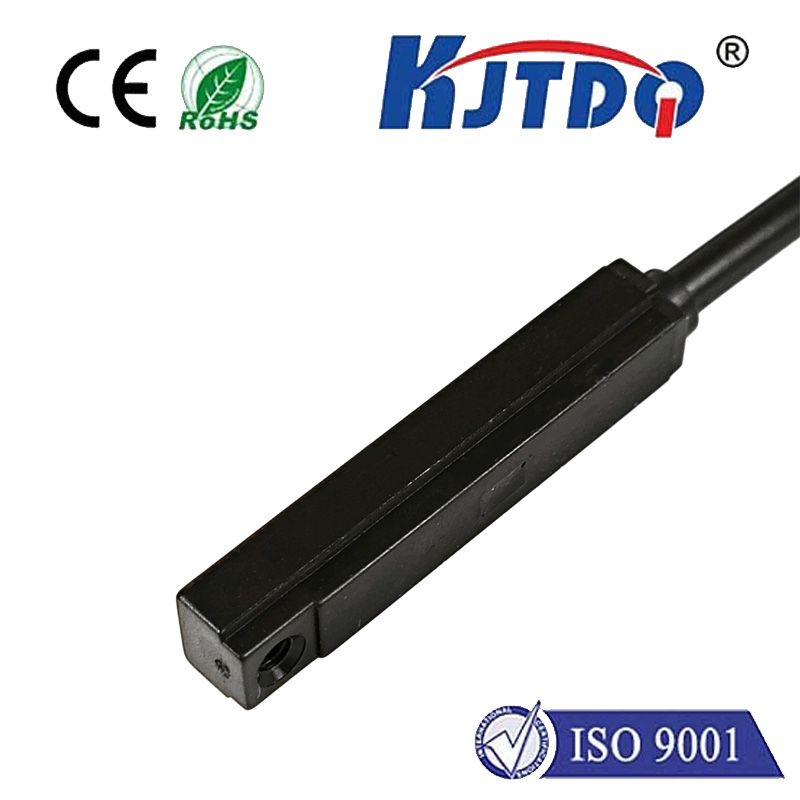
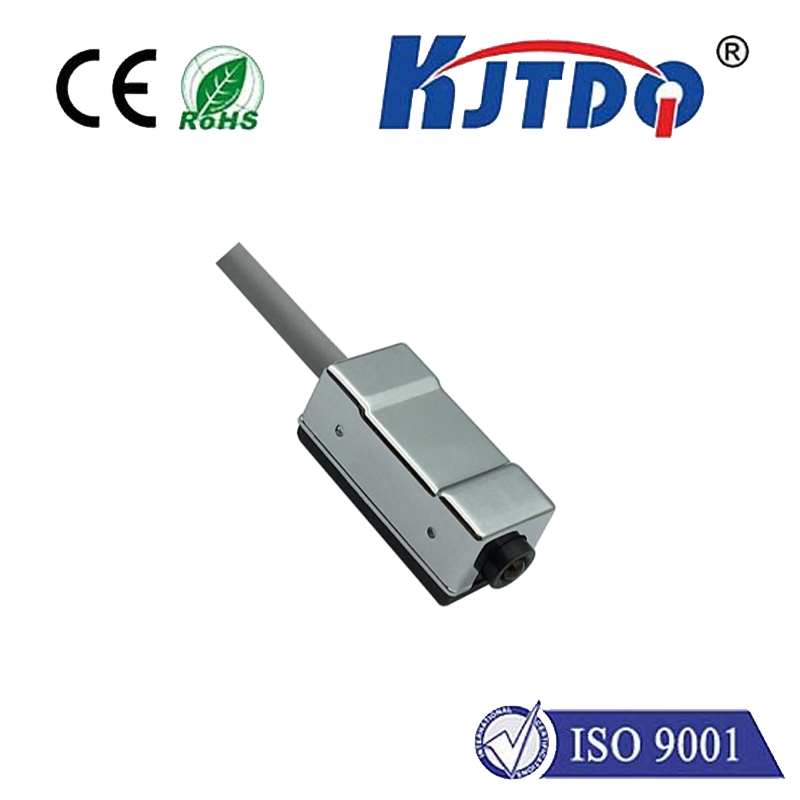
EOT crane limit switches serve as automated sentinels, halting crane movement at predefined points to avoid over-travel, collisions, or equipment damage. KJTDQ’s models are engineered with durability in mind, featuring robust housings that withstand harsh environments, including exposure to dust, moisture, and extreme temperatures. Their precision engineering allows for seamless integration with crane control systems, providing real-time feedback that enhances workflow efficiency. By preventing mechanical stress on crane components, these switches reduce downtime and maintenance costs, contributing to long-term operational savings.
The technology behind KJTDQ limit switches incorporates high-precision sensors and fail-safe mechanisms. For instance, rotary limit switches monitor hook block positions, while linear variants manage bridge and trolley movements. This versatility ensures comprehensive coverage across crane operations. In practice, a well-calibrated limit switch can prevent accidents caused by human error, such as operators misjudging distances. Case studies from logistics centers show that implementing KJTDQ switches reduced incident rates by over 30%, underscoring their role in fostering a safer workplace.
Beyond safety, KJTDQ EOT crane limit switches boost productivity. Automated limits enable faster cycling times, as cranes can operate at optimal speeds without manual interventions for positioning. This is particularly beneficial in high-volume settings like steel mills or ports, where every second counts. The switches’ easy installation and compatibility with various crane models make them a cost-effective upgrade for both new installations and retrofits. Regular maintenance tips include periodic calibration checks and visual inspections for wear, ensuring sustained performance.
In conclusion, KJTDQ’s EOT crane limit switches represent a fusion of innovation and practicality, essential for modern industrial operations. By prioritizing safety and efficiency, they help businesses meet regulatory standards while maximizing ROI. As industries evolve toward greater automation, investing in reliable components like these switches becomes a strategic imperative for sustainable growth.