check

check

check

check

check

check
In the intricate world of industrial automation, precision and reliability are paramount. Among the myriad components that ensure seamless operations, the ML limit switch stands out as a critical device for control and safety. This electromechanical tool is designed to detect the presence or absence of an object, or to monitor positional limits, thereby triggering actions within a machinery system. Its applications span across various sectors, including manufacturing, packaging, and material handling, where it helps prevent equipment damage, enhance efficiency, and safeguard personnel.
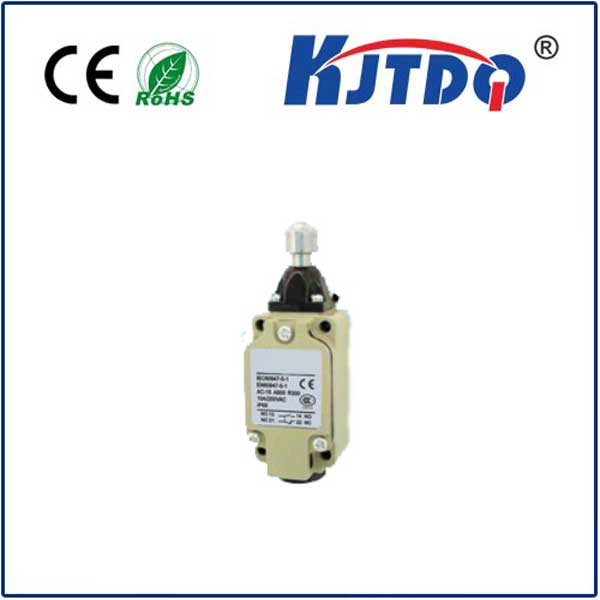
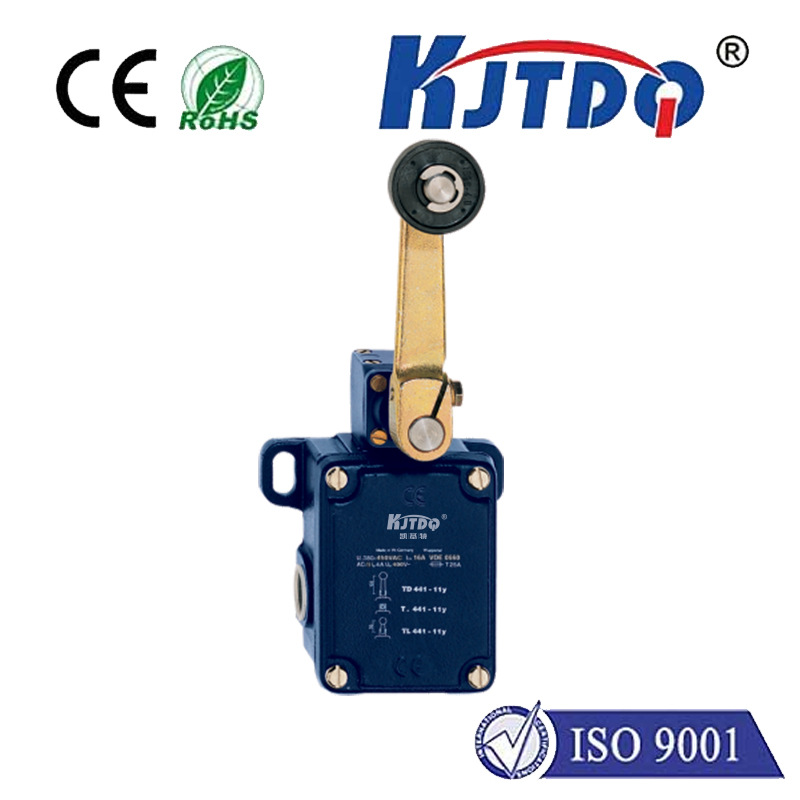
The ML limit switch typically consists of a robust housing, an actuator mechanism (such as a lever, roller, or plunger), and electrical contacts. When an object makes contact with the actuator, it moves to open or close the contacts, sending a signal to the control unit. This simple yet effective operation allows for real-time feedback in automated processes. For instance, in conveyor systems, ML limit switches can halt movement when a product reaches a specific point, ensuring accurate positioning and reducing waste. In robotics, they define the range of motion, preventing overtravel that could lead to mechanical failures.
One of the key advantages of ML limit switches is their durability. Built to withstand harsh industrial environments—including exposure to dust, moisture, and extreme temperatures—these switches offer long service life with minimal maintenance. Their mechanical nature provides a tangible, physical response, which is often preferred in safety-critical applications where electronic sensors might be susceptible to interference. However, it's essential to select the right type based on factors like actuation force, contact rating, and environmental conditions to optimize performance.
As industries evolve towards smarter automation, ML limit switches continue to integrate with advanced technologies. While they are fundamental components, their role complements digital systems like PLCs (Programmable Logic Controllers) and IoT (Internet of Things) networks. By providing reliable on-off signals, they contribute to data collection and process optimization, enabling predictive maintenance and reducing downtime. For engineers and technicians, understanding the specifications and installation guidelines of ML limit switches is crucial for designing efficient and safe automated systems.
In summary, the ML limit switch remains a cornerstone in automation, bridging mechanical actions with electrical control. Its proven track record in enhancing operational safety and efficiency makes it indispensable in today's industrial landscape. Whether in simple machinery or complex assembly lines, this device exemplifies how traditional engineering solutions continue to drive innovation and productivity.