check

check

check

check

check

check
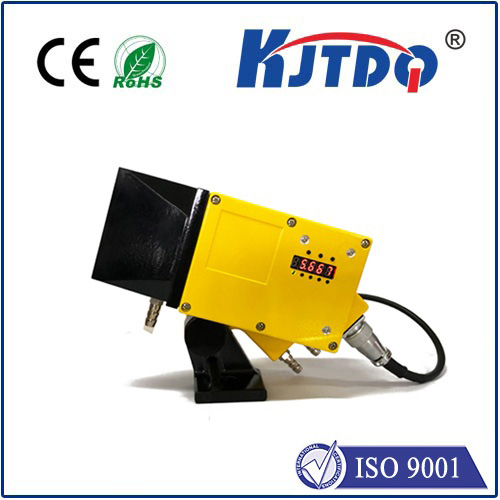
In today's fast-paced industrial environments, ensuring worker safety without compromising productivity is a paramount challenge. The laser safety sensor emerges as a critical solution, bridging the gap between operational efficiency and stringent safety protocols. Unlike traditional physical barriers or basic light curtains, these advanced sensors offer a non-intrusive, highly precise method for hazard detection and area monitoring.
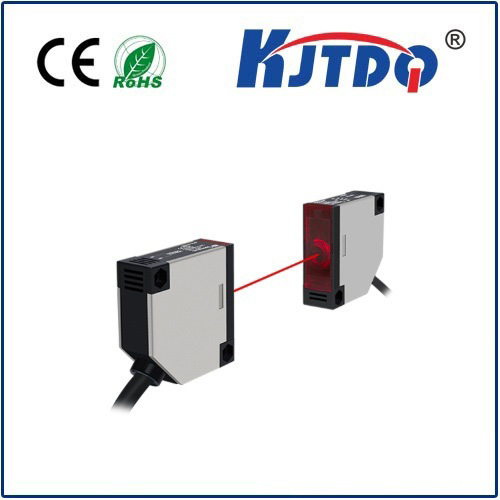
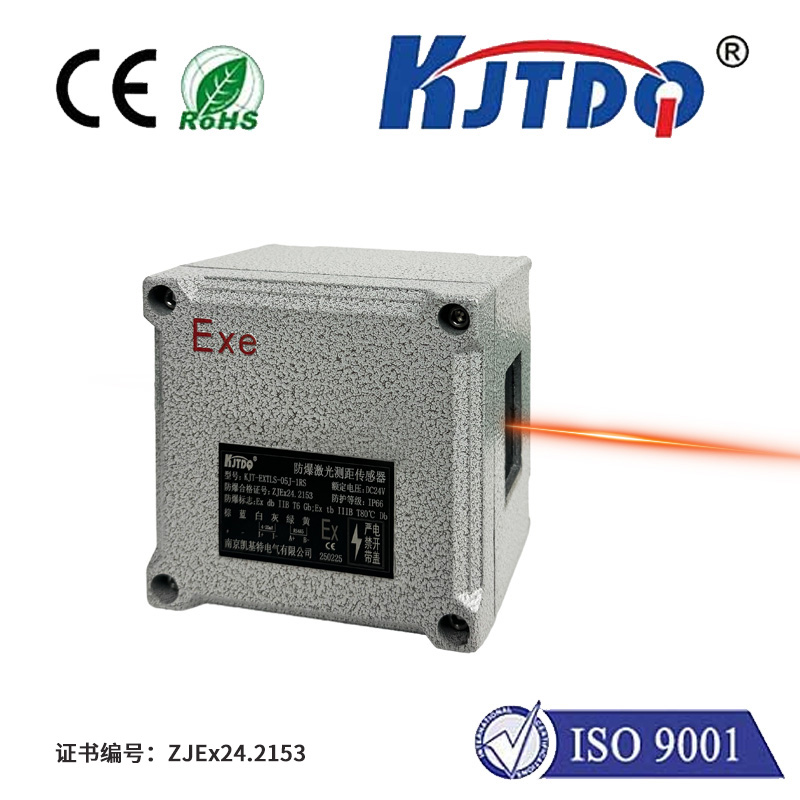
A laser safety sensor operates by projecting an invisible, protective field of infrared laser light. When an object or person breaches this predefined zone, the sensor triggers an immediate safety response. This typically involves sending a stop signal to the hazardous machinery, such as a robotic arm, press, or automated guided vehicle (AGV), bringing it to a safe halt before contact can occur. The core technology relies on time-of-flight or phase-shift measurement principles, allowing for exact distance calculation and reliable detection even in challenging conditions with varying ambient light or dust.
The advantages of integrating a laser safety sensor into a safety system are multifaceted. First and foremost, it enhances personnel protection in areas where access is occasionally necessary during operation, known as collaborative workspaces. It allows for flexible safeguarding of irregularly shaped or large areas where installing physical fencing is impractical or too costly. Furthermore, these sensors contribute to operational efficiency. By enabling safe human-machine collaboration, they reduce downtime associated with traditional lock-out/tag-out procedures, allowing for quicker maintenance, setup, and material handling. Their programmable fields let safety zones adapt to different operational modes, a feature crucial for flexible manufacturing.
When selecting a laser safety sensor, key specifications must be evaluated. The protective field range and resolution determine the size and precision of the monitored area. The response time, often measured in milliseconds, is critical for ensuring the machine stops within safe limits. Compliance with international safety standards, such as IEC 61496 (Type 3 or Type 4), is non-negotiable for achieving required Safety Integrity Levels (SIL) or Performance Levels (PL). Environmental ratings for dust and water ingress (IP codes) ensure reliability in harsh industrial settings. Modern sensors also offer connectivity via Ethernet/IP, PROFINET, or other industrial protocols for seamless integration into the factory's safety and control network.
Installation and commissioning require careful planning. The sensor must be positioned to cover all potential access points to the danger zone without creating blind spots. Regular functional testing, as mandated by standards, is essential to maintain the system's integrity. It is also vital to complement the sensor with a comprehensive risk assessment and overall safety concept, which may include training, signage, and procedural controls.
From automotive assembly lines and robotic welding cells to packaging machinery and logistics warehouses, applications are vast. They are indispensable for safeguarding perimeter access to large automated storage systems or ensuring safety in mobile applications like autonomous forklifts.
In conclusion, the laser safety sensor represents a sophisticated, adaptable, and intelligent approach to industrial safety. It moves beyond simple obstruction to create dynamic, invisible shields that protect personnel while enabling smoother, more productive workflows. Investing in this technology is not merely a regulatory compliance issue but a strategic decision that safeguards a company's most valuable asset—its people—and drives long-term operational excellence. As industries evolve towards greater automation and collaboration, the role of these precise sentinels will only become more central to the factory of the future.