check

check

check

check

check

check
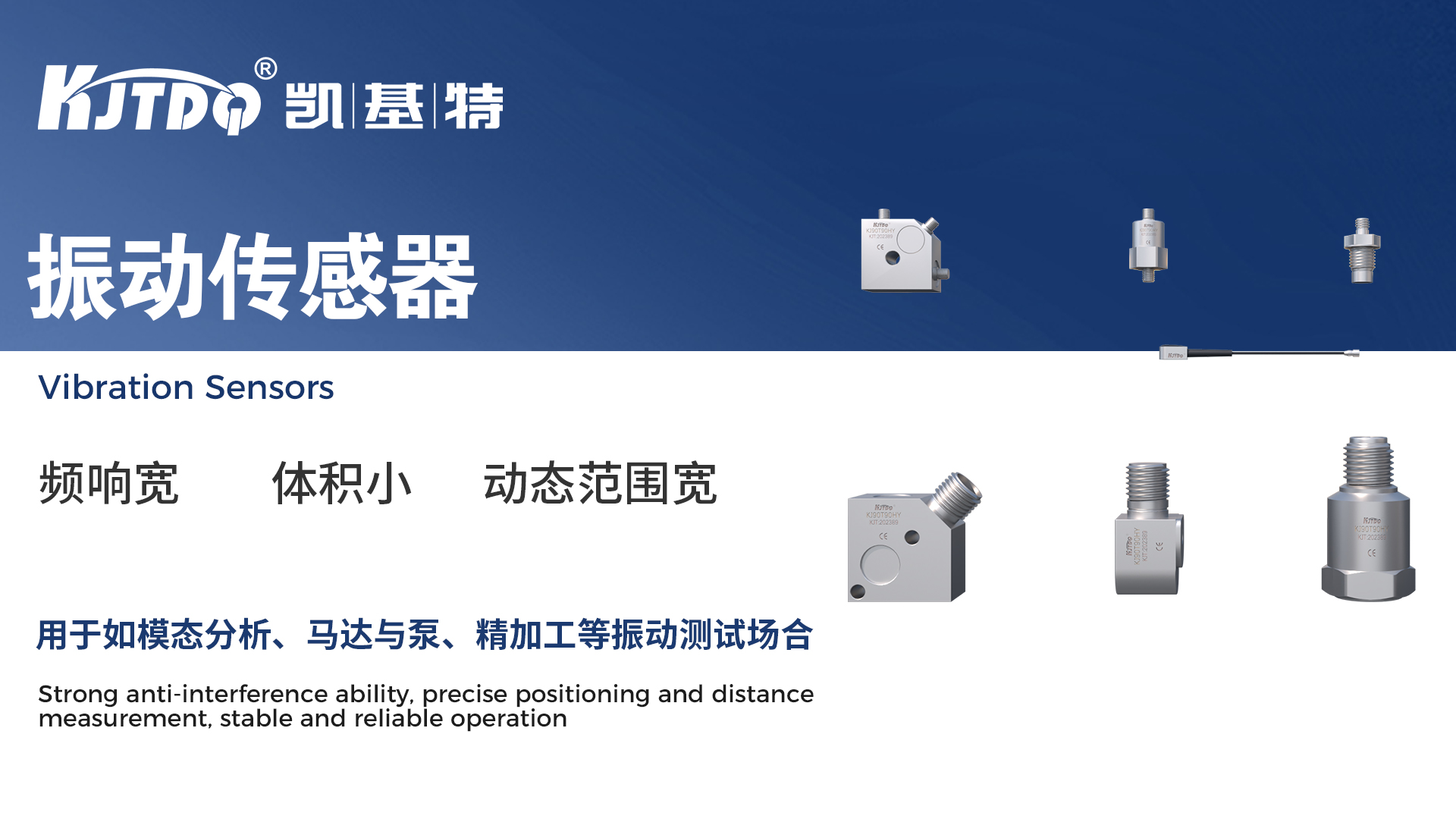
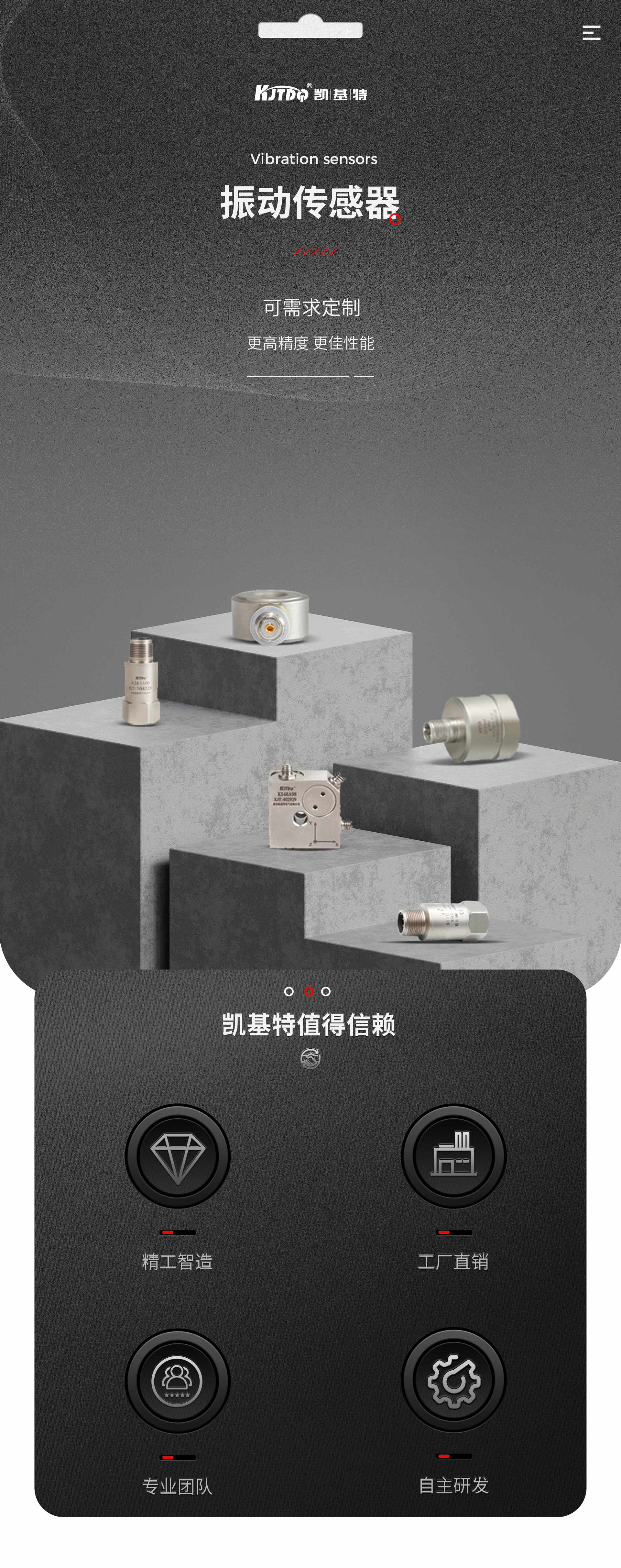
Many subtle vibrations, slight displacements, and structural responses in everyday and industrial settings, which are difficult to detect with the naked eye, can be accurately captured by vibration sensors. They are an indispensable core tool for equipment health management and structural safety monitoring.
Brief Description of Working Principle
Vibration sensors typically consist of a mass block, a spring, and electrical components. When external vibration occurs, the spring deforms, causing changes in resistance, capacitance, or inductance. These changes are converted into electrical signals, which, after analysis by algorithms, provide key data such as vibration acceleration, velocity, or displacement.
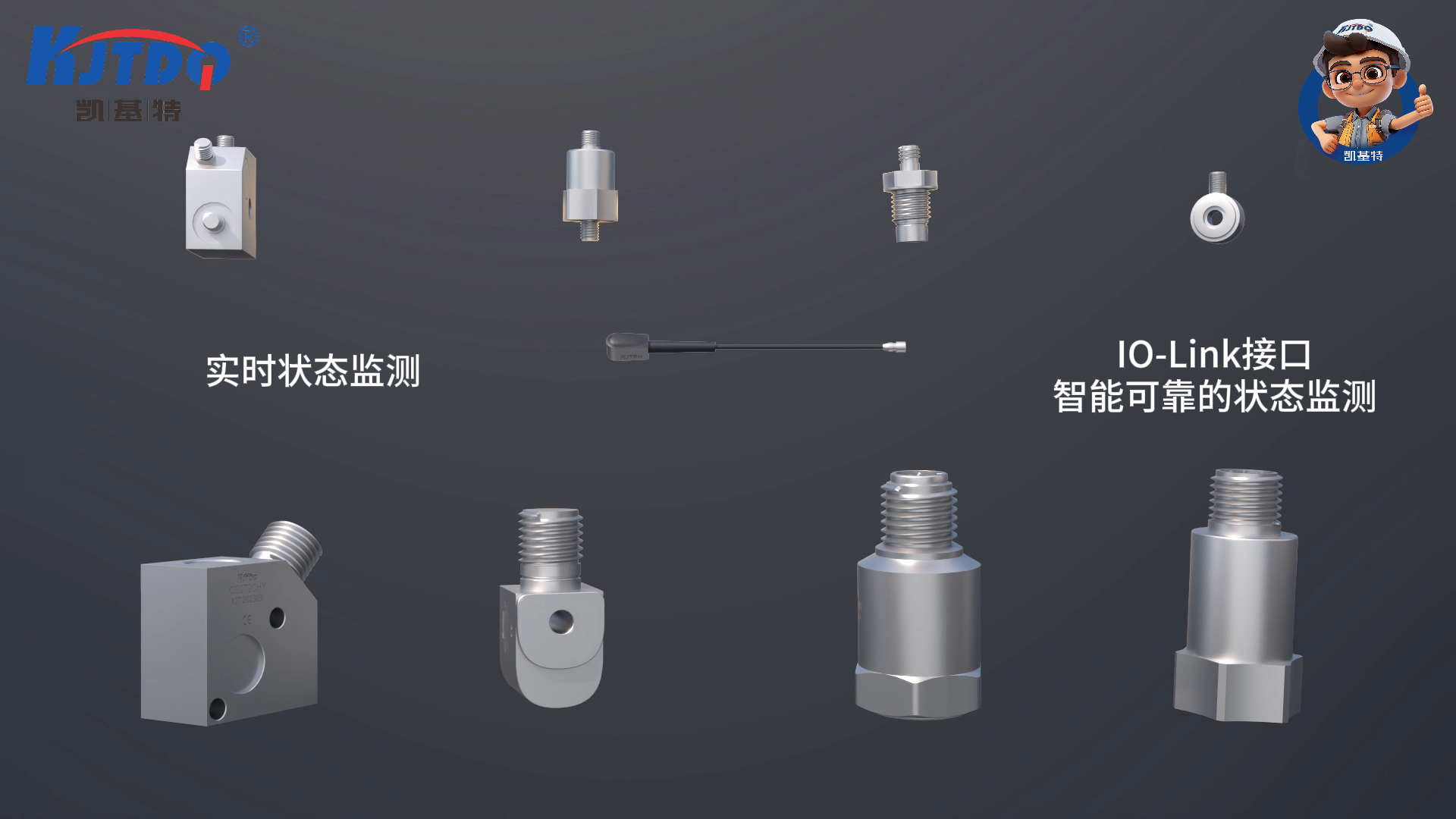
KJT vibration sensors can stably capture minute vibrations over long periods, helping users quickly determine whether equipment is in normal working order.
Main Application Areas
Industrial Equipment
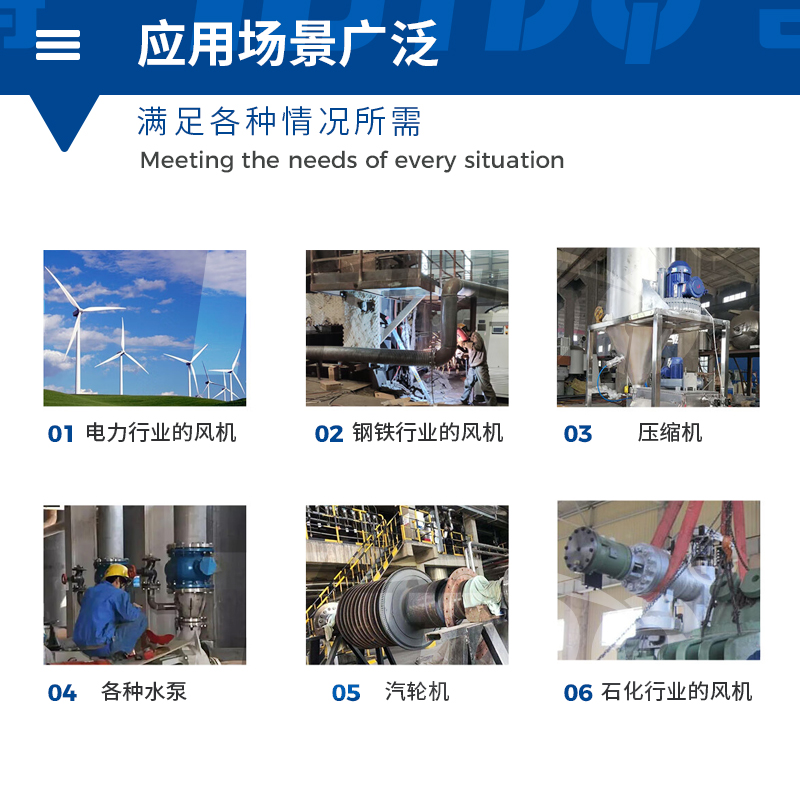
Equipment such as motors, fans, pumps, and compressors generate vibrations during operation. Sensors can monitor abnormal changes in real time, helping to detect faults such as bearing wear, loosening, and imbalance in advance, avoiding downtime and damage.
Machinery and Transportation Equipment
In machining equipment such as lathes and milling machines, vibration data can be used to optimize machining parameters and improve product accuracy. In vehicles, ships, and rail transportation, it can monitor the health of engines and transmission systems, improving operational safety.
Building and Structural Engineering
Structures such as bridges, high-rise buildings, and tunnels generate vibrations under wind loads, traffic, and earthquakes. Sensors can continuously record structural responses, providing a basis for engineering reinforcement, seismic assessment, and safety early warning.
Future Development Directions
Vibration sensors are evolving towards smaller and more intelligent designs. Combined with AI algorithms and IoT platforms, they can achieve remote monitoring, automatic diagnostics, and predictive maintenance, bringing greater safety and efficiency to industry and engineering.
Conclusion
KJT vibration sensors, with their high precision, strong reliability, and excellent durability, serve multiple fields such as industry, machining, transportation equipment, and structural monitoring, helping users to promptly grasp the status of equipment and structures.
Please contact us for more practical cases and application solutions. KJT is willing to work with you to create a safer and smarter future.