check

check

check

check

check

check
PT100R-2104-I2-DT043P: A Comprehensive Guide to Understanding and Utilizing the PT100 Resistance Temperature Detector
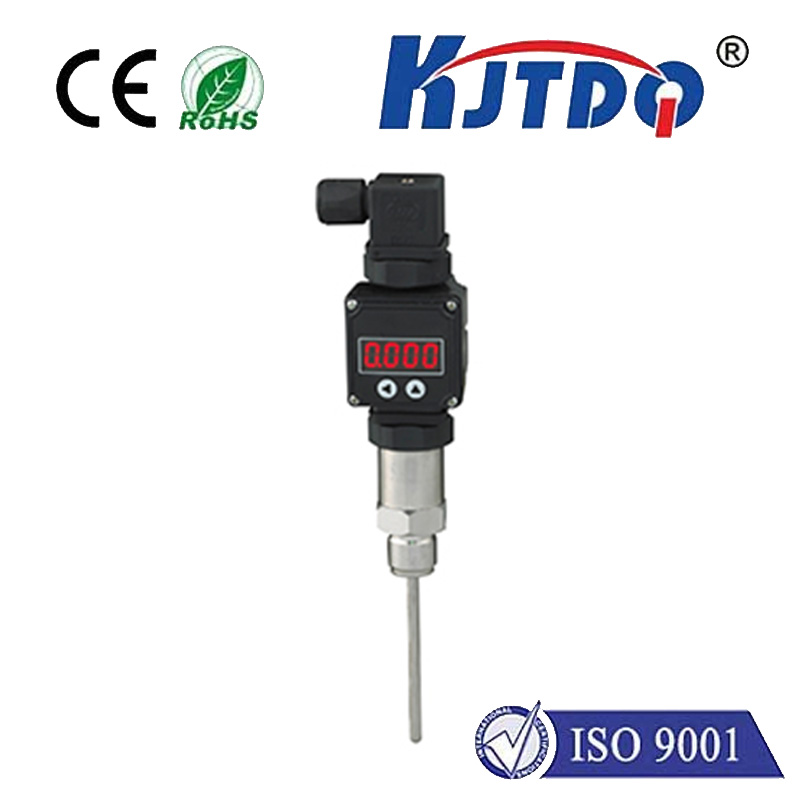
The PT100R-2104-I2-DT043P is a high-precision temperature sensor widely used in industrial and scientific applications. This sensor is part of the PT100 series, which is known for its reliability and accuracy in measuring temperature. Understanding its specifications and functionality is crucial for ensuring accurate temperature monitoring and control in various environments.
The PT100R-2104-I2-DT043P is a resistance temperature detector (RTD) that measures temperature based on the change in electrical resistance of the platinum resistor. The PT100 series is designed to operate within a temperature range of -200°C to 850°C, making it suitable for a wide range of applications, from industrial processes to laboratory settings. The sensor’s unique design and material composition ensure that it maintains a high level of accuracy and stability under varying conditions.
Key Features of the PT100R-2104-I2-DT043P
One of the most important features of this sensor is its high accuracy. The PT100R-2104-I2-DT043P is calibrated to provide precise temperature readings, making it ideal for applications where accuracy is critical. The sensor is also known for its durability and resistance to environmental factors such as humidity and corrosion. This makes it particularly suitable for use in harsh environments where traditional sensors might fail.

Another notable feature is the sensor’s compatibility with various measurement systems. It can be connected to standard temperature measurement devices, such as data loggers, thermometers, and control systems. This versatility allows the sensor to be integrated into a wide range of applications, from temperature monitoring in chemical plants to monitoring the temperature of electronic components in data centers.
Technical Specifications
The PT100R-2104-I2-DT043P is a standard PT100 sensor, which means it is made of pure platinum and has a resistance of 100 ohms at 0°C. As the temperature increases, the resistance of the sensor increases proportionally, allowing for accurate temperature measurement. The sensor is available in different model numbers, each with its own set of specifications. For example, the PT100R-2104-I2-DT043P is designed for use in environments with high humidity and temperature fluctuations.
Applications of the PT100R-2104-I2-DT043P
This sensor is commonly used in applications where precise temperature control is essential. One of the most common uses is in temperature monitoring in industrial processes, such as in heating and cooling systems, chemical reactions, and material processing. The sensor’s ability to provide accurate readings helps in maintaining optimal conditions for these processes.
In the field of scientific research, the PT100R-2104-I2-DT043P is used to monitor temperature in experiments and laboratories. Its high precision and reliability make it a preferred choice for researchers who require accurate data for their experiments.
Installation and Maintenance
Proper installation and maintenance are crucial for ensuring the long-term performance of the PT100R-2104-I2-DT043P. The sensor should be installed in a location where it is not exposed to direct sunlight, moisture, or other environmental factors that could affect its accuracy. Regular maintenance, such as checking for wear and ensuring proper calibration, is also important for maintaining the sensor’s performance over time.
Conclusion
The PT100R-2104-I2-DT043P is a reliable and accurate temperature sensor that offers a wide range of applications. Its high precision, durability, and versatility make it an ideal choice for industrial and scientific applications. Whether you are monitoring temperature in a chemical plant or conducting experiments in a laboratory, the PT100R-2104-I2-DT043P is a valuable tool that ensures accurate and reliable temperature measurements. With proper installation and maintenance, this sensor can provide long-term performance and accuracy, making it a key component in many temperature monitoring systems.