check

check

check

check
check
check
check
check

check
check
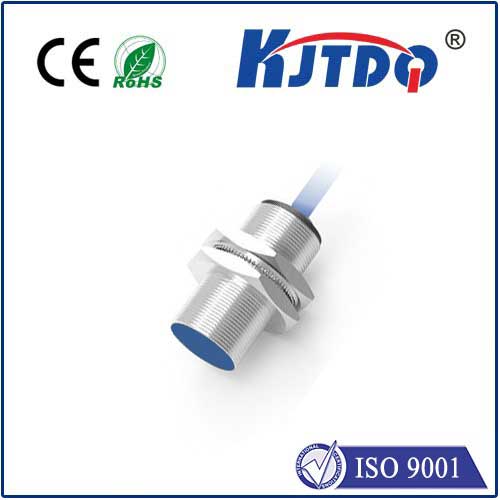
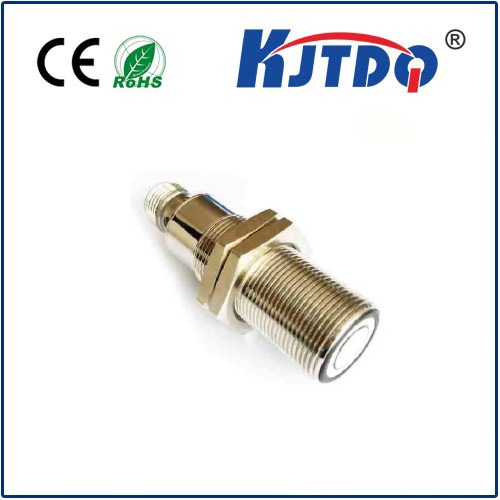
In the bustling world of industrial automation, where milliseconds matter and precision is paramount, reliable sensing is the unsung hero. Among the diverse array of sensors available, inductive proximity sensors stand out as fundamental workhorses. Specifically, the PS1 inductive proximity switch sensor represents a robust and widely utilized solution for detecting metallic objects with exceptional accuracy and durability, forming a critical link in countless automated processes. Understanding its function, advantages, and applications is key to appreciating its role in modern manufacturing and beyond.
Unveiling the Principle: Electromagnetic Sensing
Unlike mechanical switches that require physical contact, an inductive proximity sensor, including the PS1 model, operates on a fascinating principle of non-contact detection. Imagine a small coil inside the sensor head, energised by an alternating current. This generates an oscillating electromagnetic field projecting from the sensing face.
When a conductive metal target enters this active field, something remarkable happens: eddy currents are induced within the metal’s surface. These swirling currents consume energy from the sensor’s oscillator circuit. The sensor’s sophisticated electronics continuously monitor this oscillation. When the energy loss caused by the eddy currents reaches a predefined threshold, the sensor triggers its solid-state output switch (NPN or PNP transistor), signalling the presence of the target. Crucially, this detection happens without any physical touch, making these sensors incredibly reliable and wear-free.
Why the PS1 Model? Key Features and Benefits
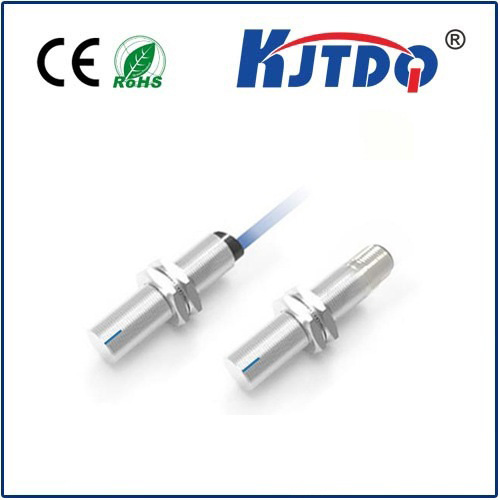
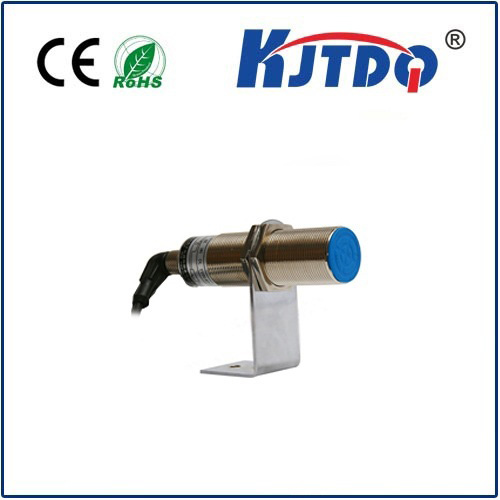
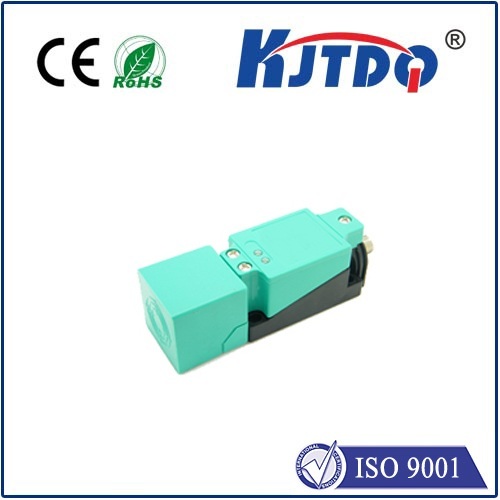
While the core inductive principle remains constant, the inductive proximity sensor PS1 designation typically refers to a specific, often cylindrical form factor and performance specification set widely recognised in the industry. Here’s why it’s a popular choice:
PS1 in Action: Diverse Industrial Applications
The inductive proximity sensor PS1 finds its place in virtually every corner of modern automation. Its primary role is the detection of ferrous or non-ferrous metallic objects:
Optimizing Performance: Installation and Selection
To maximize the effectiveness of the PS1 inductive sensor, consider these crucial factors:
The Future Remains Bright: PS1 Enduring Relevance
As Industry 4.0 evolves with smarter factories and IoT integration, even fundamental components like the inductive proximity sensor PS1 are adapting. We see trends towards IO-Link enabled versions allowing for enhanced diagnostics (monitoring temperature, switch cycles, signal strength), remote parameter setting, and seamless integration into digital networks. Despite these advancements, the core function – providing robust, non-contact metal detection – remains foundational. Its simplicity, unmatched durability, and cost-effectiveness ensure the inductive proximity sensor PS1 will continue to be a cornerstone of industrial sensing for the foreseeable future, quietly enabling automation across countless essential processes. Its role in ensuring precise, reliable operation within complex systems remains indispensable.