check

check

check

check
check
check
check
check
check

check
Imagine a high-speed production line bottling beverages. Thousands of containers zip past, each needing precise filling, capping, and labeling. Missing just one bottle could mean costly spillage, jams, or defective products. The silent sentinels ensuring flawless operation? Proximity sensors. But not all proximity sensors are created equal, especially when it comes to their electrical language. Choosing between PNP and NPN proximity sensors is a fundamental decision impacting system design, safety, and performance. Understanding the critical difference – sourcing vs. sinking – is paramount for anyone designing, installing, or maintaining automated systems.
The Core Function: Detection Without Touch
Proximity sensors, fundamentally, detect the presence or absence of a target object within a specific range without physical contact. They achieve this magical feat using different principles:
Regardless of the technology, the sensor needs to reliably signal its detection state (target present/target absent) to a controller like a PLC (Programmable Logic Controller). This is where the PNP vs NPN distinction becomes crucial. It defines how the sensor interacts with the PLC’s input circuitry.
The Electrical Heart: Understanding Sinking and Sourcing
The PNP/NPN designation refers to the type of output transistor used inside the sensor. This transistor acts like an electronic switch, controlling the flow of current to the PLC input. The key concepts are sinking and sourcing:
The Showdown: PNP vs NPN - Key Differences
| Feature | PNP (Sourcing) | NPN (Sinking) |
|---|---|---|
| Output Action | Switches +V to Load | Switches Load to 0V |
| Current Flow | From Sensor Output → PLC Input → 0V | From +V → PLC Input → Sensor Output → 0V |
| Common Usage | More common in Europe/Asia | More common historically in US/Japan |
| PLC Input Type | Requires Sinking Input | Requires Sourcing Input |
Here’s the critical rule: The type of proximity sensor (PNP/NPN) must match the type of PLC input circuitry (Sinking/Sourcing) for the circuit to function correctly.
Why the Distinction Matters: Choosing the Right Sensor
Selecting between PNP and NPN isn’t just about electrical compatibility; it influences system design and safety:
Inductive Sensor Specifics: A Workhorse Application
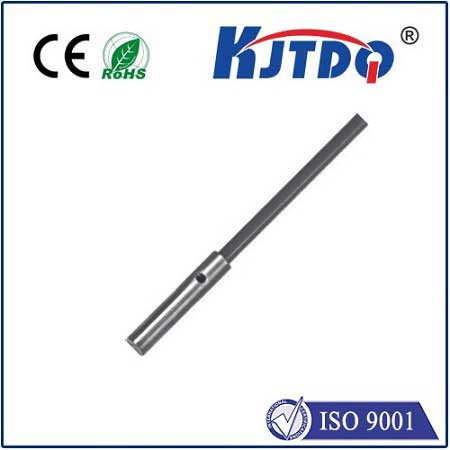
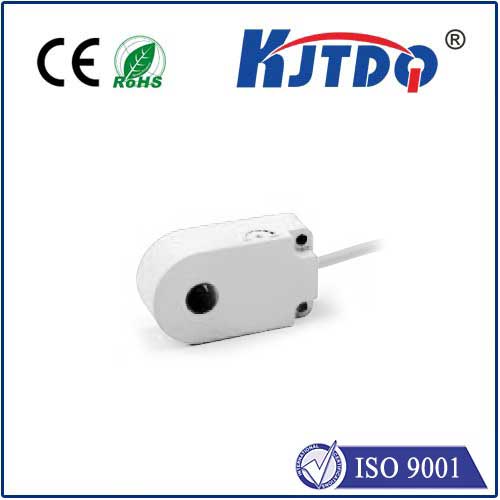
Inductive proximity sensors are arguably the most common type where the PNP/NPN choice is frequently encountered. Loved for their durability, resistance to dirt and moisture, and ability to detect ferrous metals reliably, they are industrial staples. Whether you need an inductive PNP proximity sensor for a European machine or an inductive NPN proximity sensor for retrofitting an older North American system, confirming the required output type is essential before installation. Remember, inductive sensors only detect metals, so the target material is another key selection criterion beside the PNP/NPN designation.
Practical Wiring & Implementation Tips