optical window sensor
- time:2025-08-13 15:57:12
- Click:0
The Unsung Sentinel: How Optical Window Sensors Power Smarter Detection
Imagine a high-speed production line where bottles race by at dizzying speeds. A misaligned cap could jam machinery, costing thousands in downtime. Or picture a critical safety barrier guarding dangerous machinery – an undetected breach could be catastrophic. In these demanding environments, traditional sensors might falter due to dust, ambient light, or vibrations. But there’s a reliable guardian often working unnoticed: the optical window sensor. This sophisticated device combines precision optics with robust design to deliver exceptional performance where others struggle, making it an essential component in modern automation and safety systems.
Demystifying the Optical Window Sensor: Seeing Through the Barrier
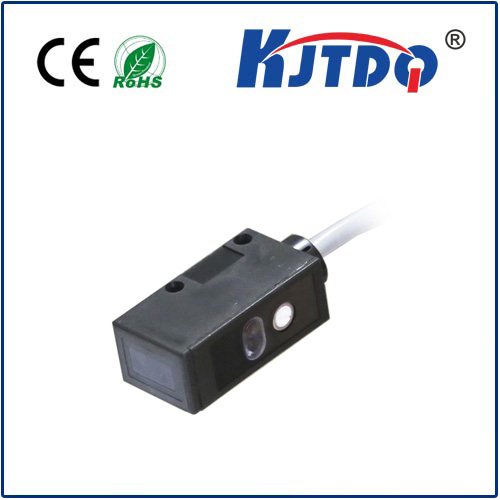
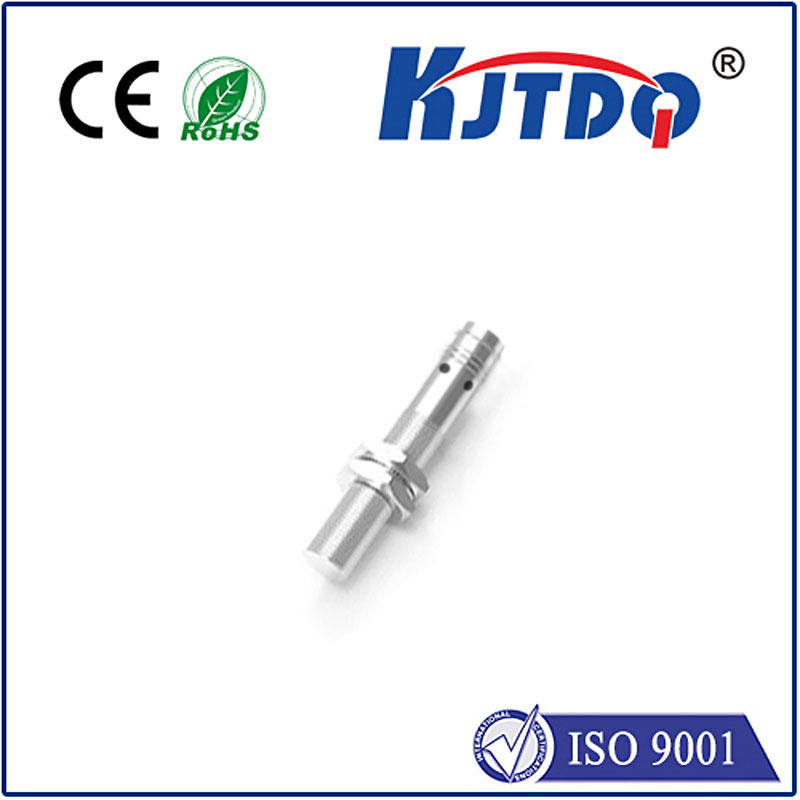
At its core, an optical window sensor is a self-contained, through-beam photoelectric sensor where the transmitter (light source, usually infrared) and receiver are housed within a single unit. The critical distinguishing feature is a dedicated optical window, typically made of high-quality glass or acrylic, built into the sensor housing. This window acts as the precision optical interface through which the emitted light beam passes out to strike an external reflector and returns to the receiver inside the same unit.
Think of it as a small, self-sufficient lighthouse and lookout tower combined. The light beam travels out the window, bounces off a strategically placed reflector (often retro-reflective tape or a specialized prism reflector), and returns through the same window to be captured by the sensor’s receiver. The fundamental principle is simple: an object interrupting this beam path breaks the circuit, triggering an output signal indicating detection.
The Power Behind the Window: Key Advantages Unveiled

Why choose an optical window sensor over other sensing technologies? The benefits stem directly from its unique design:
- Immunity to Contamination & Harsh Environments: This is arguably its greatest strength. Because the sensitive transmitter and receiver electronics are sealed behind the durable optical window, they are highly protected from dust, dirt, mist, oil spray, welding spatter, and other airborne contaminants prevalent in industrial settings. Cleaning is often as simple as wiping the external window surface. Compare this to separate emitter/receiver units where lenses can become independently coated, drastically reducing reliability.
- Simplified Installation and Alignment: Setup is significantly easier than pairing separate emitter/receiver units (also known as thru-beam sensors). With an optical window sensor, you only need to power and mount one unit and position the reflector optimally. This eliminates the time-consuming and often frustrating task of precisely aligning two separate devices across potentially long distances. Reduced installation time translates directly to cost savings.
- Superior Resistance to Ambient Light: These sensors typically use modulated infrared light, allowing the receiver electronics to distinguish the sensor’s specific signal from stray ambient sunlight or artificial lighting. The sealed, co-located design further enhances this rejection capability.
- Increased Stability: Mounting both the emitter and receiver in one rigid housing minimizes the impact of vibration and mechanical stress on alignment. Separate units can drift out of alignment over time due to machine vibrations or thermal expansion, causing false signals or failures. The single-unit design inherently mitigates this risk.
- Space Efficiency: For applications where mounting space is limited on one side of the detection point, the optical window sensor provides a compact solution, requiring significantly less room than accommodating two separate devices.
Where the Window Shines: Diverse Applications
The robust and reliable nature of optical window sensors makes them invaluable across numerous sectors:
- Packaging & Bottling Lines: Detecting product presence/absence (e.g., bottles, cans, cartons), verifying cap placement, checking fill levels, and monitoring label application.
- Material Handling & Logistics: Monitoring pallet positioning, detecting objects on conveyors, sensing door/gate positions (open/closed), and confirming bin/tote presence.
- Automotive Manufacturing: Verifying component placement during assembly, detecting robots/carriers in work cells, ensuring safety gates are closed during robotic operations, and monitoring fastener presence.
- Machine Safety: Acting as critical components within safety light curtains and perimeter guarding systems to detect personnel entering hazardous zones (Safety Integrity Level - SIL certified versions are used here).
- Printing & Converting: Detecting web breaks, verifying registration marks, and monitoring substrate passage.
- Food & Beverage Processing: Sanitary applications requiring washdown compatibility (using specific sensor ratings like IP69K) for tasks like detecting product flow or container positioning.
Choosing Wisely: Key Selection Considerations
Not all optical window sensors are created equal. To ensure optimal performance, consider these factors:
- Operating Range: This is the maximum effective distance between the sensor and its reflector. Ensure it meets your specific application needs. Some offer adjustable ranges.
- Light Spot Size: A smaller light spot enables detection of finer objects or more precise positioning.
- Window Material & Coating: Standard glass is common, but specialist coatings (anti-fog, hydrophobic) enhance performance in challenging conditions. Resistant materials are vital for harsh chemicals.
- Housing Material & Protection Rating: Choose robust metallic (e.g., stainless steel) or engineering plastic housings. The IP Rating (Ingress Protection), like IP67 or IP69K, is crucial – it indicates protection against dust and water ingress. IP69K is essential for high-pressure/high-temperature washdown in food/pharma.
- Output Type: Models offer PNP/NPN switching outputs, analog outputs, or specialized IO-Link communication for digital data exchange and enhanced diagnostics.
- Response Time: Critical for detecting very fast-moving objects. Ensure the sensor’s response speed meets the application’s demands.
- Object Detection Capability: Most excel at detecting opaque objects. However, some advanced models feature blue light technology or specialized optics capable of reliably detecting translucent objects like clear bottles or films.
- Environmental Factors: Consider temperature extremes, exposure to chemicals, UV radiation, or heavy impacts when selecting the appropriate model.
Beyond the Basic Beam: The Role of the Optical Window
The window itself is not merely a transparent cover; its quality is paramount. It ensures high optical clarity with minimal distortion and scattering of the light beam, maximizing sensing range and accuracy. It must be physically durable to withstand knocks and abrasion. Crucially, it must be manufactured to provide an excellent seal, preventing the ingress of contaminants that would compromise the sensitive internal optics. Regular cleaning of this external window surface is usually the only maintenance required to keep the sensor functioning reliably for years.
A Critical Cog in the Automation Wheel
From preventing costly production line jams to safeguarding human lives, the optical window sensor performs a vital, often unseen role. Its unique combination of robustness, simplified installation, contamination immunity, and reliable object detection makes it a preferred choice over other photoelectric methods in countless industrial applications. Selecting the right sensor – considering the operating environment, sensing distance, object characteristics, and required protection level – is key to unlocking its full potential. This ingenious device proves that sometimes, the clearest view and most dependable performance come from looking through a well-designed window.