check
check
check
check

check
check
check
check
check
check
Imagine a high-speed bottling line humming along, bottles zipping towards a critical filling station. What prevents a misaligned bottle from causing a catastrophic jam or, worse, shattering glass across the factory floor? Or picture the massive arm of an industrial robot, programmed for precise welding. What ensures it doesn’t overextend and collide with vital equipment, causing thousands in damage and downtime? The unsung hero in countless automation scenarios often resides in a small, rugged package: the proxy limit switch. More accurately known as a proximity limit switch or simply a proximity sensor, these electronic sentinels provide crucial position feedback and safety limits without ever needing to touch the object they monitor. Understanding their function is key to optimizing machine safety, reliability, and efficiency.
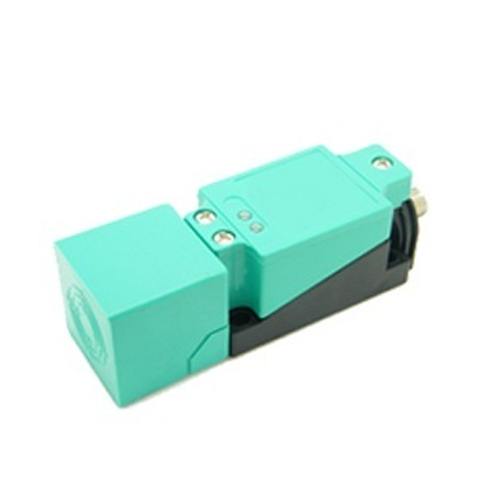
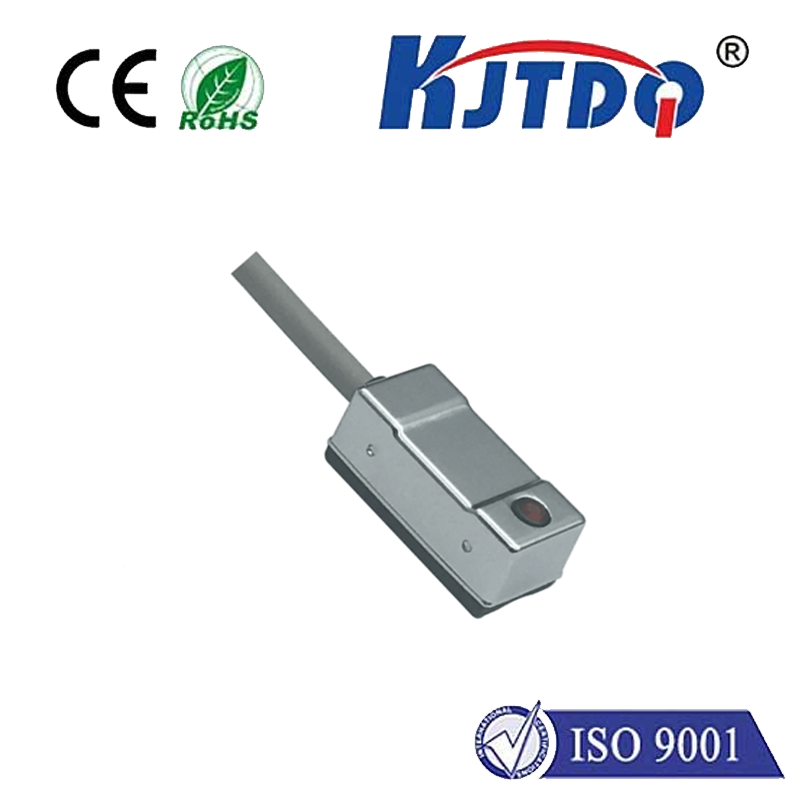
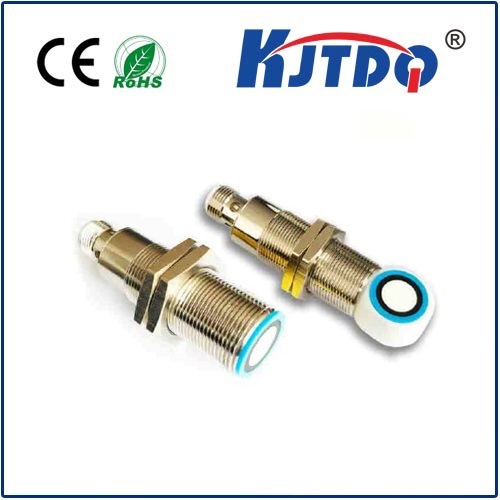
At its core, a proxy limit switch is a non-contact sensor designed to detect the presence or absence of a metallic (and sometimes non-metallic) target within a specific range. Unlike traditional mechanical limit switches that rely on physical levers or plungers being pressed, proximity sensors work electromagnetically. They generate an oscillating electromagnetic field from their sensing face. When a conductive target (like steel, aluminum, brass, etc.) enters this field, it induces eddy currents on the target’s surface. These eddy currents draw power from the sensor’s oscillator circuit, causing a measurable change (amplitude reduction or frequency shift).
This internal change is detected by the sensor’s circuitry. Once the change exceeds a predetermined threshold – meaning the target is close enough – the sensor triggers its switching mechanism. This typically means an internal solid-state output (like a transistor) changes state: an NPN sensor “sinks” current to ground, while a PNP sensor “sources” current from the positive supply. This electrical signal is then sent to the machine’s control system (PLC, CNC, safety relay), conveying the simple but vital message: “Target is here” or “Target is gone.”
Key Types and Their Applications
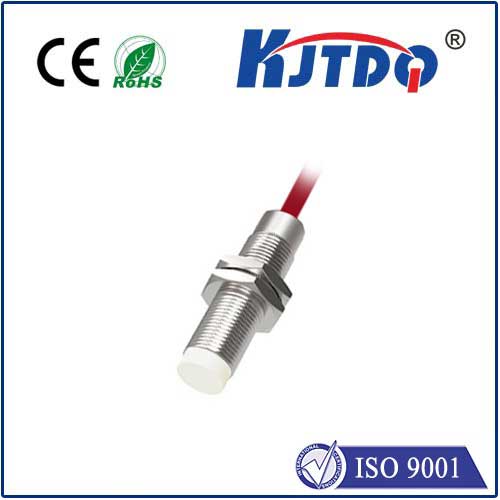
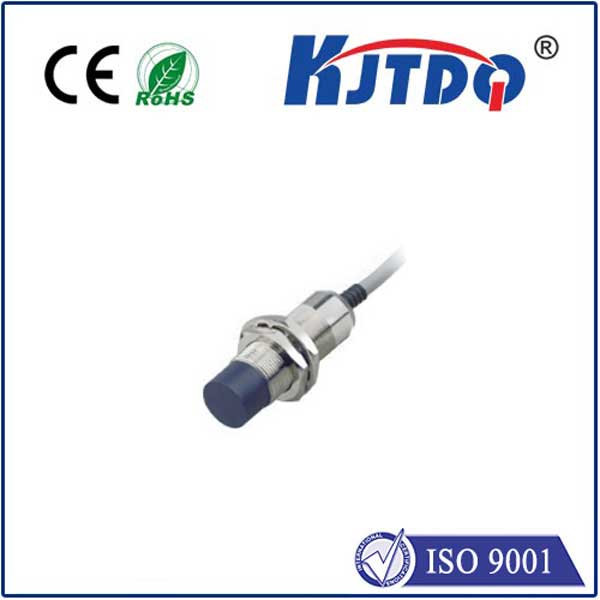
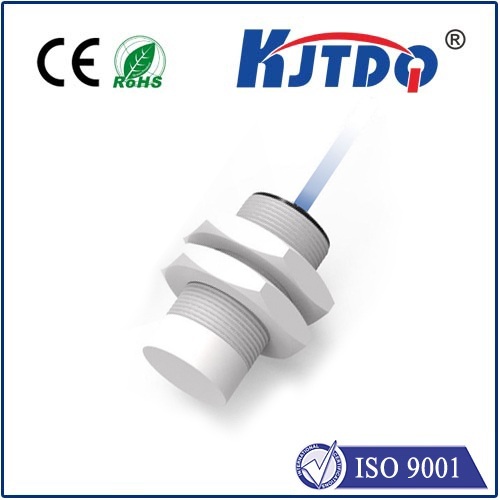
Proximity sensors come in several primary variants, each suited to specific needs:
Why Choose a Proxy Limit Switch? The Compelling Advantages
The shift from mechanical to proximity limit switches is driven by undeniable benefits crucial for modern manufacturing:
Essential Considerations When Specifying
Selecting the right proxy limit switch requires careful attention to several factors:
Sn) must be sufficient for the application, considering the mounting position and target movement. Remember: inductive sensors see reduced range on non-ferrous metals.Installation and Maintenance: Ensuring Peak Performance
While robust, correct installation is vital. Maintain the recommended distance (Sn) between the sensor face and the target. Mount securely to minimize vibration. Ensure the target approaches the sensing face, not the side of the housing. Keep the sensing face clean of excessive buildup (metal chips, grease), though a thin layer usually doesn’t affect inductive sensors significantly. Periodically verifying operation as part of a preventative maintenance routine helps catch any potential failures before they cause unplanned stoppages. Look for damage to cables or housings.
From the relentless pace of automotive assembly lines to the delicate precision of semiconductor manufacturing, proxy limit switches are fundamental components of the modern industrial landscape. Their ability to provide reliable, high-speed, non-contact position feedback and harsh environment safety limits makes them indispensable for ensuring machine safety, maximizing productivity through minimized downtime, and enabling precise automation control. When specifying sensing solutions for position detection or critical travel limits, understanding the capabilities and selection criteria for proximity sensors is an investment in operational excellence.