check
check
check
check

check
check
check
check
check
check
Imagine a critical conveyor belt hauling tons of ore deep within a mine. Suddenly, a massive rock jams the mechanism. Without intervention, the powerful drive motor strains relentlessly, threatening catastrophic failure – shredded belts, bent shafts, bearing meltdowns, costing thousands in downtime and repairs. This nightmare scenario is precisely where a torque limit switch steps in, acting as the vigilant guardian against mechanical overload. Far more than just a component, it’s a fundamental safety mechanism ensuring the longevity of equipment and the smooth operation of countless industrial processes.
Understanding the Torque Limit Switch: Core Function
At its essence, a torque limit switch is a specialized device designed to detect excessive rotational force (torque) within a drive system and trigger an immediate response. Its primary function is over-torque protection. When the torque exerted on a shaft, gearbox, valve stem, or similar rotating element exceeds a predetermined, safe threshold, the torque limit switch activates. This activation typically sends an electrical signal to the motor controller or safety circuit, commanding an immediate shutdown or reversal of the drive. It acts as the crucial fail-safe, preventing damage caused by overloads, jams, or mechanical binding that motors alone cannot reliably sense until it’s too late.
How It Works: Sensing the Strain
While implementations vary, the core principle remains consistent: translating physical strain into an actionable signal.
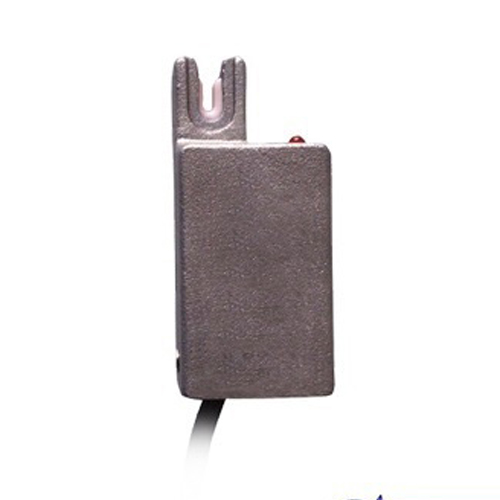
The Switch Actuation: Whether initiated by a sheared pin, clutch slippage, or sensor output, this action physically moves a lever, plunger, or other mechanism within the torque limit switch.
The Electrical Signal: This movement changes the state of electrical contacts within the switch housing. This could open (break) a circuit signaling an alarm/shutdown, or close (make) a circuit to trigger a specific safety sequence. The critical aspect is the immediate and reliable interruption of the drive signal upon detection of unsafe torque.
Why Torque Limit Switches Are Indispensable: Key Applications
The safety mechanism provided by torque limit switches is essential across a vast spectrum of industries:
The Tangible Benefits: Safety and Savings
Implementing a torque limit switch delivers concrete advantages:
Selecting the Right Torque Limit Switch: Key Considerations
Choosing the appropriate torque limit switch requires careful analysis:
Beyond the Basics: The Role of Robustness
A torque limit switch often resides in demanding environments. Its own robustness directly impacts its reliability and the safety it provides. Factors like resistance to shock, vibration, extreme temperatures, corrosion, and ingress of dust or moisture (indicated by IP ratings) are not secondary considerations but fundamental requirements for dependable operation. The physical integrity of its sensing mechanism and the electrical reliability of its contacts under load are critical. Investing in a switch built for the specific environmental challenges pays dividends in long-term, trouble-free over-torque protection.
Integrating the Essential Safeguard
In the intricate dance of rotating machinery, where immense forces are harnessed, the torque limit switch plays a vital, often overlooked, role. It is the safety mechanism standing ready to detect the point where force becomes destructive. By providing