check
check
check
check

check
check
check
check
check
check
Imagine a towering crane hoisting a critical load, a massive dump truck tipping its bed, or a sophisticated solar panel array tracking the sun. Now, imagine the catastrophic consequences if these structures moved beyond their safe operating angles. Uncontrolled tilting leads to equipment damage, costly downtime, environmental hazards, and worst of all, severe injuries or fatalities. This is where the tilt limit switch steps in – an unassuming yet vital component silently safeguarding lives and machinery.
What Exactly is a Tilt Limit Switch?
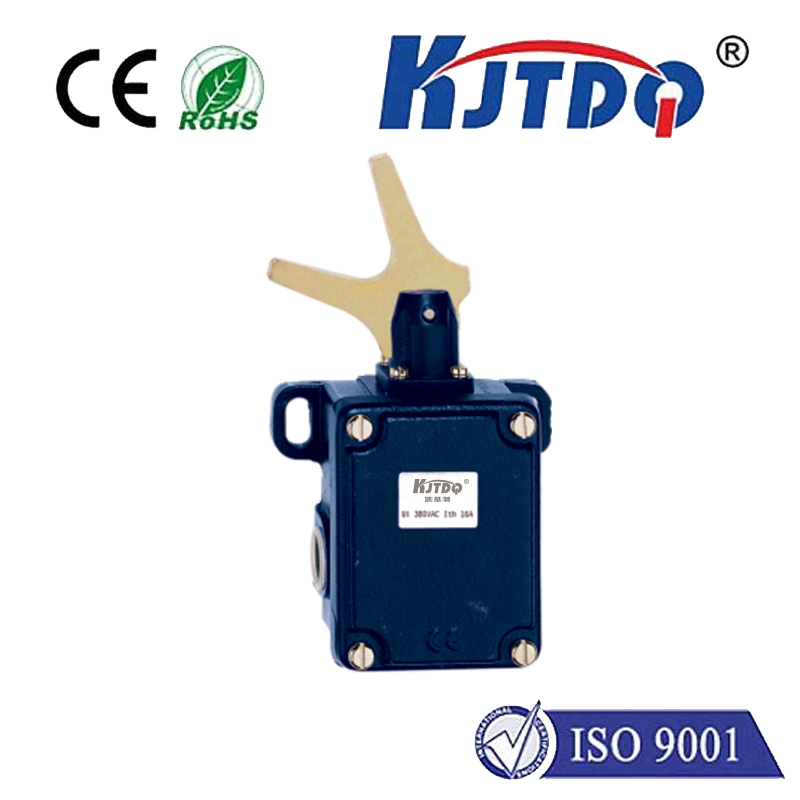
A tilt limit switch, often referred to as a tilt sensor switch or inclination switch, is a specialized safety device designed to detect when an object reaches a predetermined angular position relative to gravity. Unlike complex inertial systems, these switches operate on elegantly simple mechanical or mercury-based principles. Their core function is to trigger an electrical signal when a specific tilt angle is exceeded. This signal acts as a critical input to a control system, instantly initiating a safety response – such as cutting power, activating alarms, or applying brakes – to halt potentially dangerous motion.
How Do They Operate?
Understanding the mechanism is key:
Setpoint Adjustment: Crucially, most tilt limit switches allow precise setting of the activation angle. This is often achieved through calibration screws, physical stops, or adjustable mounting brackets, ensuring the switch triggers exactly at the required degree of tilt for a specific application.
Electrical Switching: When the setpoint angle is reached or exceeded, the internal mechanism changes the state of its electrical contacts (typically SPST or SPDT configurations). This sends a clear “tilt limit reached” signal back to the machine’s control unit (PLC, relay, drive controller).
Safety Response: Upon receiving this signal, the control system executes pre-programmed safety protocols. This is the fundamental safety function: stopping movement before instability occurs.
Where Are Tilt Limit Switches Critical? The Prime Applications
The reliability and simplicity of tilt limit switches make them indispensable across numerous industries:
Choosing the Right Tilt Limit Switch: Key Considerations
Selecting the optimal tilt sensor switch isn’t arbitrary. Several factors are paramount:
The Unseen Lifesaver
Tilt limit switches operate silently in the background, often unnoticed until the moment they prevent disaster. They represent a critical layer of functional safety, embodying the principle of “fail-safe.” By ensuring machinery operates strictly within its geometrically stable boundaries, these devices prevent costly equipment damage, minimize hazardous downtime, and, most importantly, protect human lives. Their robust design, straightforward operation, and proven reliability make them a cornerstone of safety engineering in countless applications where controlling tilt isn’t just desirable – it’s imperative. Integrating and maintaining these vital safety components isn’t merely compliance; it’s a fundamental commitment to operational safety and responsibility.