check

check
check

check
check

check
(Focus Keyword: Elevator Proximity Sensor)
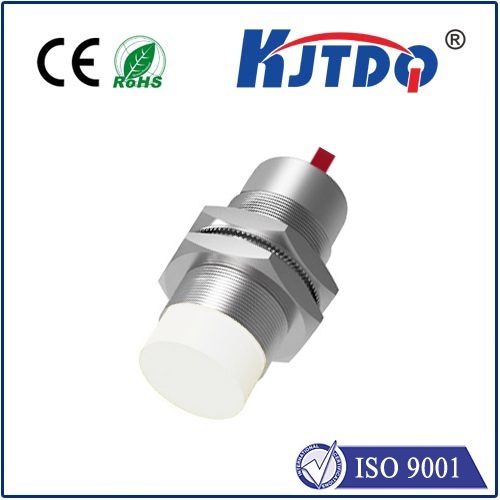
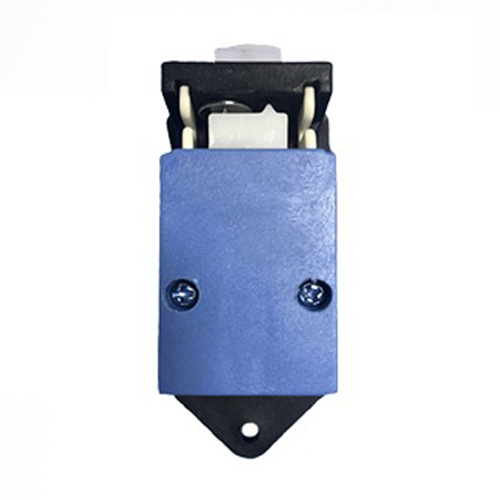
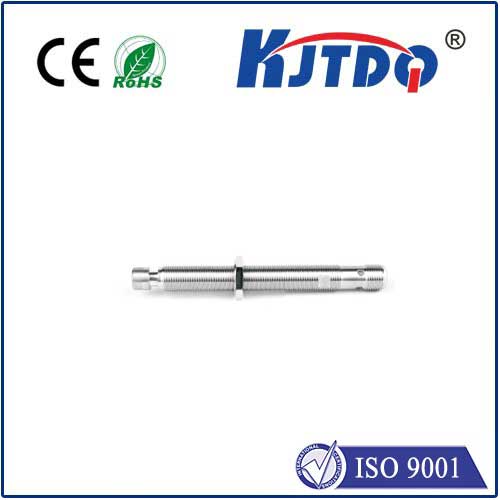
We’ve all experienced it: stepping towards an elevator just as the doors begin to slide shut. Yet, almost magically, they reverse course and open wide. This seemingly simple act – avoiding an uncomfortable or even dangerous pinch – is largely thanks to an unseen hero within the modern elevator system: the elevator proximity sensor. Far more than just a convenience feature, these sophisticated devices are fundamental pillars of passenger safety and operational efficiency, operating silently at the threshold of every journey.
Moving Beyond the Simple Beam: How Proximity Sensors Work
While older systems sometimes relied solely on basic mechanical safety edges (which physically trip upon contact), modern elevator proximity sensors predominantly use non-contact detection methods. The primary technologies involved are:
The Paramount Role: Safety First, Always
The core function of the elevator proximity sensor is uncompromising safety. They act as the primary defense against passengers or objects being caught in closing doors. This prevents:
Elevating Efficiency and User Experience
Beyond safety, elevator proximity sensors significantly enhance operational efficiency and the passenger experience:
Integration and Evolution: The Smart Door System
Modern elevator proximity sensors are rarely standalone devices. They form a critical component of the elevator’s integrated Door Control Unit (DCU). This unit processes inputs from the sensors and makes real-time decisions:
Advancements continue, with sensor fusion (combining multiple types like IR and microwave for redundancy and increased accuracy) and integration with AI for even smarter obstacle recognition and predictive behaviour becoming more prevalent.
The Critical Need for Maintenance
Like any safety-critical component, elevator proximity sensors require regular inspection and maintenance. Dirt, debris, misalignment, or component wear can impair their function. A malfunctioning sensor can lead to doors failing to reopen (safety hazard) or constantly reopening without cause (efficiency and nuisance issue). Regular, professional maintenance by certified technicians is non-negotiable to ensure these silent guardians perform their vital role flawlessly.
A Silent Necessity
The unassuming elevator proximity sensor is a marvel of modern engineering embedded in our daily lives. From preventing painful pinches to enabling the smooth, efficient flow of people in high-rise buildings, its contribution is immense. By reliably detecting presence in the critical doorway zone, these sensors form an indispensable safety net, ensuring every elevator ride begins and ends safely, while simultaneously optimizing the comfort and efficiency of vertical transportation. Their silent vigilance is a foundational element of the safety and reliability we expect – and often take for granted – in every elevator journey.