check

check

check

check
check
check
check
check
check

check
Imagine a robotic arm gliding towards its target with pinpoint accuracy, stopping just millimeters away without any physical contact. Or picture high-speed packaging lines where products zip along a conveyor, counted and sorted flawlessly as they pass unseen checkpoints. This isn’t magic; it’s the everyday reality powered by the unsung heroes of automation: electrical proximity sensors. These compact, reliable devices silently detect the presence or absence of nearby objects, forming the essential sensory foundation for countless modern industrial processes.
How Do Electrical Proximity Sensors Work?
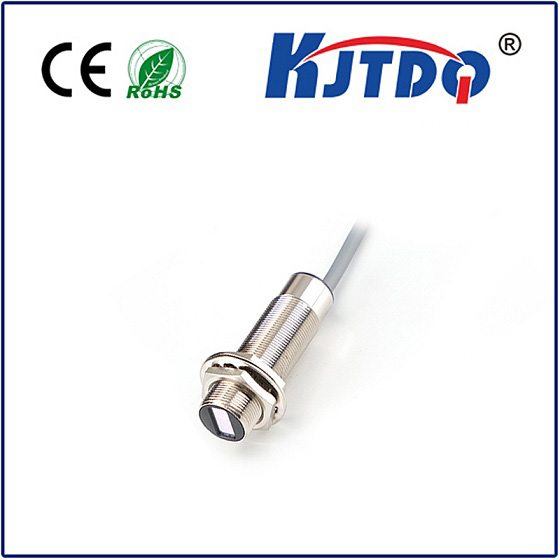
At their core, electrical proximity sensors operate on the principle of electromagnetic induction. The most common type, the inductive proximity sensor, contains an oscillator circuit that generates a high-frequency electromagnetic field emanating from the sensor’s active face. When a metallic target enters this field, it induces tiny electrical currents (eddy currents) within the target material. This disturbance effectively “loads” the oscillator, causing a measurable change – typically a reduction in oscillation amplitude. An internal signal conditioning circuit detects this change and triggers an electronic switch (solid-state output), signaling the presence of the target.
Other types operate on slightly different principles:
Regardless of type, the defining characteristic is non-contact detection. This is critical in environments demanding speed, hygiene, or protection against physical wear and damage.
Ubiquitous Applications Across Industries
The simplicity, reliability, and robustness of electrical proximity sensors make them indispensable across sectors:
The Compelling Advantages: More Than Just Detection
Why choose electrical proximity sensors over mechanical limit switches or other sensing methods?
Key Considerations for Optimal Performance
Selecting and implementing the right proximity sensor requires attention to detail:
The Future is Present
Electrical proximity sensors are neither new nor flashy technology. They represent decades of refinement. Yet, their fundamental role in enabling safe, efficient, and intelligent automation is undeniable. As factories become smarter and processes more demanding, the reliable, non-contact detection offered by proximity sensors remains a cornerstone technology. Their ability to provide instant, robust feedback in challenging environments continues to fuel the evolution of modern manufacturing and countless other industries, proving that sometimes the most powerful solutions are the ones working quietly and reliably in the background.