check
check

check

check
check
check
check
check

check

check
Imagine automating a car wash where jets spray high-pressure water relentlessly. Or controlling a bottling line where spills are inevitable. Perhaps you need reliable detection in a fish farm submerged underwater, or on agricultural equipment battling mud and rain. In countless industrial, marine, and outdoor applications, standard sensors simply fail. Moisture, dust, chemicals, and submersion wreak havoc. This is where the essential role of waterproof proximity sensors comes into sharp focus. These ruggedized marvels bring non-contact detection capability to the most challenging environments, enabling automation and safety where it was previously risky or impossible.
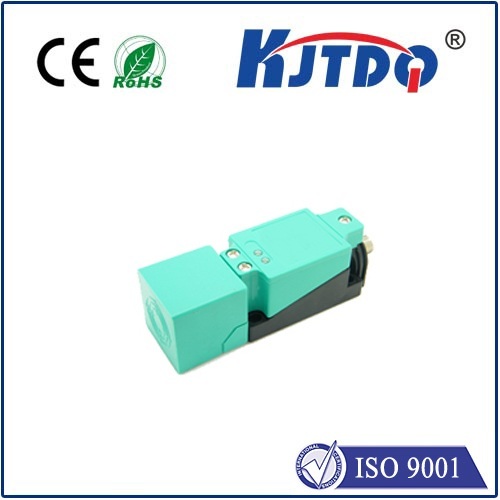
So, what exactly is a waterproof proximity sensor? Fundamentally, it’s a proximity sensor – a device detecting the presence or absence of an object without physical contact (typically using inductive, capacitive, ultrasonic, or photoelectric principles) – encased within a protective housing specifically designed to resist water ingress and often other environmental contaminants. The “waterproof” designation isn’t arbitrary; it hinges on internationally recognized IP (Ingress Protection) ratings that quantify the level of sealing.
This specialized sealing is achieved through meticulous engineering: robust housing materials like corrosion-resistant stainless steel (e.g., 303, 304, 316L) or engineering plastics like PBT, coupled with high-quality seals and gaskets. Crucially, the sensing face is protected without compromising detection performance. Non-contact operation remains paramount, eliminating mechanical wear and tear while providing fast, reliable detection crucial for high-speed processes or safety interlocks.
The applications where waterproof proximity sensors shine are diverse and critical:
Choosing the right waterproof proximity sensor involves several key considerations beyond just the IP rating:
The impact of integrating ruggedized sensing solutions like waterproof proximity sensors is profound. They translate to reliability – drastically reduced downtime caused by sensor failure in wet conditions. They deliver longevity – surviving environments that quickly degrade standard sensors, leading to lower replacement costs. They enhance safety – enabling machinery to operate safely near water or with moving parts in contaminated areas. And critically, they unlock automation potential in sectors previously hindered by environmental challenges, boosting efficiency and productivity. From ensuring a bottle is filled correctly on a wet line to guaranteeing a pump doesn’t run dry underwater, the waterproof proximity sensor is an indispensable component making the impossible possible in our demanding world.