check
check

check

check
check
check
check
check

check

check
Accurate level measurement isn’t just a convenience; it’s a critical pillar of safety, efficiency, and quality control across countless industries. From preventing hazardous overflows in chemical tanks to ensuring consistent recipe proportions in food processing, knowing exactly how much is inside a vessel is paramount. While numerous technologies exist, the inductive level sensor stands out as a robust, reliable, and versatile solution, particularly where traditional methods falter. This guide delves into how these sensors work, their key advantages, and where they shine brightest.
Unveiling the Core Principle: Electromagnetic Detection
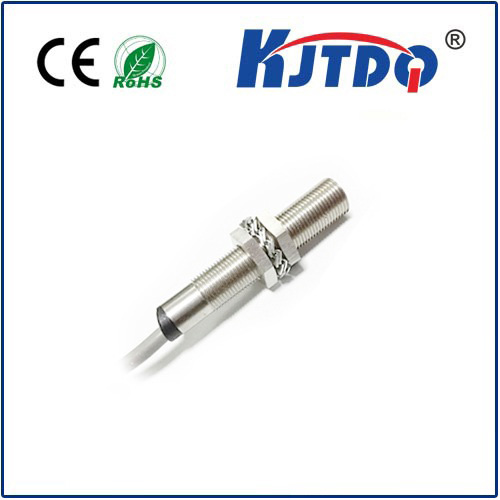
At its heart, an inductive level sensor leverages the fundamental laws of electromagnetism. It consists primarily of a sensing probe (often a rod or cable) containing a coil. When an alternating electrical current flows through this coil, it generates a high-frequency electromagnetic field around the probe. This field extends into the surrounding area.
The magic happens when this electromagnetic field interacts with a conductive medium – typically the liquid or bulk solid whose level needs measuring. When the conductive medium enters the sensing field, it induces small, swirling electrical currents within the material itself, known as eddy currents.
The creation of these eddy currents draws energy from the sensor’s electromagnetic field. This energy loss causes a measurable change in the electrical characteristics of the coil within the probe – specifically, a shift in its inductance or oscillation amplitude/damping. Sophisticated electronics within the sensor’s circuitry continuously monitor this change. Crucially, the magnitude of the change corresponds directly to the amount of the conductive medium present within the sensing field, effectively translating this change into a precise level measurement signal (e.g., switch point activation or proportional output).
Why Choose Inductive: The Compelling Advantages
Inductive level sensors offer a distinct set of benefits that make them indispensable in demanding industrial settings:
Where Inductive Sensors Truly Shine: Key Applications
Given their strengths, inductive level sensors are the preferred choice in numerous challenging scenarios:
Selecting the Right Inductive Sensor: Key Considerations
To maximize performance, consider these factors when specifying an inductive level sensor:
Embracing Precision Without Contact
The inductive level sensor remains a cornerstone technology in the industrial measurement landscape. Its elegant blend of non-contact operation, rugged reliability, and resilience in the face of extreme temperatures, pressures, and challenging media makes it an often irreplaceable solution. For applications demanding robust and dependable detection or measurement of conductive liquids and bulk solids, particularly where other technologies struggle with buildup, wear, or harsh conditions, the inductive principle delivers consistent and trustworthy results. By understanding its core operation, strengths, and optimal applications, engineers and technicians can leverage this versatile sensor to enhance process safety, efficiency, and control.