check
check

check

check
check
check
check
check

check

check
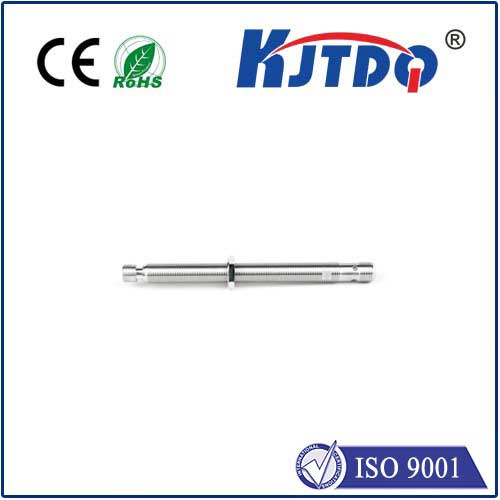
Imagine a world where machines operate blindly, unable to sense the presence of components whizzing by on a high-speed assembly line. Collisions would be frequent, positioning errors rampant, and quality control impossible. Thankfully, the unassuming proximity sensor, particularly models with a 4mm sensing range, acts as the essential “eyes” for countless automated systems. These compact marvels deliver unmatched precision in short-range detection, proving that great sensitivity often comes in small packages. This article delves into the world of the 4mm proximity sensor, exploring its workings, critical applications, and why it’s a cornerstone of reliable industrial automation.
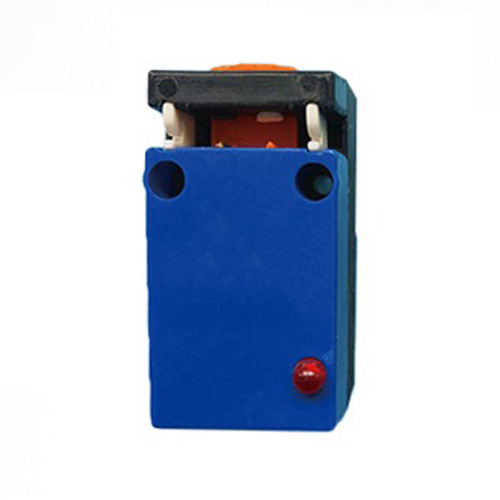
At its core, a proximity sensor detects the physical presence of an object without any physical contact – hence the term non-contact sensing. While various technologies exist (inductive, capacitive, photoelectric), inductive proximity sensors are exceptionally common in industrial settings, especially those specified with a 4mm range. These sensors generate an electromagnetic field around their active face. When a metallic target enters this field – specifically, within approximately 4mm of the sensor face – it induces eddy currents within the target, causing a detectable change in the sensor’s internal oscillation circuit. This change triggers the sensor’s electronic switch.
The magic of a 4mm proximity sensor lies in its compact size combined with this defined short-range detection capability. This specific range is meticulously chosen for applications where:
These attributes make the 4mm proximity sensor indispensable across numerous industries. Let’s explore key applications:
Beyond the “4mm”: Key Features and Benefits
While the sensing distance defines its niche, a high-quality 4mm proximity sensor offers more:
Choosing the Right 4mm Proximity Sensor: Several factors influence the optimal choice:
The 4mm proximity sensor is far more than just a component; it’s a critical enabler of precision and reliability in a world demanding ever-smaller, faster, and smarter manufacturing. Its compact size, defined short-range accuracy, and robust non-contact operation make it uniquely suited for applications where space is constrained, targets are small, and dependable detection is paramount. From ensuring the tiniest electronic component is present to safeguarding high-speed packaging lines, this miniature powerhouse plays a mega role in the seamless and efficient operation of modern industry. Understanding its capabilities and specifications is key to unlocking its full potential in optimizing automated processes.