check

check

check

check

check

check
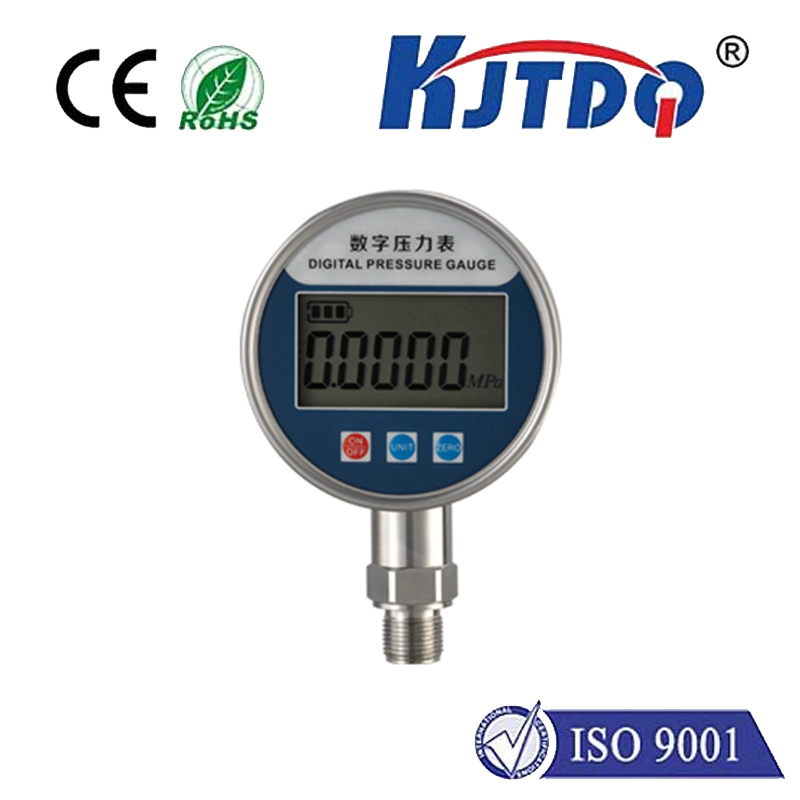
In the complex and often unforgiving world of industrial automation, the reliability of every component is paramount. Among these critical components, proximity sensors play a vital role in detecting the presence or absence of objects without physical contact. When operating environments involve extreme pressures, standard sensors fall short. This is where specialized high-pressure proximity sensors, such as the KJTDQ series models XP FL2F-4J6D-R and FL2F-4K6-R, become indispensable engineering solutions.
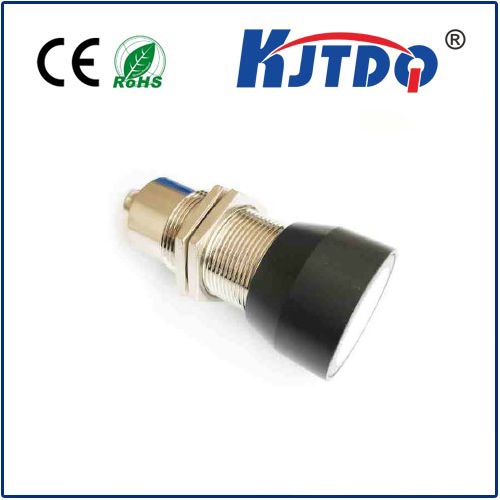
The core challenge in high-pressure environments—common in hydraulic systems, deep-sea equipment, oil and gas extraction, and high-pressure die-casting—is the immense stress exerted on equipment housings and sensing elements. A standard inductive or capacitive sensor might malfunction, suffer seal failure, or provide inaccurate readings under such duress. The XP FL2F-4J6D-R and FL2F-4K6-R sensors are engineered from the ground up to withstand these conditions. Their robust construction typically involves stainless steel housings rated for specific pressure thresholds, advanced sealing technologies like multiple O-rings or welded seals, and reinforced internal components that resist deformation. This ensures not only continued operation but also maintains the sensor's precision and repeatability, which are crucial for process control and safety interlocks.
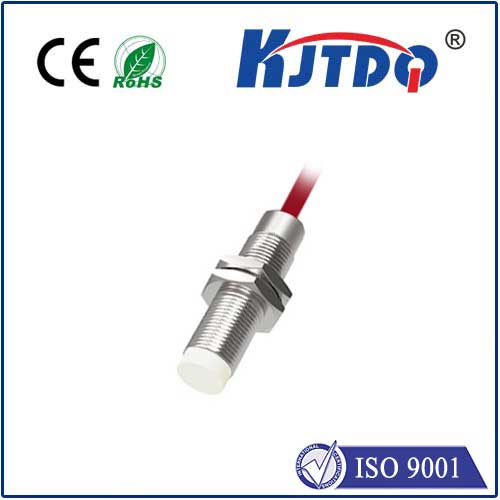
Focusing on the specific models, the XP FL2F-4J6D-R often denotes a particular form factor, sensing range, output configuration, and connection type. The "FL2F" likely indicates a cylindrical, flush-mountable design, allowing it to be installed without a gap, thereby protecting it from mechanical damage in tight spaces. The "4J6D" and "4K6" codes usually specify key electrical and functional parameters. These can include the operating voltage (e.g., 10-30V DC), output type (likely a digital PNP or NPN transistor switch), and whether it is normally open or closed. The "-R" suffix frequently signifies a pre-wired connector with a flexible cable, simplifying installation and enhancing resistance to vibration compared to plug-style connectors. Understanding these codifications is essential for engineers to select the exact sensor that matches their voltage supply, control system input requirements, and physical installation constraints.
The application advantages of deploying the KJTDQ high-pressure proximity sensors are substantial. First and foremost is enhanced system reliability and uptime. By using a sensor specifically designed for high pressure, facilities can drastically reduce unscheduled downtime caused by sensor failure. This leads to improved overall equipment effectiveness (OEE). Secondly, they contribute significantly to safety. In systems where overpressure or component failure can be hazardous, a reliable sensor provides critical data to control systems, enabling automatic shutdowns or alerts to prevent accidents. Furthermore, their durability translates into a lower total cost of ownership. Despite a potentially higher initial investment compared to standard sensors, their extended service life and reduced maintenance needs offer considerable long-term savings.
Typical installation scenarios for these sensors are as demanding as their specifications. They are perfectly suited for monitoring piston position within high-pressure hydraulic cylinders, ensuring precise control of heavy machinery. In subsea applications, they can detect valve positions or equipment status at great depths. Within chemical processing plants, they monitor actuators on high-pressure valves and pumps, containing often corrosive or dangerous fluids. The flush-mount design of models like the FL2F makes them ideal for applications where space is limited or where protruding sensors could be sheared off by passing machinery or materials.
When integrating the XP FL2F-4J6D-R or FL2F-4K6-R into a system, several best practices should be followed. Always verify the sensor's pressure rating against the maximum system pressure, including potential pressure spikes. Ensure the installation site is clean and the mounting threads are properly sealed according to specifications to prevent leak paths. Pay close attention to the electrical connections, matching the sensor's output type to the PLC or controller input module. Regular functional testing as part of a preventive maintenance schedule is recommended to confirm ongoing performance, even though these sensors are built for longevity.
In conclusion, for engineers and system integrators facing the challenges of automation under high pressure, generic sensing solutions are a significant risk. The KJTDQ series, exemplified by the XP FL2F-4J6D-R and FL2F-4K6-R high-pressure proximity sensors, provides a targeted, robust, and reliable answer. Their specialized design ensures accurate object detection, maintains system integrity, and safeguards both personnel and capital-intensive equipment. Selecting the correct high-pressure sensor is not merely a component choice; it is a strategic decision for operational resilience, safety compliance, and long-term productivity in the most demanding industrial environments.