check

check

check

check

check

check
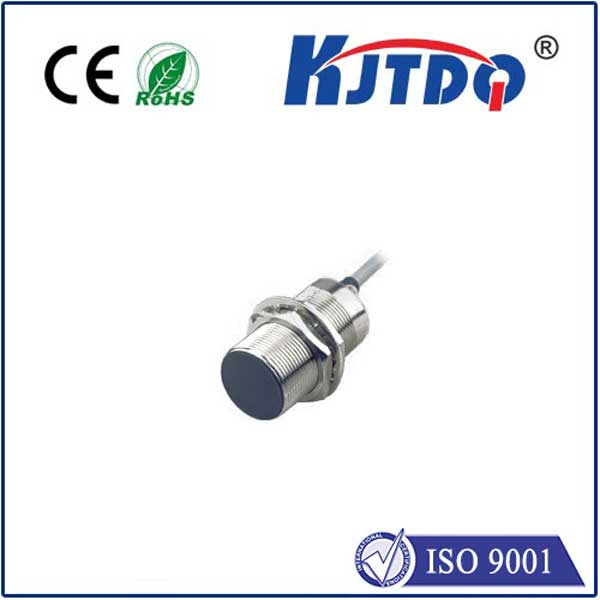
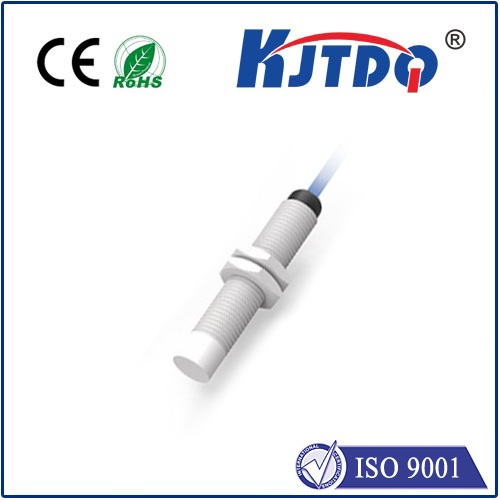
In the heart of modern industrial automation, where precision and reliability are non-negotiable, the BES516-300-S135-S4-D High Pressure proximity sensor stands as a cornerstone of operational excellence. This sensor is engineered to thrive in environments where standard sensors would falter, offering unparalleled performance in high-pressure washdown, hydraulic systems, and heavy-duty machinery. Its robust construction and advanced sensing technology make it an indispensable component for engineers and maintenance professionals seeking to enhance system uptime and safety.
The defining feature of the BES516-300-S135-S4-D is its exceptional resilience to high-pressure conditions. The housing is meticulously sealed to withstand pressures up to 500 bar, protecting the sensitive internal electronics from ingress of water, oils, and coolants. This makes it perfectly suited for applications in metalworking, plastic injection molding, and offshore equipment, where exposure to harsh fluids and intense cleaning cycles is a daily reality. Unlike conventional sensors that may degrade or fail under such stress, the BES516-300-S135-S4-D maintains consistent and accurate detection, ensuring continuous process control.
At its core, the sensor utilizes a high-performance inductive sensing principle. The "S135" designation indicates a sensing range of up to 135mm, allowing for flexible installation and reliable detection of metallic targets even with significant positional variance. This extended range is critical for monitoring piston positions in hydraulic cylinders or detecting the presence of large machine parts without requiring precise alignment. The "S4" output provides a stable 4-20 mA analog signal, delivering continuous data on the target's position rather than a simple on/off switch. This analog feedback is invaluable for precise control systems, enabling operators to monitor speed, position, or fill levels with high resolution.
Durability is further reinforced by the sensor's stainless-steel face and body, providing superior resistance to mechanical impacts, corrosion, and extreme temperatures. The electrical connection is secured via a rugged M12 connector, ensuring a vibration-proof and reliable link to the control system. This design philosophy minimizes maintenance intervals and replacement costs, directly contributing to a lower total cost of ownership over the sensor's extended lifecycle.
Integration into existing automation networks is straightforward. The BES516-300-S135-S4-D is compatible with all major PLC (Programmable Logic Controller) brands and industrial communication protocols. Its robust design inherently reduces electromagnetic interference (EMI), guaranteeing signal integrity even in electrically noisy environments typical of manufacturing plants. For system integrators, this translates to faster commissioning times and reduced risk of false triggers that can lead to costly production stoppages.
Real-world applications demonstrate its critical role. In a automotive stamping press, it reliably monitors hydraulic ram position under immense pressure, preventing over-travel and potential damage. Within a food and beverage processing line, it withstands daily high-pressure, high-temperature cleaning (CIP - Clean-in-Place) while accurately detecting valve positions. For wind turbine manufacturers, it ensures the precise control of hydraulic pitch systems, operating flawlessly in challenging outdoor conditions. In each scenario, the sensor delivers the reliability needed to protect capital investment and ensure personnel safety.
Selecting the right sensor for high-pressure applications requires careful consideration. The BES516-300-S135-S4-D addresses key factors: pressure rating, chemical resistance, sensing range, output signal type, and environmental protection (IP rating). Its design explicitly meets these challenges, offering a certified and proven solution that reduces engineering uncertainty. By choosing this sensor, operations managers and plant engineers invest in a component that delivers consistent performance, reduces unplanned downtime, and safeguards complex machinery from catastrophic failure. It represents not just a sensor, but a strategic asset for building resilient and efficient industrial operations.