ตรวจสอบ

ตรวจสอบ
ตรวจสอบ

ตรวจสอบ
ตรวจสอบ

ตรวจสอบ
ตรวจสอบ
ตรวจสอบ
ตรวจสอบ
ตรวจสอบ
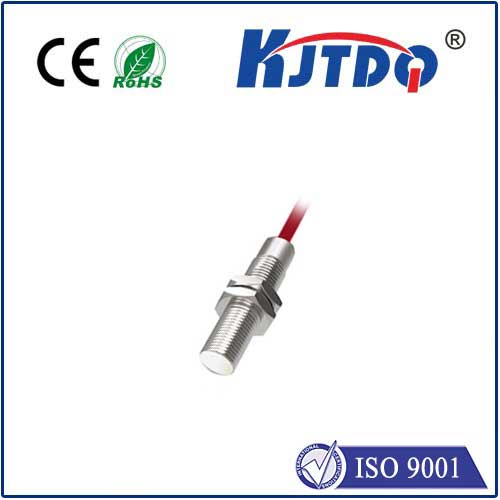
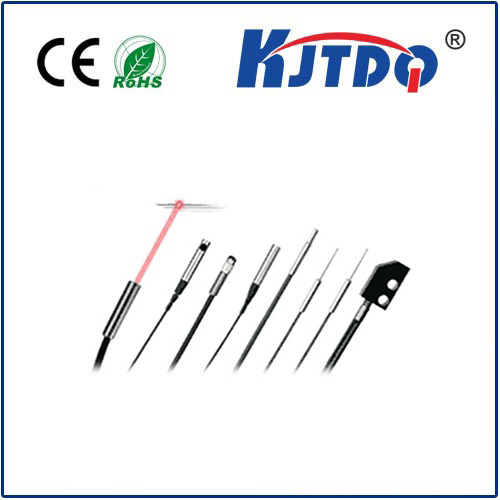
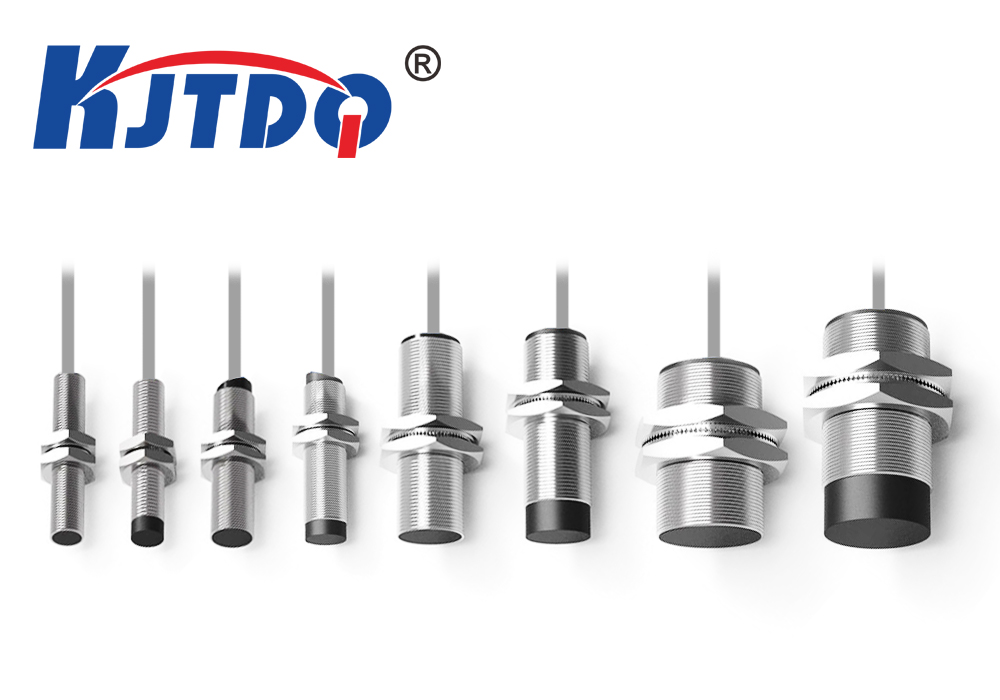
A เซ็นเซอร์ความใกล้ชิด is a device that senses and responds by sensing the distance, ความใกล้ชิดและตำแหน่งของวัตถุ. ดูดh เซนเซอร์s can be used in การประยุกต์ใช้งานs ดูดh as marking, การตรวจจับวัสดุ, security and non-destructive การทดสอบing. คอมpared with traditional contact detection methods, เซ็นเซอร์ความใกล้ชิดs have many ข้อดีs, and this article will introduce their ข้อดีs in detail.
แรก, เนื่องจากการตรวจจับสามารถดำเนินการได้โดยไม่ติดต่อ, ไม่มีการสึกหรอและความเสียหายต่อวัตถุตรวจจับ. This is ideal for situations where ยาว-term, จําเป็นการตรวจจับวัตถุโดยไม่ต้องหยุดหยุด. เนื่องจากการสัมผัสก่อให้เกิดการสึกหรอทางกลไก, ภาระนี้ได้รับการบรรเทา, thereby extending บริการ life (except for magnetic ประเภทs); ในขณะที่ใช้เอาท์พุตเซมิคอนดักเตอร์ไม่มีผลต่ออายุการติดต่อ.
ที่สอง, unlike ออปติคัล detection methods, the เซนเซอร์ can be used in different environments ดูดh as water and น้ำมัน, และจะไม่ได้รับผลกระทบจากการมีคราบ, น้ำมัน, ความชื้นและสารอื่น ๆ บนพื้นผิวของวัตถุที่ตรวจพบ. นอกจากนี้, there are some Teflon shell-ประเภท ผลิตภัณฑ์s with good chemical stability. นอกจากนี้, due to the สูง-ความเร็ว response, the corresponding working ความเร็ว can be selected, ทำให้เหมาะสำหรับโอกาสที่หลากหลาย. At the same เวลา, คอมpared with contact สวิตช์es, สูงer-ความเร็ว response can be achieved to adapt to faster ผลิตภัณฑ์ion line use.
นอกจากนี้, unlike other เซนเซอร์s, the detection of the เซ็นเซอร์ความใกล้ชิด will not be affected by factors ดูดh as the สี of the surface of the detected object. It can detect changes in the physical properties of objects and is therefore almost unaffected by surface สี, ฯลฯ.
ในที่สุด, เซ็นเซอร์ความใกล้ชิดs also have certain limitations. Since it is greatly affected by the environment and interacts with similar เซนเซอร์s ดูดh as inductive and เซนเซอร์ความจุs, รวมถึงอิทธิพลของวัตถุรอบๆ, the เซนเซอร์ settings should consider the mutual influence. ในหมู่พวกเขา, the inductive ประเภท needs to consider the influence of surrounding metal, while the capacitive ประเภท needs to consider the influence of surrounding objects. นอกจากนี้, for inductive and capacitive ประเภทs, อิทธิพลร่วมกันยังต้องการความสนใจพิเศษ.
When selecting a เซ็นเซอร์ความใกล้ชิด, parameters ดูดh as เซนเซอร์ ประเภท, ขนาด, ระยะการตรวจจับ, and sensitivity need to be considered based on the specific การประยุกต์ใช้งาน. นอกจากนี้, when installing and using เซนเซอร์s, you also need to folต่ำ some basic principles, ดูดh as keeping a certain distance between the เซนเซอร์ and the detection object duแหวน installation to avoid mutual interference. นอกจากนี้, since the เซ็นเซอร์ความใกล้ชิด is a สูง-precision detection device, it needs to be reasonably protected duแหวน use to avoid damage and affecting the detection effect.
เพื่อสรุป, in many การประยุกต์ใช้งาน fields, เซ็นเซอร์ความใกล้ชิดs play a very important role. พวกเขาสามารถช่วยบรรลุอัตโนมัติและหุ่นยนต์ได้, improve ผลิตภัณฑ์ion efficiency, และลดอัตราการแทรกแซงและความผิดพลาดด้วยมือ. By understanding the ข้อดีs and limitations of เซ็นเซอร์ความใกล้ชิดs, ดูดh เซนเซอร์s can be better selected and applied to achieve better results.