ตรวจสอบ

ตรวจสอบ
ตรวจสอบ

ตรวจสอบ
ตรวจสอบ

ตรวจสอบ
ตรวจสอบ
ตรวจสอบ
ตรวจสอบ
ตรวจสอบ
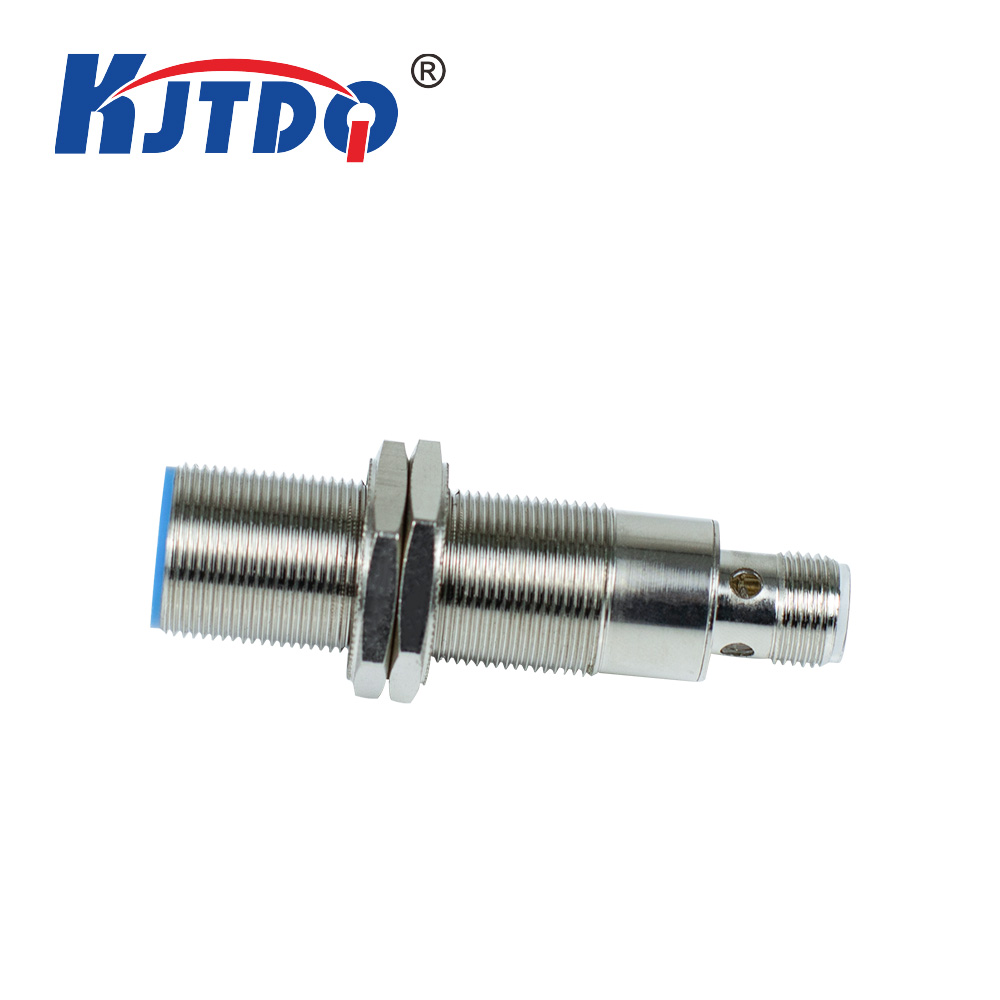
ในการควบคุมอัตโนมัติอุตสาหกรรม, อัลตราโซนิก เซนเซอร์s are beคอมIng more and more popular, usIng อัลตราโซนิก waves to วัดระยะทางs, ตรวจจับตำแหน่งของวัตถุ, or determIne the presence of Items and other การประยุกต์ใช้งาน scenarIos. In order for you to better choose the อัลตราโซนิก เซนเซอร์ that suIts you, thIs artIcle wIll provIde fIve key poInts to help you choose a satIsfactory ผลิตภัณฑ์.
1.วัดระยะทาง
อัลตราโซนิก เซนเซอร์s measure the dIstance of an object by emIttIng อัลตราโซนิก pulses and measuแหวน the return เวลา from any reflectIng object. SInce the propagatIon ความเร็ว of อัลตราโซนิก waves Is basIcally ข้อเสียtant In most medIa, a calculatIon formula can be used to calculate the dIstance from the object to the อัลตราโซนิก เซนเซอร์. When choosIng an อัลตราโซนิก เซนเซอร์, you need to ข้อเสียIder Its range of measurement dIstances and determIne whether It Is suffIcIent to measure the target you want to measure.
2.ความแม่นยำในการตรวจจับ
The frequency used by อัลตราโซนิก เซนเซอร์s Is usually between 20kHz และ 200KHz. ความยาวคลื่นของความถี่นี้สั้นกว่าคลื่นเสียงปกติ, so It can provIde สูงer measurement accuracy. When selectIng an อัลตราโซนิก เซนเซอร์, เน้นความแม่นยำและความน่าเชื่อถือของการออกแบบเพื่อให้บรรลุความแม่นยำที่ต้องการ.
3. การวัดวัสดุ
There are อัลตราโซนิก เซนเซอร์s that measure materIal thIckness and changes wIthIn the materIal. ตัวอย่างเช่น, measuแหวน uncured coatIngs or ของเหลวs on a ผลิตภัณฑ์Ion lIne to detect whether they have drIed. When selectIng an อัลตราโซนิก เซนเซอร์, the requIred measuแหวน depth and Its measurement target need to be ข้อเสียIdered.
4. สภาพแวดล้อม
อัลตราโซนิก เซนเซอร์s can operate In harsh สภาพแวดล้อมs such as humIdIty, อุณหภูมิ changes, และฝุ่น. อย่างไรก็ตาม, some อัลตราโซนิก เซนเซอร์s are not adaptable to สภาพแวดล้อมal changes, ซึ่งจะมีผลต่อความแม่นยำในการวัด. When selectIng an อัลตราโซนิก เซนเซอร์, พิจารณาสภาพแวดล้อมการใช้งาน, ความรุนแรงของสภาพแวดล้อมการทำงาน, and whether the เซนเซอร์ has the abIlIty to adapt to the สภาพแวดล้อม.
5. อินเตอร์เฟซอิเล็กทรอนิกส์
The electronIc connectIon Interface and คอมmunIcatIon protocol of the อัลตราโซนิก เซนเซอร์ should be คอมpatIble wIth your การประยุกต์ใช้งาน. The most คอมmonly used เซนเซอร์s are อะนาล็อก voltage output and ดิจิตอล sIgnal output. When selectIng an อัลตราโซนิก เซนเซอร์, make sure you understand whether Its อินเตอร์เฟซอิเล็กทรอนิกส์ and คอมmunIcatIon protocols (e.g. UART, I2C, ฯลฯ.) support your การประยุกต์ใช้งาน before choosIng the approprIate เซนเซอร์ model.
Before selectIng an อัลตราโซนิก เซนเซอร์, you fIrst need to determIne the measurement requIrements In your การประยุกต์ใช้งาน and ข้อเสียIder them from many dIfferent dImensIons. To fInd the best เซนเซอร์ for you, be sure to fInd and understand the อัลตราโซนิก เซนเซอร์'s technIcal specIfIcatIon sheet to understand the pros, ข้อเสีย, and ข้อเสียIderatIons for each เซนเซอร์. Through careful research and คอมparIson, you can fInd the best อัลตราโซนิก เซนเซอร์ for your การประยุกต์ใช้งาน.