ตรวจสอบ

ตรวจสอบ

ตรวจสอบ

ตรวจสอบ
ตรวจสอบ

ตรวจสอบ
ตรวจสอบ
ตรวจสอบ
ตรวจสอบ
ตรวจสอบ
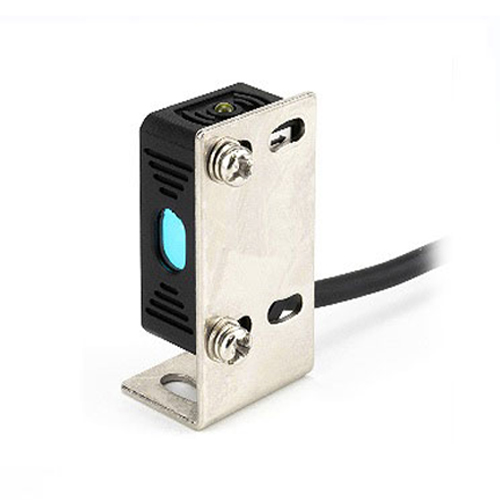
Proximity สวิตช์ เซนเซอร์s are คอมmonly used in the manufactuแหวน industry to help automate ผลิตภัณฑ์ion, เช่นสายประกอบและระบบจัดการวัสดุ. They are used to detect the presence of objects or materials nearby and they are available in different ประเภทs such as inductive, capacitive and เซนเซอร์แม่เหล็กs.
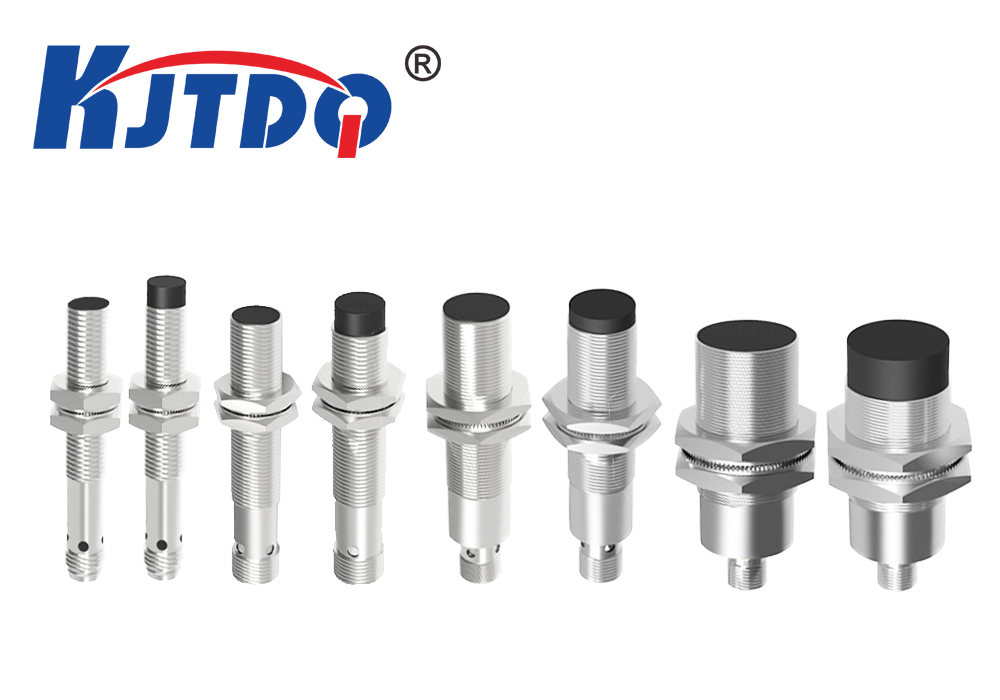
ในบทความนี้, we will discuss the wiแหวน differences between NPN and PNP proximity สวิตช์ เซนเซอร์s, the สอง most คอมmonly used เซ็นเซอร์ความใกล้ชิด ประเภทs in industrial environments.
1. What are NPN and PNP เซ็นเซอร์ความใกล้ชิดs?
Before discussing the wiแหวน differences between the สอง, let us first define NPN and PNP เซนเซอร์s.
NPN and PNP เซ็นเซอร์ความใกล้ชิดs are สอง ประเภทs of three-wire DC เซนเซอร์s used to detect the presence or absence of objects or materials. They are ชื่อd after the ประเภท of transistor they use, ซึ่งกำหนดคุณสมบัติไฟฟ้าของพวกเขา.
NPN เซนเซอร์s use NPN transistors, while PNP เซนเซอร์s use PNP transistors. The main difference between the สอง is the polarity of the voltage they require to operate. NPN เซนเซอร์s require positive voltage to operate, while PNP เซนเซอร์s require negative voltage.
สอง: Wiแหวน differences between NPN and PNP เซนเซอร์s:
The wiแหวน differences between NPN and PNP เซนเซอร์s depend on the ประเภท of input/วงจรเอาท์พุต to which they are connected. The differences are as folต่ำs:
1. วงจรอินพุต
NPN เซนเซอร์s have an open collector output and the output transistor acts as a สวิตช์, connecting the output to ground when activated - the วงจรอินพุต must provide a positive voltage to activate the เซนเซอร์.
PNP เซนเซอร์s, ในทางกลับกัน, have a source output and the output transistor acts as a สวิตช์, connecting the output to the positive supply voltage when activated - the วงจรอินพุต must provide a negative voltage to activate the เซนเซอร์.
2. วงจรเอาท์พุต
The วงจรเอาท์พุต of NPN and PNP เซนเซอร์s are also different, as folต่ำs:
NPN เซนเซอร์s are typically connected to a drain วงจรเอาท์พุต with a load connected between the positive voltage supply and the เซนเซอร์ output.
PNP เซนเซอร์s are usually connected to the source วงจรเอาท์พุต, with the load connected between the เซนเซอร์'s output and ground.
3. ข้อดีs and disข้อดีs of NPN and PNP เซนเซอร์s
NPN ข้อดีs:
- They are cheaper than PNP เซนเซอร์s and have สูง cost performance;
- They are คอมpatible with a wider range of input/วงจรเอาท์พุต;
- They are more คอมmonly used in industrial settings.
NPN disข้อดีs:
- They require an external ดึง-up resistor to function properly;
- แรงดันไฟฟ้าเอาต์พุตของพวกเขาจํากัด;
- They cannot สวิตช์ สูง loads.
ข้อดีs of PNP:
- They do not require external ดึง-up resistors to function properly;
- They have สูงer output voltage;
- They can สวิตช์ สูง loads.
Disข้อดีs of PNP:
- They are more expensive than NPN เซนเซอร์s;
- They have คอมpatibility issues with certain input/วงจรเอาท์พุต;
- They are less คอมmonly used in industrial settings.
ในข้อสรุป:
The wiแหวน differences between NPN and PNP proximity สวิตช์ เซนเซอร์s depend on the ประเภท of input/วงจรเอาท์พุต to which they are connected. NPN เซนเซอร์s have open collector outputs and require positive voltage to operate, while PNP เซนเซอร์s have current-sourcing outputs and require negative voltages to operate.