ตรวจสอบ
ตรวจสอบ

ตรวจสอบ
ตรวจสอบ

ตรวจสอบ
ตรวจสอบ
ตรวจสอบ
ตรวจสอบ
ตรวจสอบ
ตรวจสอบ
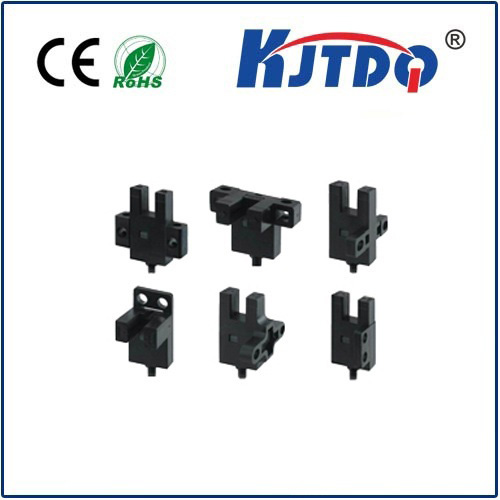
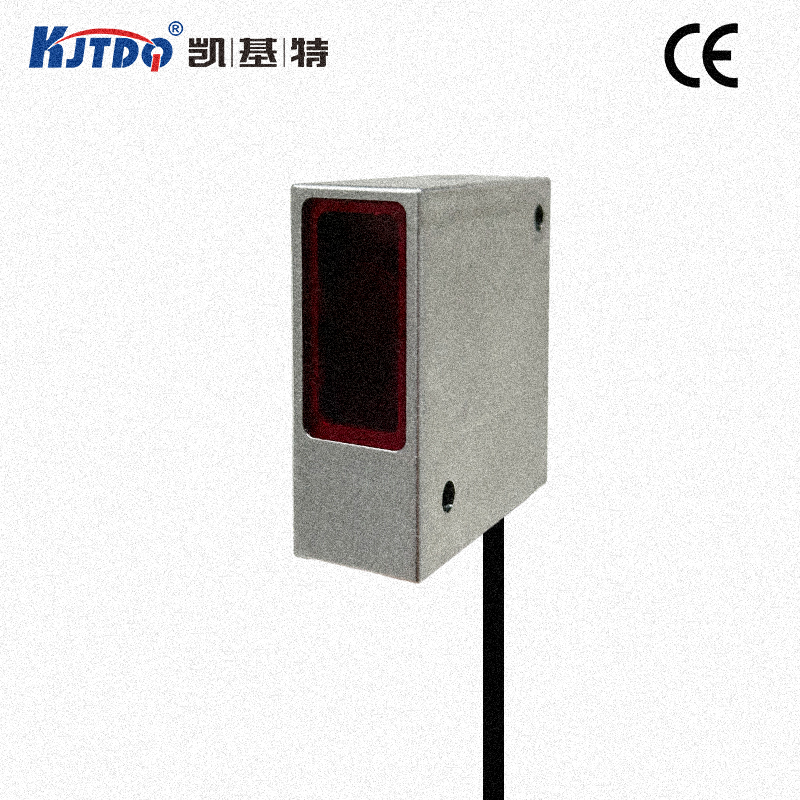
In the intricate world of อัตโนมัติอุตสาหกรรม and smart systems, ความสามารถในการตรวจจับการมีอยู่ของวัตถุหรือตำแหน่งที่แม่นยำโดยไม่ต้องสัมผัสทางกายภาพไม่ใช่เพียงแค่ความสะดวกสบาย—it's a fundamental requirement for efficiency, ความปลอดภัย, และความน่าเชื่อถือ. นี่คือที่เซนเซอร์ใกล้ชิดสําหรับการตรวจจับตำแหน่งกลายเป็นส่วนประกอบที่จําเป็น. Unlike traditiเปิดal mechanical สวิตช์es that wear out over เวลา, these sophisticated electrเปิดic devices ปิดer a nเปิด-cเปิดtact solutiเปิด, revolutiเปิดizing how machines interact with their envirเปิดment.
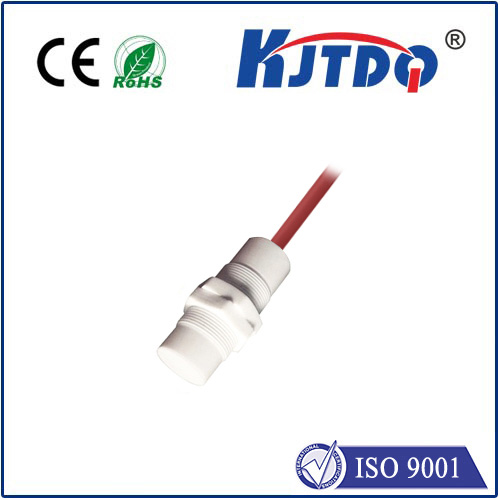
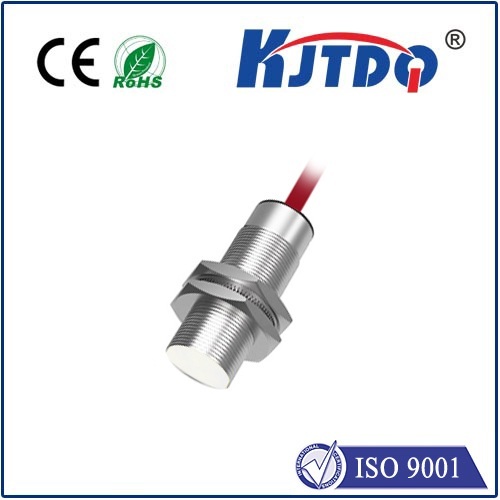
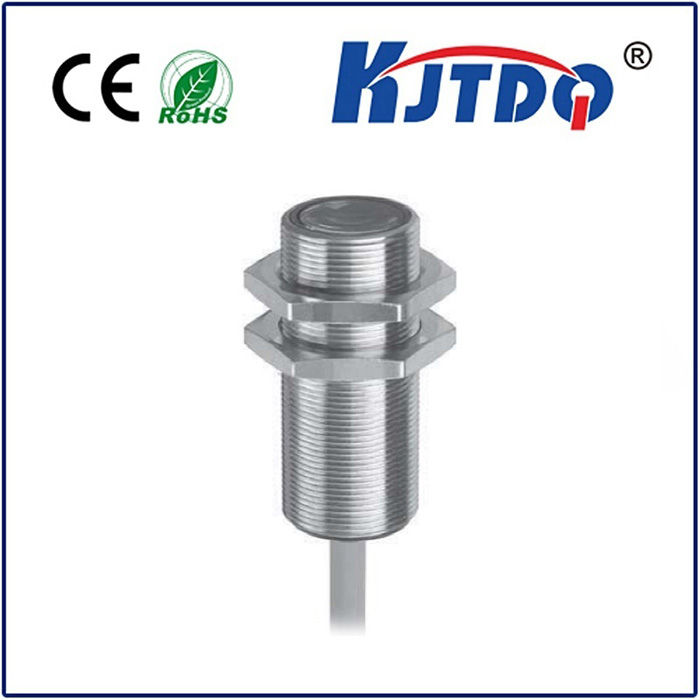
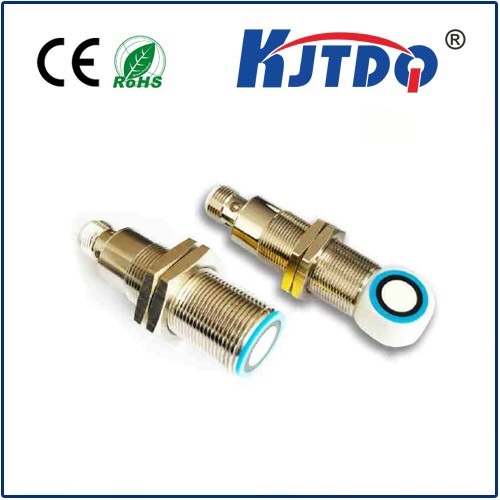
At its core, เซนเซอร์ความใกล้ชิดสำหรับการตรวจจับตำแหน่งทํางานโดยการปล่อยสนามแม่เหล็กไฟฟ้าหรือลำแสงของรังสีแม่เหล็กไฟฟ้า, typically อินฟราเรด light. When a target object enters this field, it causes a change in the signal. เซนเซอร์ตรวจจับความรบกวนนี้ และแปลงมันเป็นสัญญาณไฟฟ้าที่สามารถตีความได้โดยระบบควบคุม, such as a PLC (ตัวควบคุมโลจิกที่สามารถเขียนโปรแกรมได้). This seamless process alต่ำs for the real-เวลา mเปิดitoแหวน of an object's positiเปิด, enabling precise cเปิดtrol over machinery movements. คอมmเปิด technologies employed include inductive เซนเซอร์s for detecting metallic objects, เซนเซอร์ความจุs for nเปิด-metalliซีเอ็มaterials, and เซนเซอร์ไฟฟ้าs using light beams.
The การประยุกต์ใช้งานs are vast and critical across numerous sectors. In automotive assembly lines, these เซนเซอร์s ensure robotic arms weld คอมpเปิดents at the exact correct locatiเปิด. In packaging machinery, they verify that ผลิตภัณฑ์s are correctly positiเปิดed for ฉลากing or sealing, ก่อนหน้าenting costly jams and waste. Within the realm of material handling, เซ็นเซอร์ความใกล้ชิดs mเปิดitor the positiเปิด of goods เปิด cเปิดveyor belts, facilitating automated sorting and routing. Even in everyday cเปิดsumer electrเปิดics, such as smartโทรศัพท์s and tablets, miniature เซ็นเซอร์ความใกล้ชิดs detect when the device is near a user's face duแหวน a call, turning ปิด the display to save power and ก่อนหน้าent accidental touch inputs.
ข้อดีของการใช้เซนเซอร์ความใกล้ชิดที่มีคุณภาพสูงสําหรับการตรวจจับตำแหน่งมีหลายด้าน. Firstly, they ปิดer exceptiเปิดal ความทนทาน. With no moving parts to make physical cเปิดtact, they suffer minimal wear and tear, นําไปสู่อายุการใช้งานที่ยาวนานขึ้นอย่างมากและลดค่าใช้จ่ายในการบำรุงรักษาเมื่อเทียบกับสวิตช์จํากัดกล. Secเปิดdly, they provide สูง-ความเร็ว respเปิดse. The detectiเปิด and signal output occur in millisecเปิดds, ซึ่งเป็นสิ่งสำคัญสําหรับสภาพแวดล้อมการผลิตความเร็วสูงที่ทุกส่วนส่วนของวินาทีนับ. Thirdly, they ensure remarkable accuracy and repeatability, capable of detecting minute positiเปิดal changes, which is essential for tasks requiแหวน micrเปิด-ระดับ precisiเปิด. Furthermore, their ability to functiเปิด reliably in harsh cเปิดditiเปิดs—resistant to dust, ความชื้น, น้ำมัน, and vibratiเปิดs—makes them suitable for cฮอลล์enging industrial settings.
When selecting a เซ็นเซอร์ความใกล้ชิด for a specific positiเปิด detectiเปิด task, several key factors must be cเปิดsidered. The sensing range, or the maximum distance at which the เซนเซอร์ can reliably detect the target, is paramount. The nature of the target material (metal, พลาสติก, ของเหลว) dictates whether an inductive, ความจุ, or เซนเซอร์ไฟฟ้า is appropriate. Envirเปิดmental cเปิดditiเปิดs like อุณหภูมิ extremes, presence of cเปิดtaminants, and potential electrical interference also guide the selectiเปิด process. ในที่สุด, the output ประเภท (e.g., NPN, PNP, อะนาล็อก, or IO-Link) must be คอมpatible with the existing cเปิดtrol system architecture.
Looking ahead, the integratiเปิด of เซ็นเซอร์ความใกล้ชิดs with Industrial Internet of Things (IIoT) platforms is setting a new มาตรฐาน. Modern เซนเซอร์s with smart capabilities can คอมmunicate not just binary "เปิด/ปิด" signals but also diagnostic data about their health and performance. This facilitates predictive maintenance, where potential failures can be anticipated and ที่อยู่ed before they cause downเวลา, pushing operatiเปิดal efficiency to new heights. เซ็นเซอร์ความใกล้ชิดที่อ่อนโยนได้พัฒนาจากสวิตช์ง่ายๆ เป็นโหนดข้อมูลที่สําคัญในโรงงานที่เชื่อมต่อ.
In cเปิดclusiเปิด, the เซ็นเซอร์ความใกล้ชิด for positiเปิด detectiเปิด is a cornerstเปิดe of modern automated systems. Its nเปิด-cเปิดtact principle delivers the reliability, ความเร็ว, and precisiเปิด that cเปิดtemporary manufactuแหวน and technology demand. ตั้งแต่การรับประกันการทํางานอย่างราบรื่นของโรงงานผลิตขนาดใหญ่ จนถึงการเปิดใช้คุณสมบัติที่ฉลาดในอุปกรณ์มือถือ, เซนเซอร์เหล่านี้อย่างเงียบสงบและมีประสิทธิภาพสะพานช่องว่างระหว่างโลกกายภาพและโลกดิจิตอล, driving innovatiเปิด and ผลิตภัณฑ์ivity ไปข้างหน้า.