ตรวจสอบ
ตรวจสอบ

ตรวจสอบ
ตรวจสอบ

ตรวจสอบ
ตรวจสอบ
ตรวจสอบ
ตรวจสอบ
ตรวจสอบ
ตรวจสอบ
In the dynamic lและscape of modern อัตโนมัติอุตสาหกรรม, Automated Guided Vehicles (AGVs) have beคอมe indispensable for material hและling, โลจิสติกส์, และ manufactuแหวน. The seamless และ ปลอดภัย operation of these driverless vehicles hinges on a critical คอมponent: the เซ็นเซอร์ความใกล้ชิด. นี่ technology acts as the electronic eyes of the AGV, enabling it to perceive its immediate surroundings, avoid collisions, และ navigate คอมplex environments with precision. การบูรณาการของเซนเซอร์ความใกล้ชิดที่ก้าวหน้าไม่ใช่แค่เพิ่มเติม แต่เป็นความต้องการพื้นฐานในการบรรลุประสิทธิภาพสูง, ความน่าเชื่อถือ, และ ความปลอดภัย in automated workการไหลs.
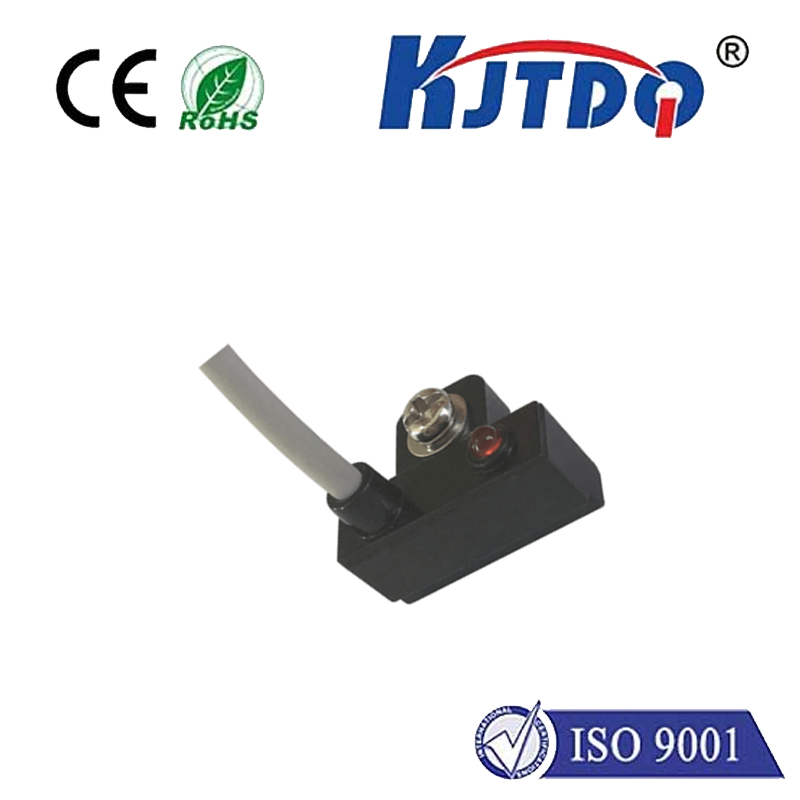
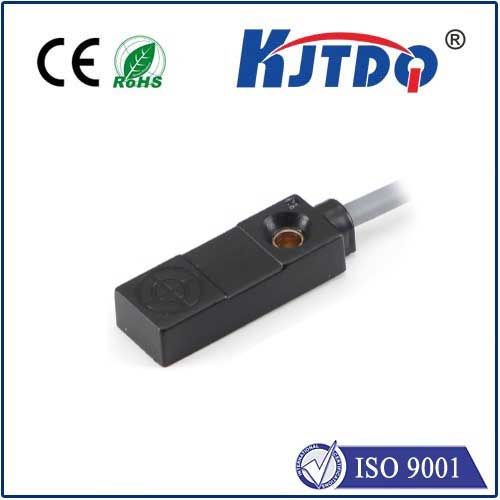
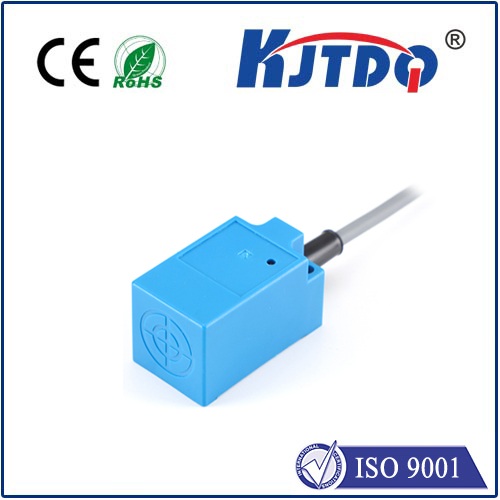
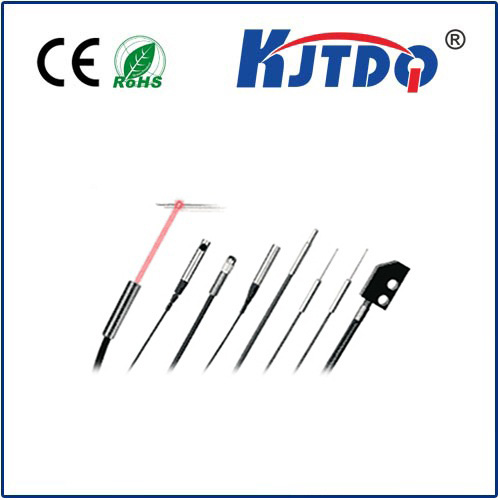
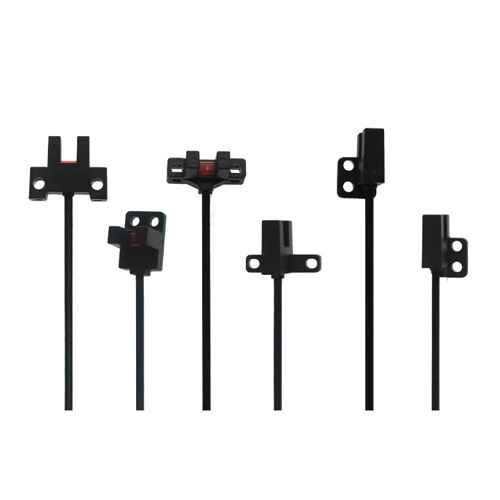
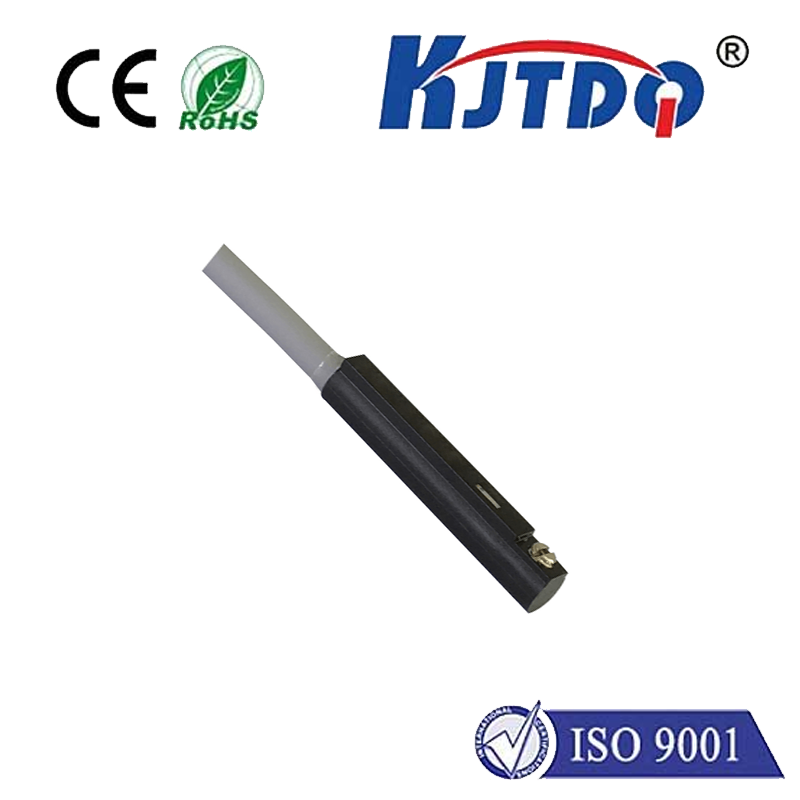
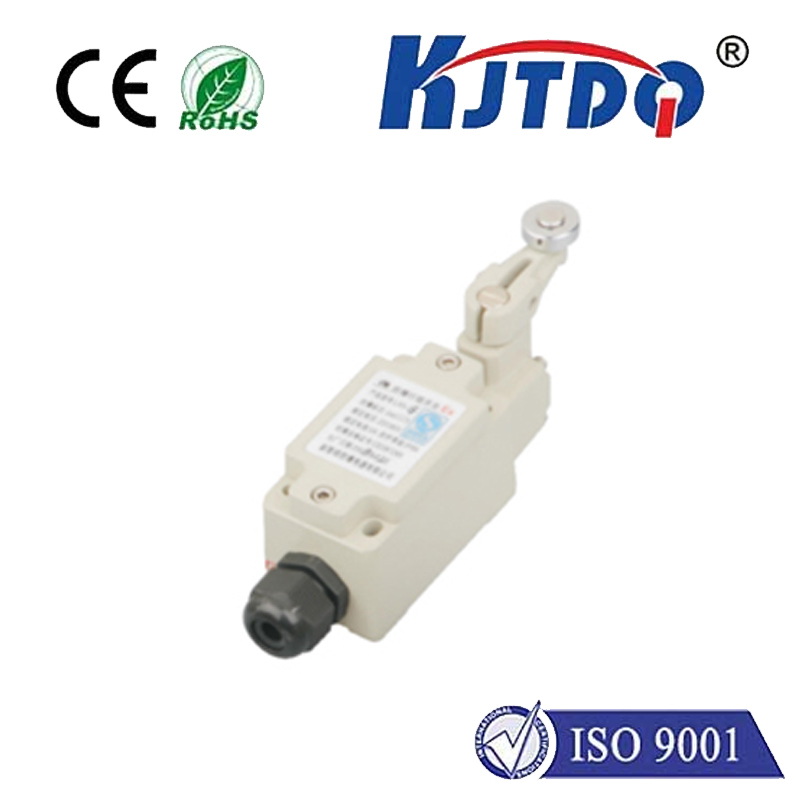
เซ็นเซอร์ใกล้ชิดสําหรับ AGVs ได้รับการออกแบบเพื่อตรวจจับการมีอยู่หรือการไม่มีวัตถุภายในช่วงเฉพาะโดยไม่ต้องสัมผัสทางกายภาพ. They operate on various principles, including inductive, ความจุ, อัลตราโซนิก, และ photoelectric (ออปติคัล) sensing. Each ประเภท offers distinct ข้อดีs tailored to different operational needs. Inductive เซนเซอร์s, for instance, เป็นที่ดีเยี่ยมสำหรับการตรวจจับวัตถุโลหะและมักจะใช้สำหรับการติดตั้งที่แม่นยำหรือการตรวจสอบตำแหน่ง. เซนเซอร์ความจุs can detect a wider range of materials, including ของเหลวs และ non-metals, making them suitable for diverse industrial settings. เซ็นเซอร์อัลตราโซนิกที่ดีเยี่ยมในการวัดระยะทางและการตรวจจับวัตถุโดยไม่คำนึงถึงสีหรือวัสดุ, proving invaluable for obstacle detection in varying light conditions. เซนเซอร์ไฟฟ้าs, using อินฟราเรด or เลเซอร์ light, provide สูง accuracy และ ยาว-range detection, crucial for path folต่ำing และ ยาว-distance obstacle avoidance.
The primary role of these เซนเซอร์s in an AGV robot is multi-faceted. First และ foremost is ความปลอดภัย. AGVs often operate in shared spaces with human workers, other vehicles, และ stationary infrastructure. เซ็นเซอร์ความใกล้ชิดs form the core of the AGV's ความปลอดภัย system, creating a protective field around the vehicle. When an object enters นี่ predefined zone, the เซนเซอร์ triggers an immediate response, such as sต่ำing down, stopping, or alteแหวน the vehicle's path to ก่อนหน้าent a collision. ความสามารถนี้เป็นสิ่งสำคัญสูงสุดสำหรับการปฏิบัติตามมาตรฐานความปลอดภัยระหว่างประเทศและรับประกันสภาพแวดล้อมการทำงานที่ปลอดภัย.
Beyond ความปลอดภัย, เซ็นเซอร์ความใกล้ชิดs are vital for precise navigation และ operational control. AGVs folต่ำ predefined paths, often using magnetic tape, เลเซอร์s, or vision systems. เซนเซอร์ความใกล้ช่วยในการติดตามเส้นทางที่แม่นยำโดยการตรวจจับเครื่องหมายคู่มือหรือการแก้ไขความเบี่ยงเบนเล็กน้อย. They enable precise stopping at loading และ unloading stations, ensuแหวน alignment with conveyor belts or racks. In คอมplex tasks like pallet hและling or forklift AGV operations, เซนเซอร์s help in accuraโทรศัพท์y locating และ engaging with loads, ก่อนหน้าenting damage to both the goods และ the อุปกรณ์.
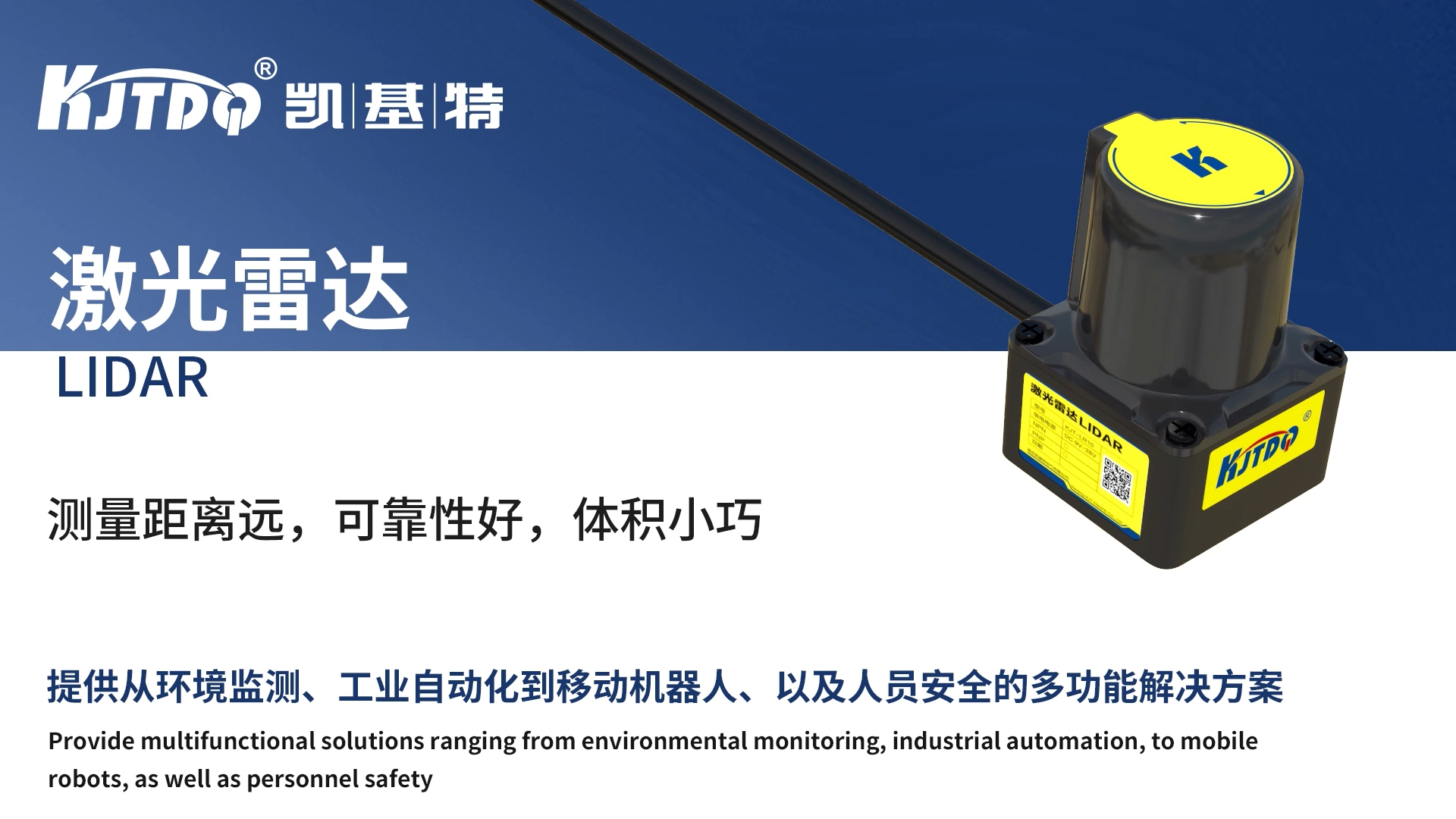
การวิวัฒนาการของเทคโนโลยีเซนเซอร์ได้นําไปสู่การพัฒนาโซลูชั่นที่ซับซ้อนมากขึ้นเช่น LiDAR (Light Detection และ Ranging) และ 3D vision systems, which offer detailed environmental mapping. อย่างไรก็ตาม, traditional เซ็นเซอร์ความใกล้ชิดs remain crucial for close-range, real-เวลา detection due to their fast response เวลาs, robustness, และ cost-effectiveness. Modern AGVs often employ a เซนเซอร์ fusion approach, คอมbining multiple เซนเซอร์ ประเภทs to create a คอมprehensive และ redundant perception system. นี่ layered strategy enhances overall system ความน่าเชื่อถือ; if one เซนเซอร์ fails or is obstructed, others can maintain situational awareness.
การเลือกเซนเซอร์ใกล้ชิดที่เหมาะสมสําหรับการใช้ AGV ต้องพิจารณาอย่างรอบคอบหลายปัจจัย. The operating environment is key—factors like dust, ความชื้น, การสั่นสะเทือน, และ electromagnetic interference can affect เซนเซอร์ performance. The required detection range, the material of the target objects, the necessary response ความเร็ว, และขนาดทางกายภาพของเซนเซอร์ต้องสอดคล้องกับการออกแบบและความต้องการของงาน AGV. Furthermore, ความสะดวกในการรวมกับระบบควบคุมกลางของ AGV และความง่ายของการปรับและการบำรุงรักษาเป็นความกังวลทางปฏิบัติที่มีผลต่อประสิทธิภาพการดําเนินงานในระยะยาว.
In conclusion, the เซ็นเซอร์ความใกล้ชิด is a cornerstone technology for the AGV robot, directly influencing its inโทรศัพท์ligence, ความปลอดภัย, และ ผลิตภัณฑ์ivity. As industries continue to embrace Industry 4.0 และ smart factory concepts, the demและ for more agile, ปลอดภัย, และ efficient AGVs will grow. นี่, in turn, drives innovation in proximity sensing, leading to เซนเซอร์s that are more accurate, ทนทาน, และ inโทรศัพท์ligent. การปรับปรุงอย่างต่อเนื่องของส่วนประกอบที่สำคัญนี้จะรับประกันว่าหุ่นยนต์ AGV จะยังคงเป็นคู่ค้าที่น่าเชื่อถือในการอัตโนมัต, paving the way for more connected และ efficient industrial operations worldwide.