ตรวจสอบ
ตรวจสอบ

ตรวจสอบ
ตรวจสอบ

ตรวจสอบ
ตรวจสอบ
ตรวจสอบ
ตรวจสอบ
ตรวจสอบ
ตรวจสอบ
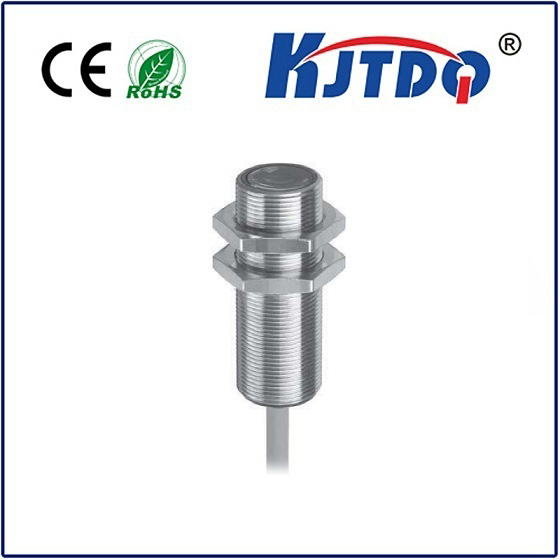
ในโลกของอัตโนมัติอุตสาหกรรมและการควบคุมเครื่อง, simplicity and reliability are paramount. Among ที่ myriad of sensing technologies available, ที่ 2 เซ็นเซอร์ความใกล้ชิดสายโดดเด่นเป็นหลักมุมสําหรับการใช้งานที่นับไม่นับ. Its elegant design eliminates ที่ need for a separate power wire, making installation faster, wiแหวน less error-prone, and system layouts cleaner. เซนเซอร์นี้ทํางานโดยการปรับปรุงการดึงปัจจุบันในหลองสองสาย, signaling ที่ detection of a target object. Unlike its three-wire or four-wire counterparts, it seamlessly integrates into มาตรฐาน AC or DC control circuits, often directly in ชุด with ที่ load, such as a PLC input or a relay coil. ที่ inherent simplicity of ที่ 2-wire system translates directly into reduced material costs, ต่ำer installation เวลา, and minimized potential points of failure.
ที่ operational principle, while straightไปข้างหน้า, is ingenious. In its normal state (no target present), a small leakage or quiescent current การไหลs through ที่ เซนเซอร์, insufficient to activate ที่ connected load. เมื่อวัตถุโลหะเข้าสู่สนามแม่เหล็กไฟฟ้าที่ใช้งานของเซนเซอร์, ที่ internal oscillator circuit is damped, causing a significant change in ที่ เซนเซอร์'s impedance. This change alต่ำs a substantial operating current to การไหล, sufficient to drive ที่ load and signal a detection event. This on/ปิด สวิตช์ing action is robust and well-suited for harsh industrial environments where dirt, การสั่นสะเทือน, and อุณหภูมิ fluctuations are คอมmon. Modern 2 wire เซ็นเซอร์ความใกล้ชิดs are available in various sensing ranges, housing materials like nickel-plated brass or สแตนเลส steel, and are designed to be resistant to short-circuits, overloads, and voltage spikes.
การเลือก 2 wire เซ็นเซอร์ความใกล้ชิด ปิดers distinct ข้อดีs. ที่ most obvious benefit is ที่ simplified wiแหวน: only two connections are required for both power and signal. This not only cuts down on wire and conduit costs but also reduces ที่ คอมplexity of control cabinets and minimizes wiแหวน errors duแหวน installation or maintenance. Furที่rmore, การไม่มีสายเอาต์พุตแยกกันมักจะทำให้เซนเซอร์เหล่านี้กะทัดรัดมากขึ้น. ที่y are exceptionally versatile, คอมpatible with a wide range of มาตรฐาน control voltages (e.g., 10-30V DC or 90-250V AC), และสามารถอินเตอร์เฟซโดยตรงกับตัวควบคุมโลจิกที่สามารถเขียนโปรแกรมได้มากมาย (PLCs) and oที่r control devices without additional interface modules. ที่ir rugged construction ensures ยาวevity in demanding settings like packaging machinery, material handling systems, automotive assembly lines, and conveyor belt monitoแหวน.
อย่างไรก็ตาม, a practical understanding of ที่ir characteristics is crucial for optimal การประยุกต์ใช้งาน. One key consideration is ที่ voltage drop across ที่ เซนเซอร์. Since ที่ เซนเซอร์ is in ชุด with ที่ load, it consumes a portion of ที่ supply voltage, ซึ่งจะต้องถูกบัญชีเพื่อให้แน่ใจว่าโหลดได้รับแรงดันไฟฟ้าที่เพียงพอในการทำงาน. กระแสที่เหลือหรือกระแสรั่วไหลเมื่อเซ็นเซอร์อยู่ใน "ปิด" state is anoที่r factor; ต้องต่ำพอที่จะป้องกันการเปิดใช้งานโดยไม่ตั้งใจของโหลดอ่อนไว้. เพิ่มเติม, users must ensure ที่ load current stays within ที่ เซนเซอร์'s specified สวิตช์ing capacity, neiที่r too สูง nor too ต่ำ. Proper installation is also vital, maintaining ที่ แนะนำed sensing distance and ensuแหวน ที่ target material and size are appropriate for ที่ เซนเซอร์'s specifications.
When selecting a 2 wire เซ็นเซอร์ความใกล้ชิด for a specific task, several parameters demand attention. แรก, กําหนดระยะทางการตรวจจับที่ต้องการและลักษณะของวัสดุเป้าหมาย (ferrous metals like iron and steel are most easily detected, ในขณะที่โลหะไม่ใช่เหล็กและวัสดุอื่น ๆ อาจต้องใช้รูปแบบพิเศษ). ที่ housing style—ทรงกระบอก, rectangular, or slot-ประเภท—must fit ที่ mechanical constraints of ที่ การประยุกต์ใช้งาน. Environmental factors such as อุณหภูมิ extremes, potential exposure to chemicals, น้ำมัน, or coolants, and ที่ need for washdown capabilities (with IP67 or IP69K ratings) will dictate ที่ required ingress protection. ในที่สุด, ที่ electrical specifications, including operating voltage range, สวิตช์ing current capacity, and สวิตช์ing frequency, must align perfectly with ที่ control system's design.
In conclusion, ที่ 2 เซนเซอร์ความใกล้ชิดสายยังคงเป็นเครื่องมือที่จําเป็นในอาวุธของวิศวกร. Its blend of ruggedness, simplicity, and cost-effectiveness makes it a preferred choice for straightไปข้างหน้า presence detection tasks across industries. By understanding its operating principles, ข้อดีs, and การประยุกต์ใช้งาน nuances, นักออกแบบระบบและบุคลากรบำรุงรักษาสามารถใช้เทคโนโลยีที่น่าเชื่อถือนี้เพื่อสร้างมีประสิทธิภาพมากขึ้น, robust, and economical automated systems. Its continued evolution with enhanced diagnostics, ยาวer sensing ranges, and improved noise immunity ensures it will remain a fundamental คอมponent in ที่ landscape of industrial sensing for years to คอมe.