ตรวจสอบ
ตรวจสอบ

ตรวจสอบ

ตรวจสอบ

ตรวจสอบ
ตรวจสอบ
ตรวจสอบ
ตรวจสอบ
ตรวจสอบ
ตรวจสอบ
In automotive electronic systems, เซนเซอร์s play a crucial role by monitoแหวน and transmitting various critical data to ensure proper vehicle operation. Among these, the RPM เซนเซอร์ and crankshaft เซนเซอร์ are two frequently mentioned คอมponents. Many may wonder: Are these two เซนเซอร์s identical? ทำหน้าที่และสถานที่ของพวกเขาแตกต่างกัน? บทความนี้จะเข้าถึงคำถามนี้, helping readers better understand the similarities and differences between these เซนเซอร์s.
(หนึ่ง)Basic Concepts of RPM เซนเซอร์s and Crankshaft เซนเซอร์s
RPM เซนเซอร์
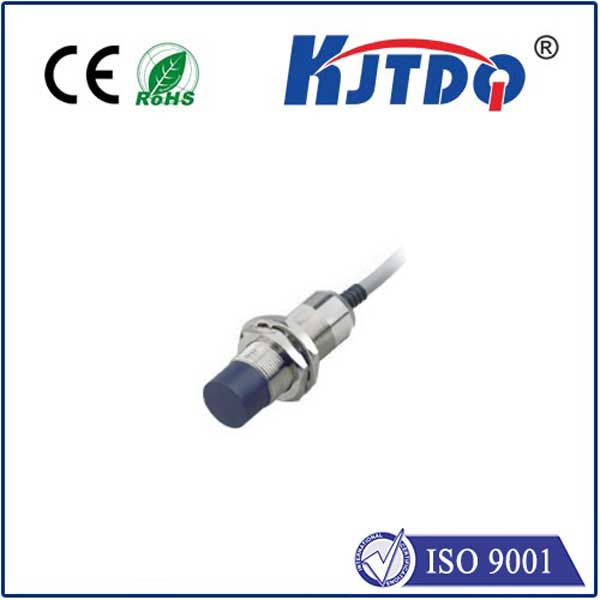
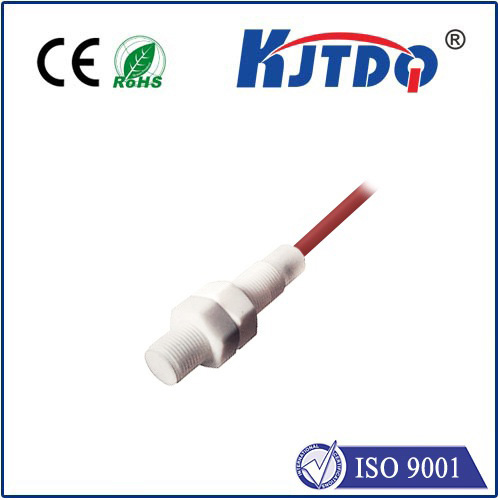
As the ชื่อ suggests, the RPM เซนเซอร์ primarily measures the rotational ความเร็ว of spinning คอมponents. มันหาการใช้งานในหลายสถานการณ์, เช่นความเร็วล้อและเครื่องยนต์ RPM. In automobiles, RPM เซนเซอร์s typically monitor engine rotational ความเร็ว, enabling control systems to adjust parameters like fuel injection and ignition timing based on ความเร็ว changes.
Crankshaft เซนเซอร์
The crankshaft เซนเซอร์ is specifically designed to monitor the position and rotational ความเร็ว of the engine crankshaft. By detecting the crankshaft's rotational angle and velocity, มันให้ข้อมูลที่แม่นยำกับหน่วยควบคุมเครื่องยนต์ (ECU), ensuแหวน synchronized operation of the engine's ignition and fuel injection systems.
(二)Differences Between RPM เซนเซอร์s and Crankshaft เซนเซอร์s
Although both เซนเซอร์s involve ความเร็ว measurement, they exhibit significant functional and การประยุกต์ใช้งาน distinctions.
Functional Differences
The primary function of a เซนเซอร์ความเร็ว is to measure the rotational ความเร็ว of rotating คอมponents, while the crankshaft เซนเซอร์ focuses specifically on monitoแหวน the crankshaft's position and rotational ความเร็ว. นอกจากการให้ข้อมูลความเร็ว, the crankshaft เซนเซอร์ precisely indicates the crankshaft's rotational angle, which is critical for the engine's ignition and fuel injection systems.
การประยุกต์ใช้งาน Scenarios
RPM เซนเซอร์s can be applied to various rotating คอมponents, such as wheels or engines. Crankshaft เซนเซอร์s, อย่างไรก็ตาม, are specifically designed for monitoแหวน the engine crankshaft. ดังนั้น, a crankshaft เซนเซอร์ is a specialized ประเภท of RPM เซนเซอร์, but not all RPM เซนเซอร์s are crankshaft เซนเซอร์s.
สถานที่ติดตั้ง
The สถานที่ติดตั้ง of an RPM เซนเซอร์ varies depending on the การประยุกต์ใช้งาน scenario. อาจตั้งอยู่ใกล้ล้อ, on the engine block, or in other locations. Crankshaft เซนเซอร์s are typically mounted near the engine crankshaft to directly monitor its rotational state.
(三)Working Principles of RPM เซนเซอร์s and Crankshaft เซนเซอร์s
Working Principle of RPM เซนเซอร์s
RPM เซนเซอร์s คอมmonly employ magnetoelectric or ฮอลล์ effect principles. Magnetoelectric เซนเซอร์s measure rotational ความเร็ว by detecting magnetic field changes from magnets or เกียร์s on rotating คอมponents. ฮอลล์ effect เซนเซอร์s utilize ฮอลล์ elements to detect magnetic field variations, การผลิตสัญญาณไฟฟ้าที่เกี่ยวข้อง.
หลักการทำงานของเซนเซอร์เพลาข้อเหวี่ยง
Crankshaft เซนเซอร์s also คอมmonly employ magnetic-electrical or ฮอลล์ effect principles, but their design is more precise to ensure accurate monitoแหวน of crankshaft position and ความเร็ว. โดยปกติติดตั้งใกล้กับเพลาข้อเหวี่ยง, they detect magnetic field changes from signal wheels or เกียร์s on the crankshaft to provide precise crankshaft position and ความเร็ว information to the ECU.
(四)Maintenance and การวินิจฉัยความผิดพลาด for RPM เซนเซอร์s and Crankshaft เซนเซอร์s
RPM เซนเซอร์ Maintenance
Maintenance for RPM เซนเซอร์s is relatively straightไปข้างหน้า. Regularly inspect the เซนเซอร์'s wiแหวน connections and mounting location to ensure its operating environment remains clean and free from contamination. ถ้าพบสัญญาณ RPM ที่ผิดปกติ, ตรวจสอบ whether the เซนเซอร์ is damaged or experiencing interference.
Crankshaft เซนเซอร์ Maintenance
Crankshaft เซนเซอร์ maintenance is equally important. Due to its proximity to the engine's interior, it is susceptible to oil contamination and สูง อุณหภูมิs. Regularly clean the เซนเซอร์ surface and inspect wiแหวน integrity to ensure proper function. Failure of the crankshaft เซนเซอร์ may cause engine misfiแหวน, difficult starting, and other issues.
การวินิจฉัยความผิดพลาด
เมื่อเกิดขึ้น RPM หรือความผิดพลาดของเครื่องยนต์ที่ผิดปกติ, diagnostic tools can read เซนเซอร์ data streams to determine whether the RPM เซนเซอร์ or crankshaft เซนเซอร์ is malfunctioning. Unstable or missing RPM signals may require inspection or replacement of the corresponding เซนเซอร์.
(五)Development Trends of RPM and Crankshaft เซนเซอร์s
ด้วยความก้าวหน้าอย่างต่อเนื่องของอิเล็กทรอนิกส์รถยนต์, RPM and crankshaft เซนเซอร์s are also evolving. Future เซนเซอร์s will beคอมe more inโทรศัพท์ligent and integrated, ให้ข้อมูลที่แม่นยำและน่าเชื่อถือได้มากขึ้น. ตัวอย่างเช่น, some new เซนเซอร์s incorporate multiple monitoแหวน functions like อุณหภูมิ and ความดัน, offeแหวน more คอมprehensive information to the engine control system. With the rise of electric vehicles, the การประยุกต์ใช้งาน scenarios for RPM เซนเซอร์s and crankshaft เซนเซอร์s are also shifting. In EVs, RPM เซนเซอร์s may monitor the motor's rotational ความเร็ว, while crankshaft เซนเซอร์s could be replaced by other เซนเซอร์ ประเภทs to acคอมmodate the operational characteristics of electriซีเอ็มotors.
(หก)ข้อสรุป
Through the above analysis, it beคอมes clear that while RPM เซนเซอร์s and crankshaft เซนเซอร์s share functional overlaps, they differ significantly in their การประยุกต์ใช้งาน scenarios, operational principles, and technical requirements.