ตรวจสอบ

ตรวจสอบ

ตรวจสอบ

ตรวจสอบ
ตรวจสอบ

ตรวจสอบ
ตรวจสอบ
ตรวจสอบ
ตรวจสอบ
ตรวจสอบ
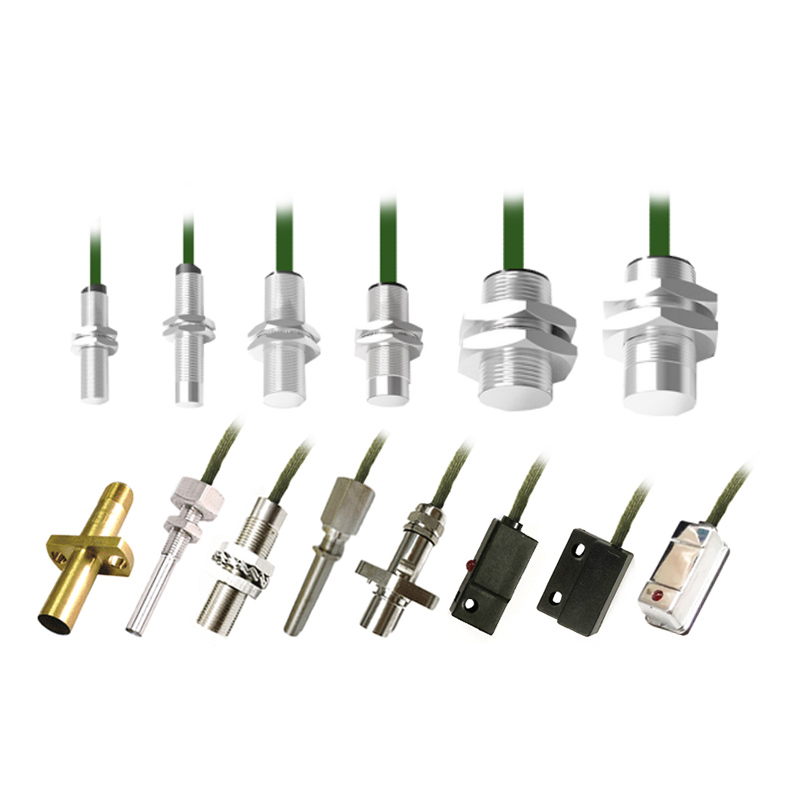
A เซนเซอร์ is a device used to measure and detect environmental conditions, ซึ่งสามารถแปลงปริมาณทางกายภาพหรือเหตุการณ์เป็นสัญญาณไฟฟ้าที่สามารถประมวลผลได้. คอมmon เซนเซอร์ ประเภทs include เซ็นเซอร์อุณหภูมิs, ความดัน เซนเซอร์s, humidity เซนเซอร์s, ฯลฯ. In เซนเซอร์s, the signal output can be divided into อะนาล็อก signals and ดิจิตอล signals.
แรก, ให้’s understand what an อะนาล็อก signal is. When a เซนเซอร์ measures environmental conditions, มันแปลงปริมาณทางกายภาพที่วัดเป็นสัญญาณแรงดันหรือกระแสที่แตกต่างกันอย่างต่อเนื่อง. This continuously changing signal is called an อะนาล็อก signal. The change of the อะนาล็อก signal can take any value within a certain range and is usually expressed in a continuous manner. อะนาล็อก signals can be interpreted by using the voltage or current values output by the เซนเซอร์. ตัวอย่างเช่น, a เซ็นเซอร์อุณหภูมิ can output an อะนาล็อก signal that represents the current ambient อุณหภูมิ value.
The opposite of อะนาล็อก signals is ดิจิตอล signals. A ดิจิตอล signal is a signal that is represented in a discrete manner and can only take on a limited number of values. The physical quantity measured by the เซนเซอร์ is converted into a binary code or ดิจิตอล form. A ดิจิตอล signal is represented by a set of discrete numbers, ที่ตัวเลขแต่ละตัวแทนค่าทางกายภาพเฉพาะ. This makes ดิจิตอล signals easier to process and transmit. ดิจิตอล signals have สูงer immunity to interference and are more stable because they are not affected by the noise and interference found in อะนาล็อก signals.
So what is the difference between อะนาล็อก signals and ดิจิตอล signals? ก่อนอื่น, ดิจิตอล signals have significant ข้อดีs in terms of storage and transmission. ดิจิตอล signals can be transmitted at สูง ความเร็วs over networks and copied and disseminated without loss of information. ในทางกลับกัน, อะนาล็อก signals often require ยาวer transmission distances or dedicated signal lines to maintain signal คุณภาพ. นอกจากนี้, ดิจิตอล signals are easy to process using คอมputers and other ดิจิตอล devices, เช่น การใช้อัลกอริทึมในการวิเคราะห์และประมวลผลข้อมูล. อะนาล็อก signals need to be digitized through an อะนาล็อก converter before they can be processed by ดิจิตอล devices.
ที่สอง, เกี่ยวกับความแม่นยำและความแม่นยำ, ดิจิตอล signals are superior in this regard. Due to the discrete nature of ดิจิตอล signals, their values can be represented by using more bits and with สูงer resolution than อะนาล็อก signals. This makes ดิจิตอล signals more suitable than อะนาล็อก signals for การประยุกต์ใช้งานs that require สูง precision and accuracy, such as scientific experiments or engineeแหวน measurements.
ในที่สุด, ดิจิตอล signals also have greater flexibility in terms of the number and ประเภทs of เซนเซอร์ การประยุกต์ใช้งาน scenarios. Integration of multi-เซนเซอร์ networks and data can be easily achieved using ดิจิตอล signals, whereas with อะนาล็อก signals, multiple signals may require คอมplex circuit design and tuning for integration.
สรุป, the output signal of the เซนเซอร์ can be an อะนาล็อก signal or a ดิจิตอล signal. อะนาล็อก signals are signals that vary continuously, while ดิจิตอล signals are signals that are represented in a discrete manner. ดิจิตอล signals have ข้อดีs such as ease of processing, transmission and สูงer accuracy. อะนาล็อก signals have a wide range of การประยุกต์ใช้งาน scenarios, especially when transmitting over ยาวer distances or requiแหวน ต่ำer-cost circuits. According to different การประยุกต์ใช้งาน requirements, we can choose suitable เซนเซอร์s and signal ประเภทs to meet specific measurement and detection needs.