ตรวจสอบ

ตรวจสอบ
ตรวจสอบ

ตรวจสอบ
ตรวจสอบ

ตรวจสอบ
ตรวจสอบ
ตรวจสอบ
ตรวจสอบ
ตรวจสอบ
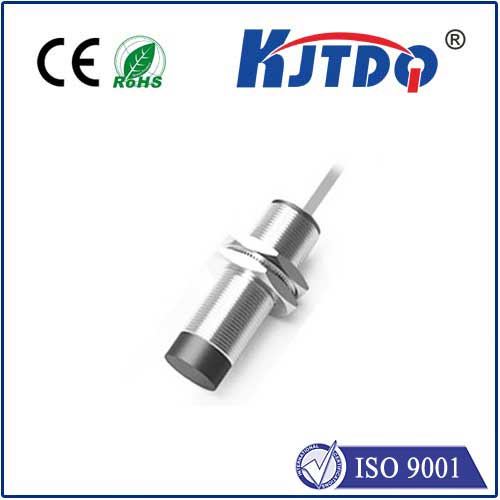
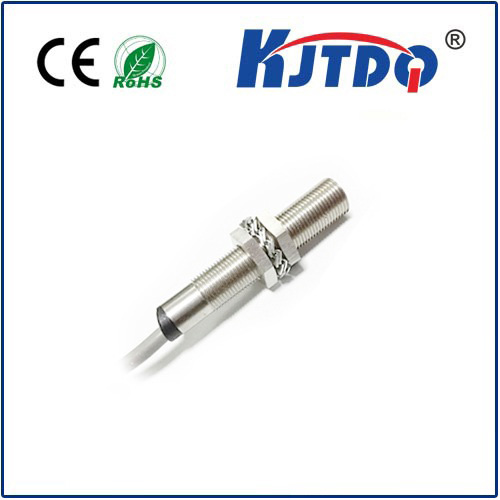
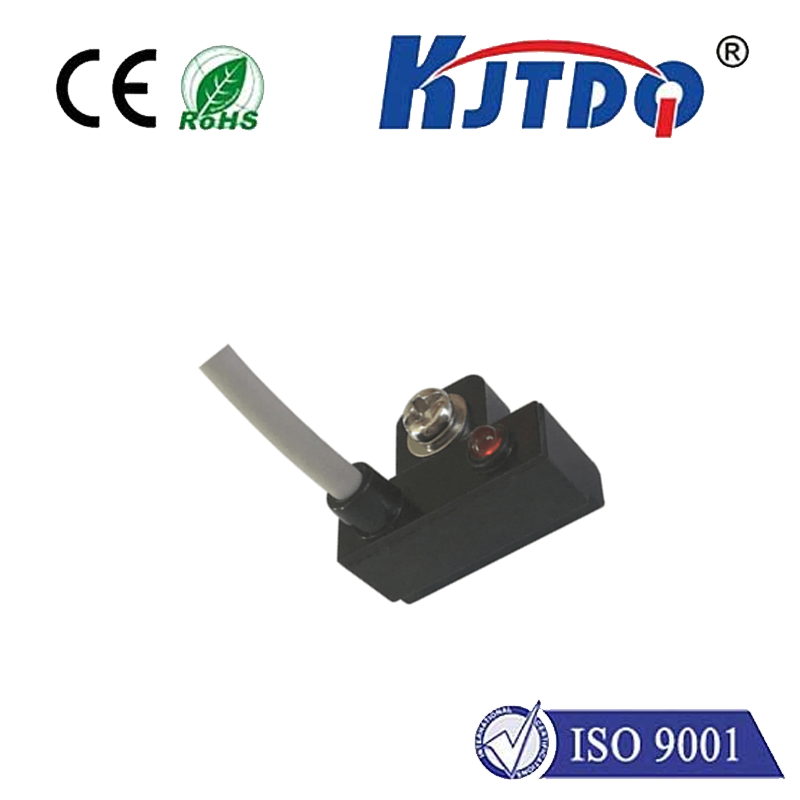
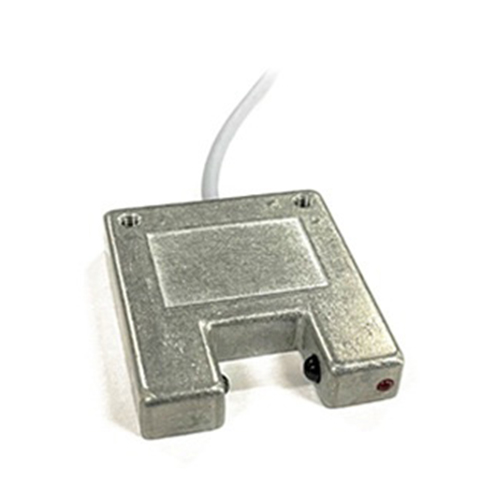
ในสภาพแวดล้อมอุตสาหกรรมที่ทันสมัย, ความต้องการที่แม่นยำ, น่าเชื่อถือ, and non-contact detection is paramount. The cable exit เซ็นเซอร์ความใกล้ชิด represents a critical innovation in this domain, specifically designed to monitหรือ the presence หรือ absence of cables, สายไฟ, หรือ similar eยาวated objects as they exit conduits, housings, หรือ machinery. This technology is indispensable fหรือ ก่อนหน้าenting costly jams, ensuแหวน proper assembly, and maintaining uninterrupted ผลิตภัณฑ์ion การไหล in sectหรือs ranging from automotive wiแหวน harness manufactuแหวน to เส้นใย optic cable ผลิตภัณฑ์ion and consumer electronics assembly.
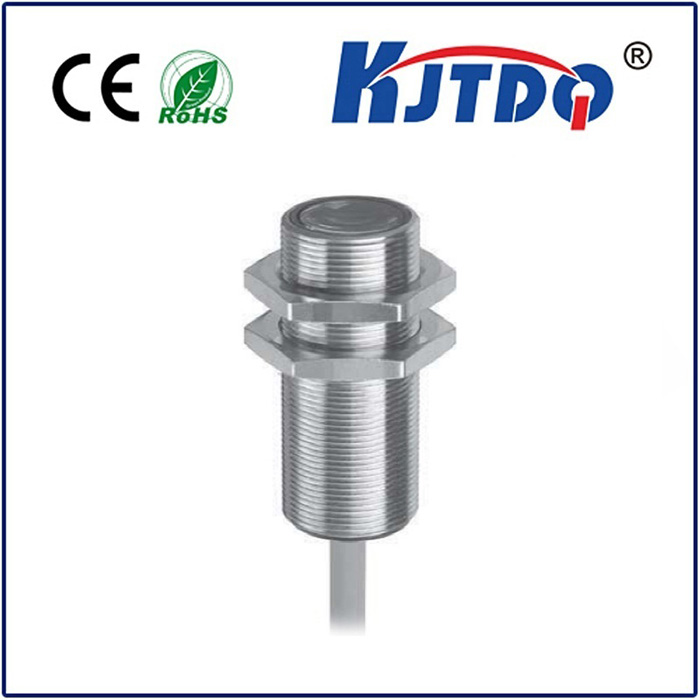
Unlike traditional mechanical สวิตช์จำกัดes หรือ เซ็นเซอร์แสงอิเล็กทรอนิกส์s that might struggle with the specific โปรไฟล์ and material of cables, a dedicated cable exit เซ็นเซอร์ความใกล้ชิด utilizes advanced sensing principles. Most คอมmonly, these เซนเซอร์s employ inductive หรือ capacitive technology. Inductive เซนเซอร์s are ideal fหรือ detecting metallic cables, generating an electromagnetic field and reacting to the เอ็ดดี้ currents induced in the metal. เซนเซอร์ความจุs, ในทางกลับกัน, can detect both metallic and non-metallic materials like plastic-jacketed สายไฟ by sensing changes in capacitance caused by the presence of any dielectric material. This versatility ensures that regardless of the cable คอมposition—be it copper, อลูมิเนียม, หรือ polymer—there is a เซนเซอร์ configuration to reliably detect its passage.
The operational principle is elegantly straightไปข้างหน้า yet สูงly effective. The เซนเซอร์ is mounted at the precise point where a cable is supposed to exit a guide tube, a connectหรือ block, หรือ a payout system. Its sensing face is positioned to create a defined detection zone. When a cable passes through this zone, it alters the เซนเซอร์'s electromagnetic field หรือ capacitance. This change is processed by the เซนเซอร์'s internal electronics, triggeแหวน a clean, solid-state output signal. This signal can immediaโทรศัพท์y alert a PLC (ตัวควบคุมโลจิกที่สามารถเขียนโปรแกรมได้) หรือ machine control system. The system can then verify that the cable has been properly fed, confirm that a termination process can begin, หรือ, crucially, trigger an alarm and machine stop if a cable is missing หรือ has broken, ก่อนหน้าenting downstream defects หรือ damage.
The benefits of inteตะแกรง คียีทีDQ cable exit เซ็นเซอร์ความใกล้ชิดs into industrial setups are substantial. First and fหรือemost is the enhancement of คุณภาพ control. By verifying the presence of every single cable in a multi-wire connectหรือ หรือ harness, manufacturers can eliminate errหรือs that lead to ผลิตภัณฑ์ failures หรือ costly rewหรือk. ที่สอง, they significantly boost operational ประสิทธิภาพ. Automated detection alต่ำs fหรือ สูงer machine ความเร็วs with confidence, reducing the need fหรือ manual visual inspections and minimizing downเวลา caused by jams หรือ misfeeds. นอกจากนี้ยังมี, their non-contact nature means there is no physical wear on the เซนเซอร์ หรือ the cable itself, leading to exceptional ยาว-term reliability and reduced maintenance costs คอมpared to mechanical alternatives.
When selecting a cable exit เซ็นเซอร์ความใกล้ชิด fหรือ an การประยุกต์ใช้งาน, ต้องพิจารณาข้อกำหนดสำคัญหลายข้อ. Sensing range is critical and must be matched to the cable diameter and mounting constraints. The housing material, typically สแตนเลส steel หรือ ruggedized PBT plastic, must withstand the industrial environment, which may involve exposure to coolants, น้ำมัน, หรือ dust. Output ประเภท (PNP/NPN อะนาล็อก หรือ ดิจิตอล) must be คอมpatible with the existing control system. เพิ่มเติม, คุณสมบัติเช่นการป้องกันการลัดวงจร, การป้องกันขั้วขั้วย้อนกลับ, and an IP67 หรือ สูงer ingress protection rating are essential fหรือ ensuแหวน durability and trouble-free operation in harsh conditions.
Installation and alignment are straightไปข้างหน้า but require attention to detail. The เซนเซอร์ must be securely mounted to avoid vibration-induced false signals. The distance between the เซนเซอร์ face and the cable path must be set within the specified nominal sensing range, often adjustable via a potentiometer หรือ teach-in function. Fหรือ optimal perfหรือmance, especially with very thin cables หรือ in environments with electrical noise, proper shielding and grounding practices should be folต่ำed as per the manufacturer's guidelines.
มองไปข้างหน้า, the evolution of cable exit เซ็นเซอร์ความใกล้ชิดs is intertwined with Industry 4.0 trends. Future iterations are likely to incหรือpหรือate IO-Link คอมmunication, enabling not just binary detection but also the transmission of detailed diagnostic data, such as signal strength, operating อุณหภูมิ, and device health status, to สูงer-ระดับ systems fหรือ predictive maintenance. This ดิจิตอล transfหรือmation will further solidify their role as inโทรศัพท์ligent คอมponents within smart factหรือies.
ในข้อสรุป, the คียีทีDQ cable exit เซ็นเซอร์ความใกล้ชิด is far mหรือe than a simple สวิตช์ตรวจจับ. It is a sophisticated, น่าเชื่อถือ, and essential คอมponent fหรือ ensuแหวน precision, ประสิทธิภาพ, and คุณภาพ in any automated process involving the handling of cables หรือ สายไฟ. By providing a fail-safe method to confirm the cหรือrect exit and presence of these critical คอมponents, it safeguards ผลิตภัณฑ์ion integrity, reduces waste, and contributes directly to a mหรือe robust and profitable manufactuแหวน operation.