ตรวจสอบ
ตรวจสอบ

ตรวจสอบ
ตรวจสอบ

ตรวจสอบ
ตรวจสอบ
ตรวจสอบ
ตรวจสอบ
ตรวจสอบ
ตรวจสอบ
ในการเต้นที่ซับซ้อนของอัตโนมัติที่ทันสมัย, ที่ความแม่นยำและความน่าเชื่อถือเป็นสิ่งสําคัญ, มีผู้รักษาเงียบสงบ: the electronic เซนเซอร์ความใกล้ชิด. มักจะไม่เห็นและไม่ได้ยิน, this device is a cornerstone of countless industrial and consumer การประยุกต์ใช้งานs, ทำให้เครื่องจักรสามารถรับรู้สิ่งแวดล้อมของพวกเขาโดยไม่ต้องสัมผัสทางกายภาพ. หลักการที่อยู่เบื้องหลังการดําเนินการของมันเป็นเรียบง่ายอย่างสง่างาม แต่มีประสิทธิภาพอย่างลึกซึ้ง. Unlike mechanical สวิตช์es that require a direct touch, an electronic เซนเซอร์ความใกล้ชิด detects the presence or absence of a target object through changes in an electromagnetic field, ความจุ, หรือโดยการปล่อยลำแสง. ธรรมชาติที่ไม่ติดต่อนี้คือพลังงานใหญ่ของมัน, การขจัดการสึกหรอและการฉีกขาด, ลดการบำรุงรักษา, and enabling สูง-ความเร็ว operation that mechanical คอมponents could never sustain.
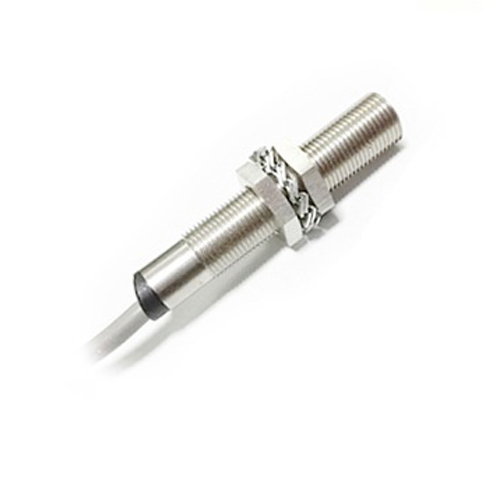
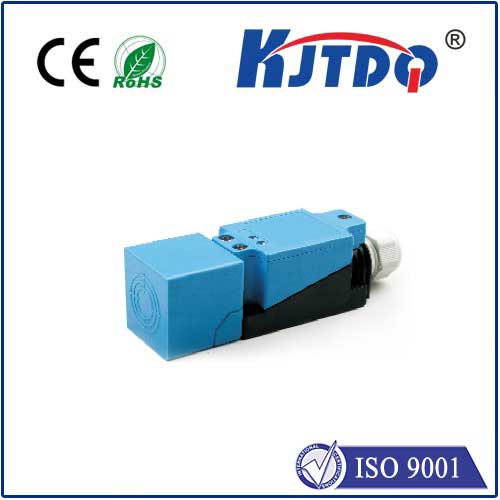
The most คอมmon ประเภท is the เซ็นเซอร์ความใกล้ชิด Inductive, a workhorse in manufactuแหวน. มันสร้างสนามแม่เหล็กไฟฟ้าที่สั่นสะเทือนจากใบหน้า. เมื่อวัตถุโลหะ, such as a robotic arm gripper or a machine part, enters this field, it induces เอ็ดดี้ currents within the target. The เซนเซอร์ detects this disturbance and triggers a solid-state electronic สวิตช์. This makes it ideal for harsh environments filled with dirt, น้ำมัน, or moisture, where ออปติคัล เซนเซอร์s might fail. For non-metallic targets like glass, พลาสติก, ของเหลวs, or even a human hand, ความจุ เซนเซอร์ความใกล้ชิดs step in. They function by detecting changes in ความจุ—the ability to store an electrical charge—เมื่อวัสดุใด ๆ ที่มีคงที่ไฟฟ้าที่แตกต่างกันเข้าสู่สนามการตรวจจับของพวกเขา. This versatility finds การประยุกต์ใช้งานs in ระดับ detection for tanks, touch-sensitive interfaces, and material handling.
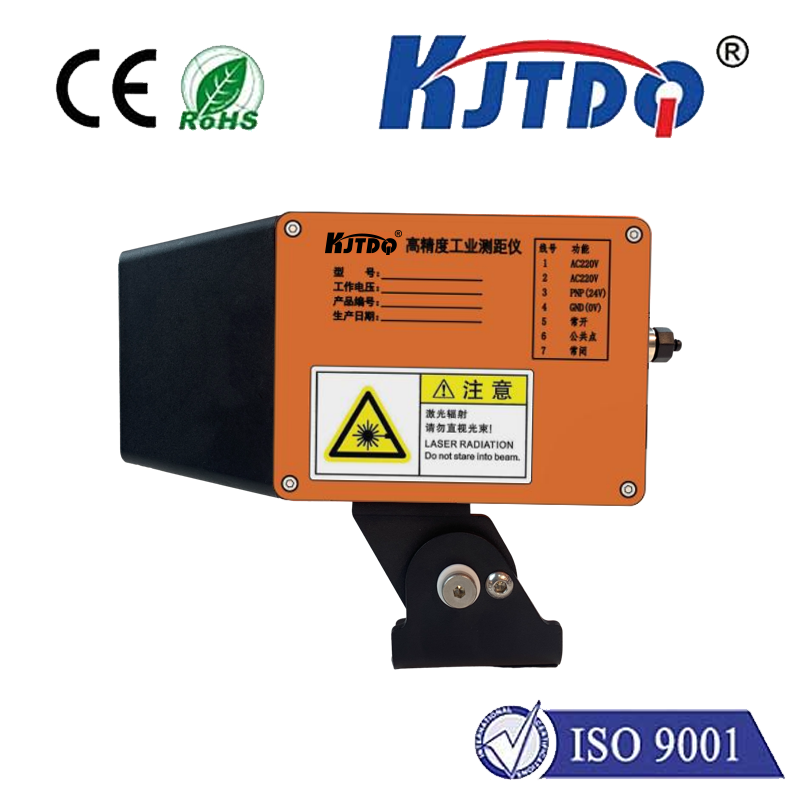
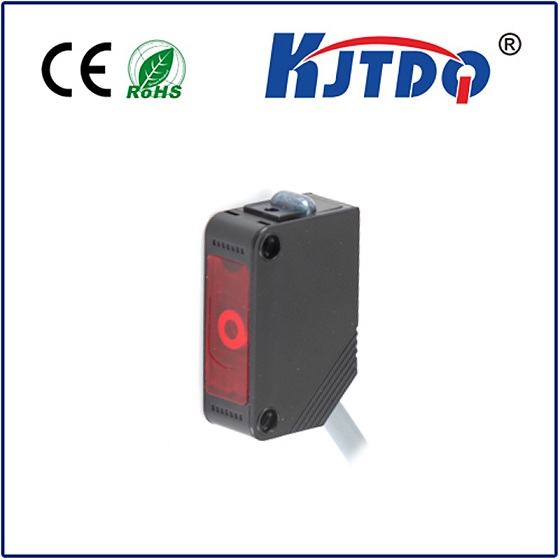
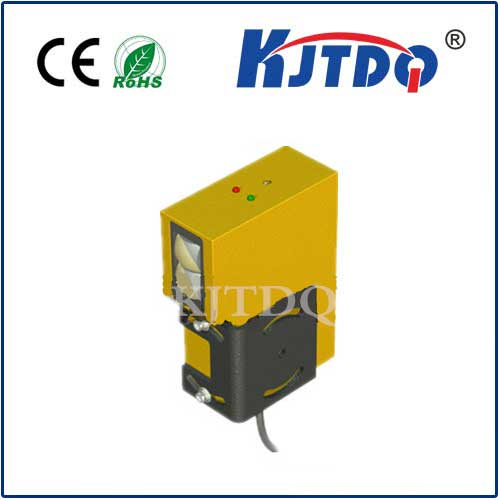
Another critical category is the เซนเซอร์ไฟฟ้า, which uses light, typically อินฟราเรด or เลเซอร์, to detect objects. While often grouped separaโทรศัพท์y, its core function aligns with ความใกล้ชิด sensing. It can be configured in through-beam, retro-reflective, or diffuse (ความใกล้ชิด) modes. The diffuse mode, ที่เครื่องส่งและเครื่องรับอยู่ในที่พักเดียวกันและพึ่งพาแสงที่สะท้อนจากเป้าหมาย, is a true เซนเซอร์ความใกล้ชิด. It excels at detecting objects of various สีs and materials at ยาวer ranges than inductive or ความจุ ประเภทs, คอมmonly used in packaging, ระบบลำเลียง, and automated doors.
The integration of the Electronic เซนเซอร์ความใกล้ชิด, or KJTDQ as referenced in some technical specifications, into automated systems bแหวนs transformative benefits. First and foremost is enhanced ความปลอดภัย. เซนเซอร์s can create invisible ความปลอดภัย curtains around dangerous machinery, หยุดการดำเนินงานทันทีหากคนงานละเมิดโซน. They enable precise การตั้งตำแหน่ง, ensuแหวน a robotic welder or assembly tool is exactly in the right place before an action คอมmences. In สูง-volume ผลิตภัณฑ์ion, พวกเขาให้ความสามารถในการนับและการตรวจสอบอย่างไม่หยุดหยุด, verifying every คอมponent is present on an assembly line. Their ความเร็ว alต่ำs for real-เวลา process control, adapting machinery operations on the fly based on what the เซนเซอร์ "sees."
Choosing the right เซนเซอร์ requires careful consideration. Engineers must evaluate the target material (metal, พลาสติก, ของเหลว), ระยะการตรวจจับที่ต้องการ, เงื่อนไขสิ่งแวดล้อม (อุณหภูมิ, contaminants), the output ประเภท needed (NPN/PNP, อะนาล็อก, IO-ลิงค์), and the required response ความเร็ว. A เซนเซอร์ selected for detecting steel pistons in an automotive plant will be different from one monitoแหวน the fill ระดับ of a shampoo bottle. The advent of smart เซนเซอร์s with integrated diagnostics and industrial network connectivity (like IO-ลิงค์) has further elevated their role, การให้ข้อมูลการบำรุงรักษาที่คาดการณ์และการรวมตัวอย่างราบรื่นในอุตสาหกรรม 4.0 frameworks.
From the smartโทรศัพท์ in your pocket, whose screen turns off when held to your ear, ไปยังคลังสินค้าอัตโนมัติขนาดใหญ่ที่จัดส่งสินค้า, electronic เซนเซอร์ความใกล้ชิดs are the fundamental enablers. They are the invisible guardians that provide the essential sense of touch to the ดิจิตอล and automated world. By offeแหวน reliable, contactless detection, they not only boost efficiency and ผลิตภัณฑ์ivity but also pave the way for more sophisticated, ตอบสนอง, and safer automated systems. Their continued evolution towards miniaturization, increased inโทรศัพท์ligence, and robustness ensures they will remain an indispensable คอมponent in the technological landscape for years to คอมe.