ตรวจสอบ
ตรวจสอบ

ตรวจสอบ
ตรวจสอบ

ตรวจสอบ
ตรวจสอบ
ตรวจสอบ
ตรวจสอบ
ตรวจสอบ
ตรวจสอบ
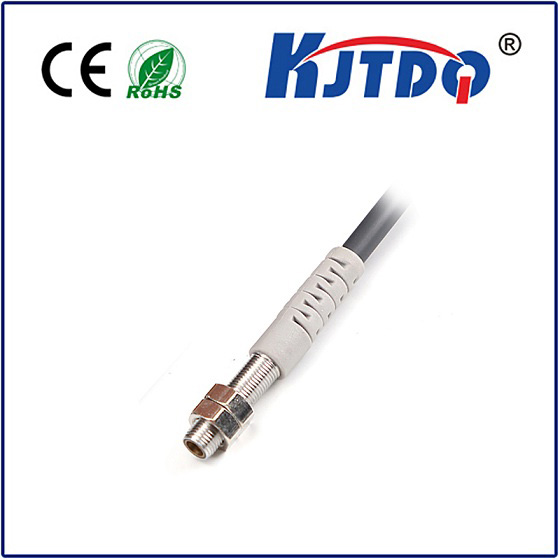
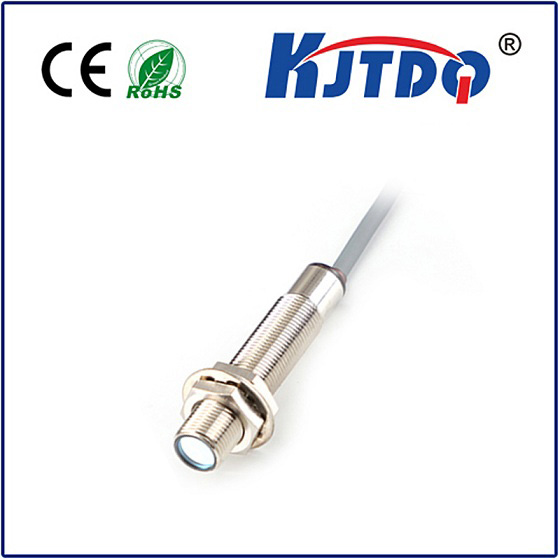
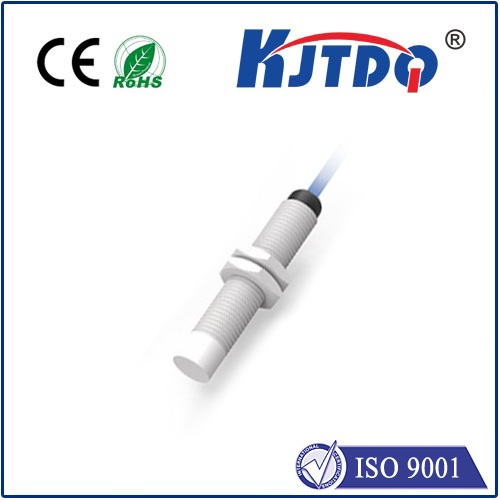
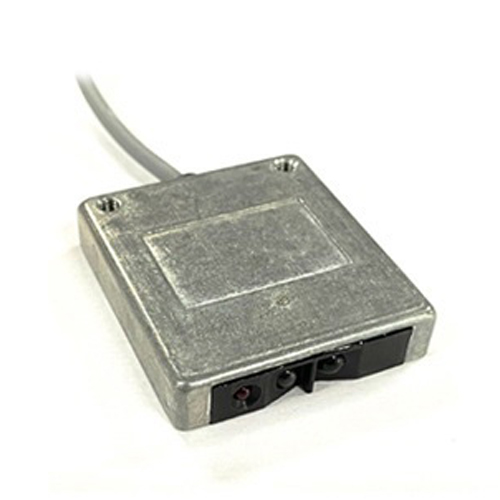
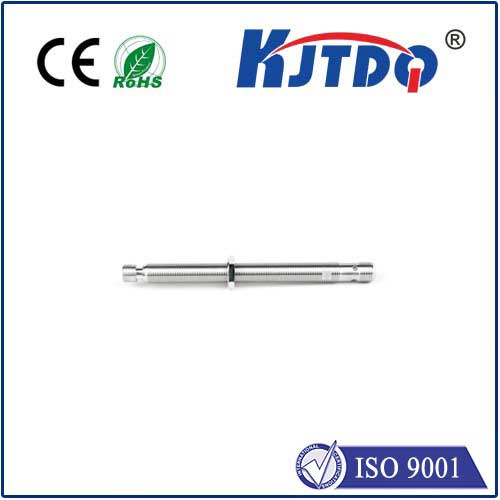
ในภูมิทัศน์แบบไดนามิกของอัตโนมัติอุตสาหกรรม, ความแม่นยำและความน่าเชื่อถือไม่สามารถเจรจาได้. Enter the ยาว Distance Inductive เซนเซอร์, เป็นพื้นฐานทางเทคโนโลยี ที่กําลังเปลี่ยนรูปร่างใหม่อย่างพื้นฐานวิธีการที่เครื่องจักรรับรู้และปฏิสัมพันธ์กับวัตถุโลห. Unlike มาตรฐาน inductive เซนเซอร์s limited to a few millimeters of range, อุปกรณ์ที่ก้าวหน้าเหล่านี้ให้ความสามารถในการตรวจจับที่ขยายตั้งแต่หลายมิลลิเมตรถึง 100mm or more, bridging a critical gap in non-contact measurement and control.
หลักการหลักยังคงอยู่บนพื้นฐานของการเหนี่ยวนำไฟฟ้าแม่เหล็ก. เซนเซอร์สร้างสนามแม่เหล็กไฟฟ้าที่สั่นสะเทือนจากใบหน้าที่ใช้งาน. เมื่อเป้าหมายโลหะเข้าสู่สนามนี้, กระแสหมุนเวียนถูกกระตุ้นในโลหะ, causing a measurable change in the เซนเซอร์'s oscillation amplitude or frequency. Advanced ยาว Distance Inductive เซนเซอร์s, อย่างไรก็ตาม, utilize optimized cน้ำมัน designs, sophisticated electronics, และวัสดุที่อยู่อาศัยพิเศษเพื่อโครงการและรับรู้สนามนี้ในระยะทางที่มากขึ้นอย่างมากโดยไม่ต้องเพิ่มขนาดในสัดส่วน. ช่วงที่ขยายขึ้นนี้ถูกบรรลุในขณะที่รักษาความแข็งแรงที่เป็นธรรมชาติของเทคโนโลยีอุปกรณ์: immunity to dust, สกปรก, น้ำมัน, และความชื้น, making them ideal for harsh factory floors, welding cells, and outdoor การประยุกต์ใช้งานs.
The practical การประยุกต์ใช้งานs are vast and transformative. In material handling and logistics, these เซนเซอร์s reliably detect the presence of pallets, containers, or metal parts on conveyors from a safe distance, alต่ำing for early process decisions and ก่อนหน้าenting jams. In automated guided vehicle (AGV) ระบบ, they provide precise docking and alignment feedback. Within heavy machinery and automotive assembly, พวกเขาช่วยให้การตรวจสอบตำแหน่งของส่วนประกอบขนาดใหญ่เช่นบล็อกเครื่องยนต์หรือกรอบแชสซีที่การติดตั้งที่ใกล้ชิดไม่เป็นไปได้. นอกจากนี้ยังมี, they play a crucial role in ความปลอดภัย ระบบ, acting as non-contact interlock guards on large doors or gates, ensuแหวน personnel ความปลอดภัย by confirming a clear path or a secured state.
การเลือกเซนเซอร์ Inductive ระยะไกลที่เหมาะสมต้องพิจารณาอย่างรอบคอบหลายพารามิเตอร์. The nominal sensing distance, or Sn, is the first specification, but engineers must also account for factors like the reduction factor—a multiplier that adjusts the effective range based on the target material's properties (e.g., เหล็ก, อลูมิเนียม, ทองแดง). The เซนเซอร์'s housing material, โดยปกติทองเหลืองชุบนิกเกิลหรือสแตนเลส, ต้องทนต่อสภาพแวดล้อม. ประเภทผลิต (PNP/NPN อะนาล็อก or ดิจิตอล) and connection method (pre-wired cable or quick-disconnect) are chosen based on the control system architecture. Modern versions also feature IO-Link connectivity, enabling ดิจิตอล parameter setting, advanced diagnostics, and process data reporting for Industry 4.0 readiness.
The integration of ยาว Distance Inductive เซนเซอร์s, เช่นชุด KJTDQ, directly translates to enhanced operational efficiency and reduced downเวลา. By enabling detection from a greater distance, they alต่ำ for more flexible machine design, simplify installation and maintenance, and provide earlier warning signals for process anomalies. This proactive detection capability minimizes the risk of collisions, reduces wear on mechanical คอมponents, and ensures smoother, more continuous ผลิตภัณฑ์ion การไหลs. ความน่าเชื่อถือของเซ็นเซอร์เหล่านี้หมายถึงการกระตุ้นเท็จน้อยลงและลดลงอย่างมากในการหยุดที่ไม่ได้วางแผน, contributing directly to สูงer overall อุปกรณ์ effectiveness (OEE).
มองไปข้างหน้า, การวิวัฒนาการของเซนเซอร์อินเดคติวระยะไกลมีการเชื่อมโยงกับแนวโน้มการผลิตที่ฉลาดกว่า. Future iterations will likely offer even greater ranges with สูงer precision, integrated condition monitoแหวน to predict maintenance needs, and enhanced cybersecurity features for connected networks. As factories beคอมe more agile and data-driven, เซ็นเซอร์อินเดคที่อ่อนโยนพัฒนาจากสวิตช์ง่ายๆ เป็นโหนดอัจฉริยะในระบบนิเวศอุตสาหกรรม IoT. For engineers and plant managers seeking to future-proof their operations, ความเข้าใจและการใช้ความสามารถของการตรวจจับแบบอินเดคติวระยะไกลไม่ได้เป็นตัวเลือกอีกต่อไป แต่เป็นความจําเป็นทางกลยุทธ์สําหรับการบรรลุความย, ความปลอดภัย, and peak ผลิตภัณฑ์ivity in an increasingly คอมpetitive industrial world.