ตรวจสอบ
ตรวจสอบ

ตรวจสอบ
ตรวจสอบ

ตรวจสอบ
ตรวจสอบ
ตรวจสอบ
ตรวจสอบ
ตรวจสอบ
ตรวจสอบ
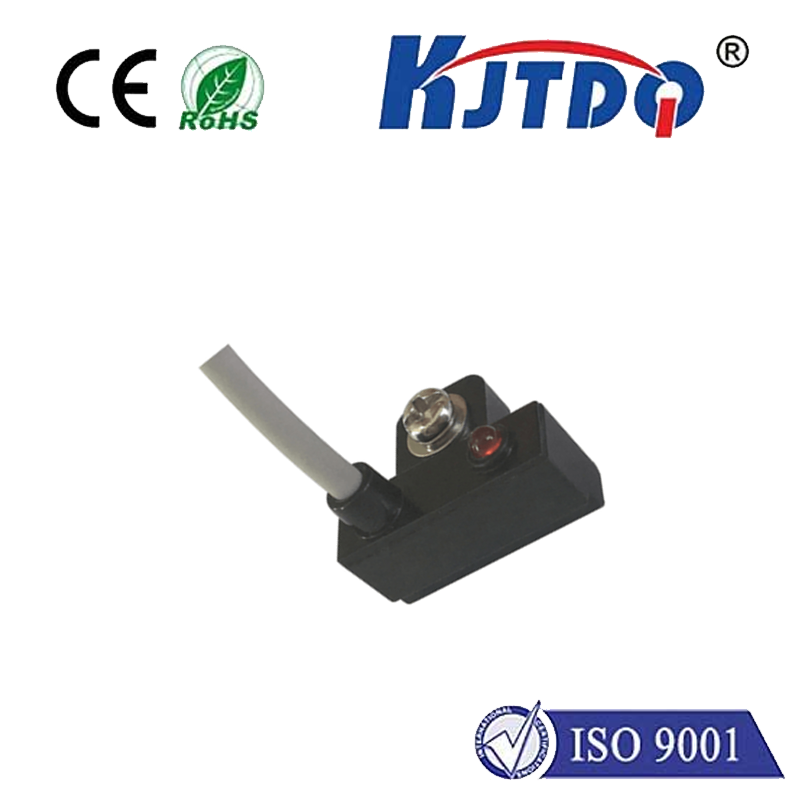
In the fast-paced world of คอมmercial and industrial printing, ทุกไมครอนของความผิดจัดตำแหน่ง และทุกมิลลิวินาทีของการหยุดการใช้งาน แปลเป็นรายได้ที่สูญเสียและคุณภาพที่เสียหาย. ในใจกลางของการรักษาจังหวะที่ไม่หยุดหยุดของเครื่องพิมพ์ที่ทันสมัย, yet often overlooked คอมponent: the เซ็นเซอร์ความใกล้ชิด. Specifically designed for the harsh, dynamic environment of printing machinery, these เซนเซอร์s are the silent guardians of precision, ensuแหวน that every sheet, every plate, and every cylinder is in its exact rightful place.
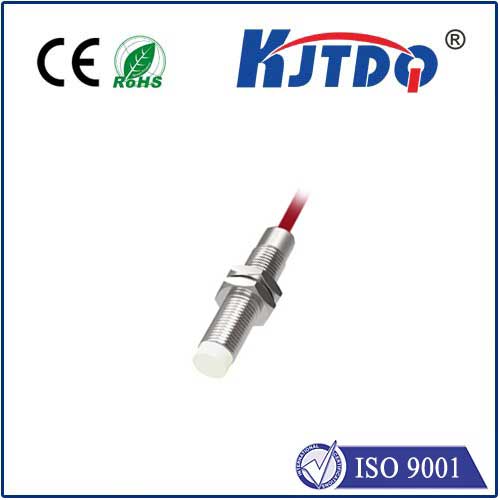
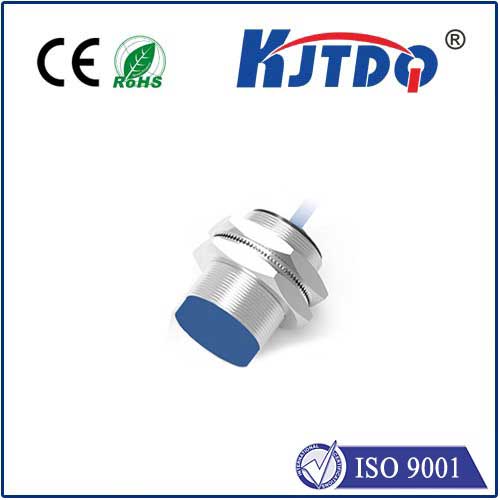
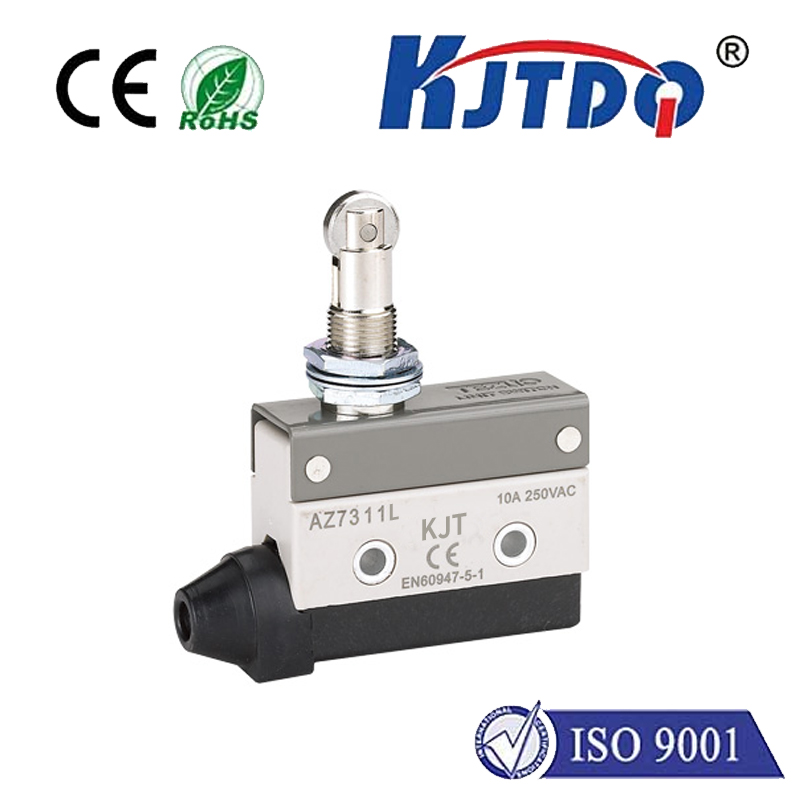
Unlike traditional mechanical สวิตช์จำกัดes, a เซ็นเซอร์ความใกล้ชิด for a printing machine operates without physical contact. มันปล่อยสนามแม่เหล็กไฟฟ้าหรือลำแสงเพื่อตรวจสอบการมีอยู่หรือการไม่มีเป้าหมายโลหะ, such as a printing plate cylinder, a paper sheet, or a foil stamping die. This non-contact nature is its superpower. It eliminates wear and tear, reduces maintenance needs, และให้ความคิดเห็นที่รวดเร็วและเชื่อถือได้อย่างไม่น่าเชื่อในระบบควบคุมกลางของเครื่อง. Imagine a สูง-ความเร็ว web press running at thousands of feet per minute; a mechanical สวิตช์ would quickly degrade, but a robust inductive or เซ็นเซอร์ความใกล้ชิด Capacitive performs flawlessly, cycle after cycle.
The การประยุกต์ใช้งานs within a printing machine are numerous and vital. One primary use is sheet detection and registration. เซนเซอร์ตรวจสอบขอบด้านหน้าและด้านหลังของกระดาษอย่างแม่นยำขณะที่มันป้อนเข้าสู่เครื่องกด, ensuแหวน perfect alignment before the impression cylinders apply ink. Any skew or คู่ sheet is instantly detected, ก่อนหน้าenting a costly jam or a batch of misprinted materials. Another crucial การประยุกต์ใช้งาน is in plate cylinder positioning. เครื่องกดที่ทันสมัยพร้อมเครื่องเปลี่ยนแผ่นอัตโนมัติพึ่งพาเซนเซอร์เพื่อยืนยันตําแหน่งมุมที่แม่นยำของกระบอก, guaranteeing that the new plate is locked in with pixel-perfect accuracy. Furthermore, they monitor ink ระดับ in fountains, control the tension on paper webs, and verify the presence of finishing elements like staples or glue in post-press อุปกรณ์.
The operational environment of a printing press is demanding. It is filled with paper dust, aerosolized ink particles, chemical vapors from solvents and cleaners, and constant vibration. A มาตรฐาน industrial เซนเซอร์ might fail under these conditions. ดังนั้น, เซนเซอร์ความใกล้ชิดที่ออกแบบมาสําหรับเครื่องจักรพิมพ์ถูกสร้างขึ้นเพื่อต้านทานความท้าทายเหล่านี้. Key features include สูง IP ratings for dust and moisture resistance, robust housing materials resistant to คอมmon printing chemicals, and advanced circuitry that filters out electrical noise from powerful drive motors. การออกแบบของพวกเขามักจะช่วยให้สามารถปรับและติดตั้งได้ง่ายในส่วนแคบของกรอบกด.
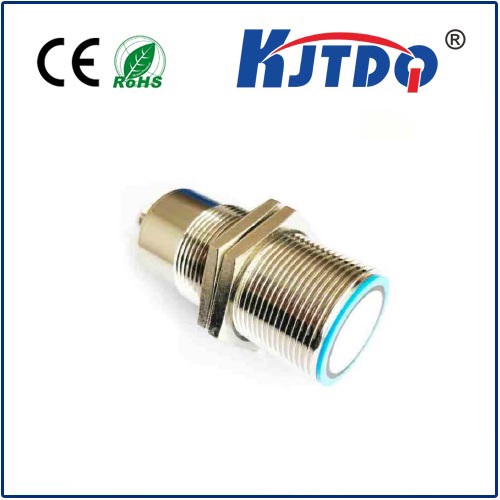
Investing in สูง-คุณภาพ, เซนเซอร์ความใกล้ชิดเฉพาะสำหรับการใช้งาน เช่น KJTDQ ซีรีส์ให้ผลตอบแทนที่น่าสนใจในการลงทุน. The most iมมediate benefit is a dramatic reduction in unplanned downเวลา. By ก่อนหน้าenting misalignments, jams, and registration errors before they ruin a job, these เซนเซอร์s keep the press running. This leads to สูงer overall อุปกรณ์ effectiveness (OEE). Secondly, they ensure consistent, สูง print คุณภาพ. Precise registration means sharper images, perfect สี alignment, and professional results every เวลา, reducing waste from scrapped prints. ในที่สุด, ความทนทานและความต้องการในการบำรุงรักษาต่ำลดค่าใช้จ่ายรวมของการเป็นเจ้าของตลอดอายุการใช้งานของเครื่อง, freeing up technicians for more valuable tasks.
When selecting a เซ็นเซอร์ความใกล้ชิด for a printing machine, several technical specifications must be considered. การตรวจจับระยะทาง, ความถี่การตอบสนอง, and output ประเภท (PNP/NPN) must match the machine's control system. The material of the target is also critical; inductive เซนเซอร์s detect metals, while เซนเซอร์ความจุs can detect non-metallics like paper or plastic. For environments with heavy ink or foil debris, เซนเซอร์s with a "ฟลัช" mounting design are preferable to ก่อนหน้าent material buildup. แนะนำให้ปรึกษากับผู้เชี่ยวชาญหรือ OEM เครื่องจักรเสมอเพื่อให้แน่ใจว่าความเข้ากันและประสิทธิภาพที่ดีที่สุด.
As printing technology evolves towards more automation and ดิจิตอล integration, the role of the เซ็นเซอร์ความใกล้ชิด beคอมes even more central. They are the essential data points that feed into Industry 4.0 frameworks, alต่ำing for predictive maintenance, real-เวลา performance analytics, and seamless workการไหล integration. From a small ฉลาก press to a massive ข่าวสารpaper printing line, the humble เซ็นเซอร์ความใกล้ชิด is a foundational element of modern, มีประสิทธิภาพ, and คอมpetitive print ผลิตภัณฑ์ion. Choosing the right one is not just a technical decision; it's a strategic investment in reliability, คุณภาพ, and ultimaโทรศัพท์y, the bottom line.