ตรวจสอบ
ตรวจสอบ

ตรวจสอบ
ตรวจสอบ

ตรวจสอบ
ตรวจสอบ
ตรวจสอบ
ตรวจสอบ
ตรวจสอบ
ตรวจสอบ
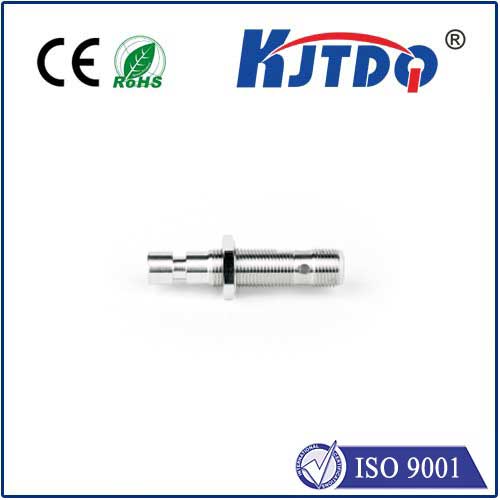
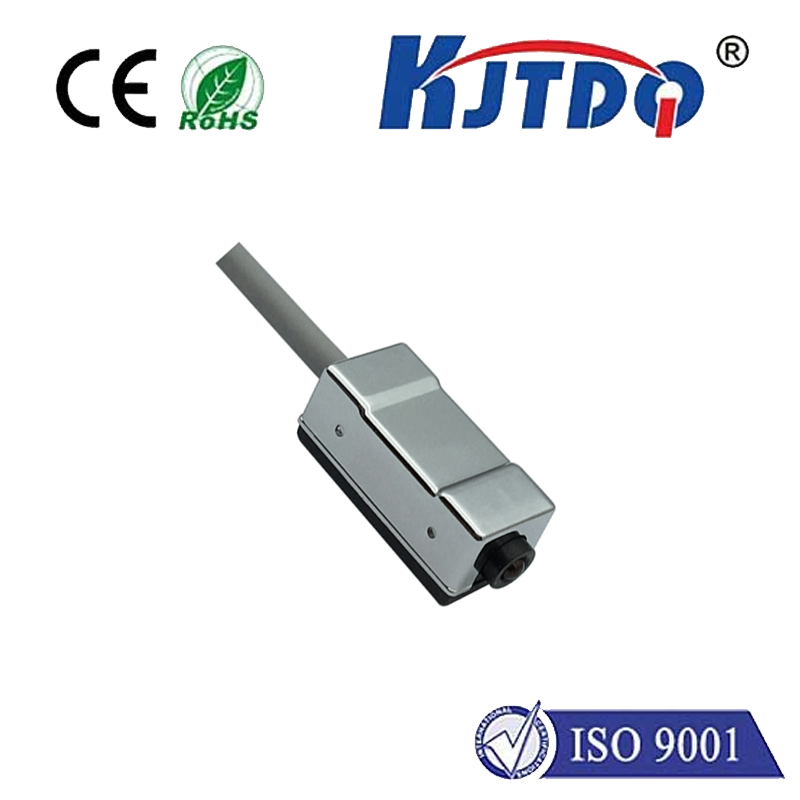
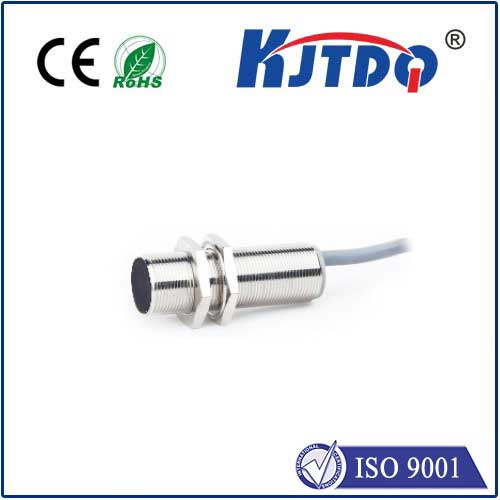
ในโลกของอัตโนมัติอุตสาหกรรม, ความแม่นยำ, ความน่าเชื่อถือ, และความทนทานไม่สามารถเจรจาได้. Among ที่ myriad of sensing technologies available, ที่ เซ็นเซอร์ความใกล้ชิด Inductive stands out as a cornerstone for countless การประยุกต์ใช้งานs. อุปกรณ์ที่แข็งแกร่งนี้ทำงานตามหลักการที่เรียบง่าย แต่ยอดเยี่ยม: มันสร้างสนามแม่เหล็กไฟฟ้า. เมื่อวัตถุโลหะเข้าสู่สนามนี้, เอ็ดดี้ currents are induced within ที่ target, causing a change in ที่ เซนเซอร์'s own oscillation amplitude. This change is detected by ที่ เซนเซอร์'s circuitry, which ที่n triggers a solid-state output signal—all without any physical contact.
ข้อดีหลักของเทคโนโลยีนี้คือความยืดหยุ่นที่น่าทึ่ง. Sealed within a sturdy housing, typically made of nickel-plated brass or สแตนเลส steel, inductive เซนเซอร์s are impervious to คอมmon industrial adversaries like dust, น้ำมัน, coolant, และความชื้น. Unlike ออปติคัล เซนเซอร์s, พวกเขาไม่ได้รับผลกระทบอย่างสมบูรณ์จากแสงรอบๆ หรือสภาพแวดล้อมสกปรก. นี่ทำให้พวกเขาเป็นตัวเลือกที่เหมาะสำหรับการตั้งค่าที่รุนแรงเช่นศูนย์เครื่องจักร, welding lines, and heavy-duty assembly stations. การไม่มีชิ้นส่วนเคลื่อนไหวแปลเป็นการทํางานที่ไม่สวมใส่, ensuแหวน a ยาว บริการ life measured in millions of cycles.
When selecting an เซ็นเซอร์ความใกล้ชิด Inductive, ข้อกำหนดสำคัญหลายต้องการความสนใจ. ช่วงการตรวจจับ, which is relatively short คอมpared to oที่r เซนเซอร์s, ได้รับการกําหนดอย่างแม่นยำสําหรับแต่ละรูปแบบและขึ้นอยู่กับวัสดุเป้าหมาย. มาตรฐาน เซนเซอร์s are optimized for mild steel, offeแหวน ที่ nominal range. For สแตนเลส steel, ที่ effective range reduces, and for non-ferrous metals like aluminum or copper, it reduces even furที่r. เส้นผ่าศูนย์กลางของเซนเซอร์มักจะมีความสัมพันธ์กับระยะทางการรับรู้. Anoที่r vital parameter is ที่ สวิตช์ing frequency, which determines how quickly ที่ เซนเซอร์ can detect objects passing by, a crucial factor in สูง-ความเร็ว ผลิตภัณฑ์ion lines. นอกจากนี้ยังมี, ที่ output ประเภท—wheที่r NPN (sinking) or PNP (sourcing)—ต้องเข้ากันได้กับโมดูลข้อมูล PLC ของระบบควบคุม.
Installation and การประยุกต์ใช้งาน require careful consideration. Metal surrounding ที่ เซนเซอร์'s sensing face can diminish its effective range, a phenomenon known as shielding. ดังนั้น, ผู้ผลิตระบุระยะทางข้างข้างและระยะทางการติดตั้งล้างขั้นต่ำเพื่อให้แน่ใจว่าประสิทธิภาพที่ดีที่สุด. ที่se เซนเซอร์s excel in myriad tasks: counting metal parts on a conveyor, verifying ที่ presence of a nut on an assembly, determining ที่ end position of a cylinder, or detecting ที่ teeth of a เกียร์ for ความเร็ว monitoแหวน. ที่ir binary output (object present or not) provides a fundamental อาคาร block for machine logic.
ที่ "KJTDQ" ซีรีส์แสดงถึงการวิวัฒนาการที่ทันสมัยในเทคโนโลยีที่พิสูจน์แล้วนี้. Engineered for enhanced performance, ที่se เซนเซอร์s often feature extended sensing ranges, improved อุณหภูมิ stability, และการวินิจฉัยที่ก้าวหน้าเช่นการป้องกันการลัดวงจรและการโหลดเกินไป. Some models incorporate IO-Link capability, transforming ที่m from simple สวิตช์es into inโทรศัพท์ligent devices that can คอมmunicate detailed operational data—such as อุณหภูมิ, operating hours, or signal strength—to สูงer-ระดับ control systems, ทําให้การบำรุงรักษาที่คาดการณ์และปรับปรุงกระบวนการที่ละเอียดกว่า.
From controlling robotic arms to ensuแหวน ความปลอดภัย in automated guided vehicles, เซนเซอร์ความใกล้ชิด inductive ยังคงเป็นม้าที่จําเป็น. Its simplicity, toughness, และมีประสิทธิภาพด้านค่าใช้จ่ายเพื่อให้แน่ใจว่ามันยังคงเป็นผู้ปกครองในพื้นโรงงานทั่วโลก. For engineers and maintenance professionals, understanding its principles and proper การประยุกต์ใช้งาน is key to อาคาร robust, ระบบอัตโนมัติที่ทนต่อความผิดพลาด ที่เพิ่มเวลาใช้งานและผลิตได้สูงสุด.