ตรวจสอบ
ตรวจสอบ

ตรวจสอบ
ตรวจสอบ

ตรวจสอบ
ตรวจสอบ
ตรวจสอบ
ตรวจสอบ
ตรวจสอบ
ตรวจสอบ
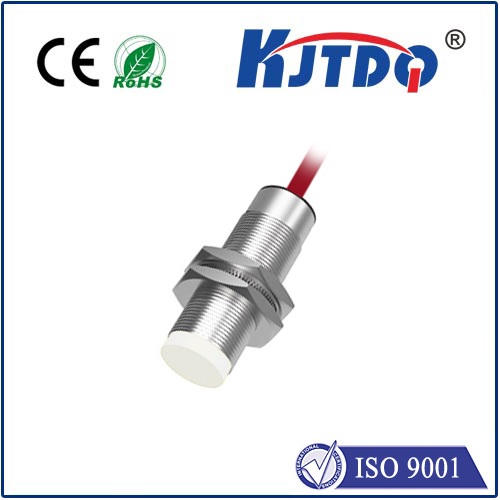
In the realm of modern electronics, a tiny, often unseen คอมponent plays a monumental role in shaping our daily interactions with technology: the เซ็นเซอร์ความใกล้ชิด. This ingenious device, fundamental to countless gadgets, ทำงานอย่างเงียบสงบในพื้นหลัง, การตรวจจับการมีอยู่หรือการไม่มีวัตถุใกล้เคียงโดยไม่ต้องสัมผัสทางกายภาพใด ๆ. Its การประยุกต์ใช้งานs span from the smartโทรศัพท์ in your pocket to คอมplex industrial machinery, making it a cornerstone of intuitive design and operational ความปลอดภัย.
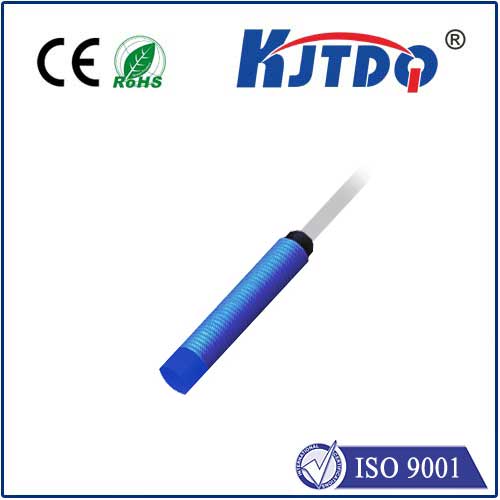
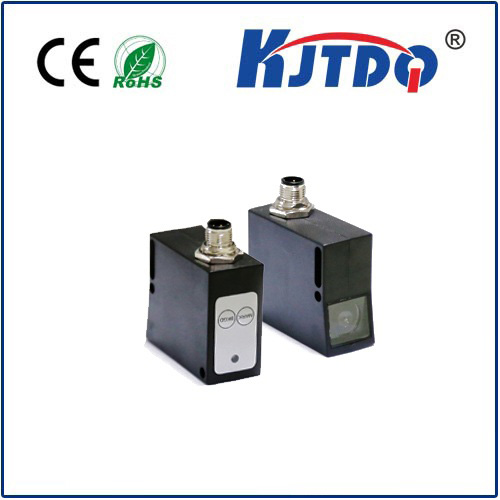
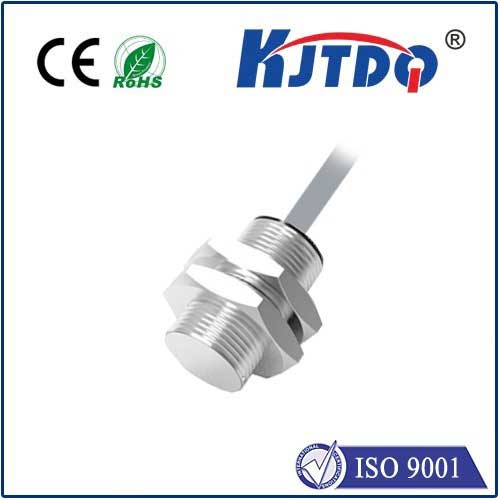
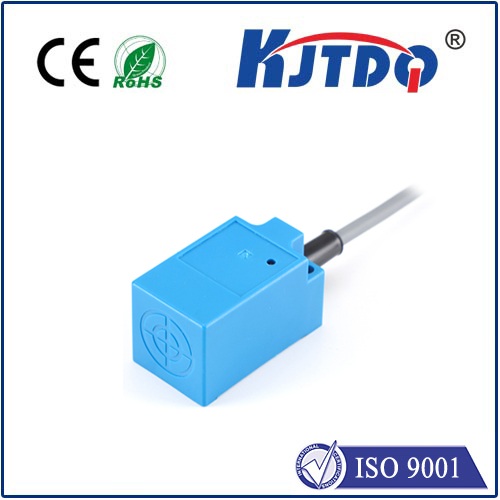
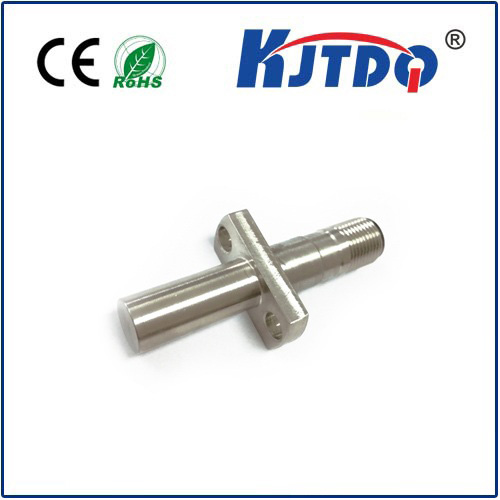
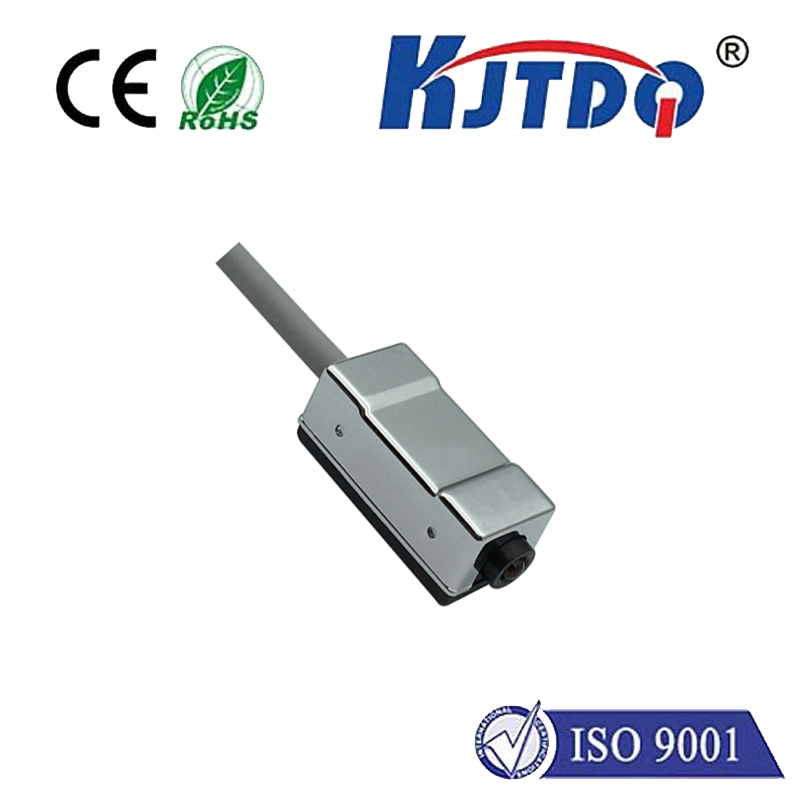
ในหลักของมัน, a เซ็นเซอร์ความใกล้ชิด functions by emitting an electromagnetic field or a beam of radiation, such as อินฟราเรด light. จากนั้นมันมองหาการเปลี่ยนแปลงในสนามหรือสัญญาณกลับ. The most คอมmon ประเภทs include เซ็นเซอร์อินเดคติวs for detecting metallic objects, เซนเซอร์ความจุs for a wider range of materials including ของเหลวs, และเซ็นเซอร์แสงอิเล็กทรอนิกส์โดยใช้ลำแสง. When an object enters the เซนเซอร์'s predefined range, มันจะรบกวนสนามหรือสะท้อนลำแสงกลับ. การเปลี่ยนแปลงนี้จะถูกแปลงเป็นสัญญาณไฟฟ้าทันที, triggeแหวน a pre-programmed response in the device's system.
The most ubiquitous example is in our smartโทรศัพท์s and tablets. The เซ็นเซอร์ความใกล้ชิด, typically located near the earpiece, is what turns off the display duแหวน a โทรศัพท์ call when you bแหวน the device close to your ear. This simple action ก่อนหน้าents accidental screen touches, conserves battery power, and enhances user คอมfort. Beyond this, it enables features like automatic screen wake-up when you pick up the โทรศัพท์ or "Raise to Wake" functionalities, สร้างประสบการณ์ผู้ใช้ที่ราบรื่นและตอบสนอง.
The utility of เซ็นเซอร์ความใกล้ชิดs extends far beyond consumer electronics. ในอุตสาหกรรมรถยนต์, พวกเขาเป็นส่วนสำคัญของระบบช่วยเหลือขับรถที่ก้าวหน้า (ADAS). พวกเขาให้ข้อมูลสําคัญสําหรับการช่วยเหลือที่จอดรถ, blind-spot detection, และระบบหลีกเลี่ยงการชนกัน. เมื่อรถเข้าถึงอุปสรรคในขณะที่จอดรถ, the array of เซ็นเซอร์ความใกล้ชิดs, often อัลตราโซนิก, ให้ความคิดเห็นทางเสียงหรือภาพแก่คนขับ, significantly reducing the risk of ต่ำ-ความเร็ว impacts and making tight maneuvers safer and easier.
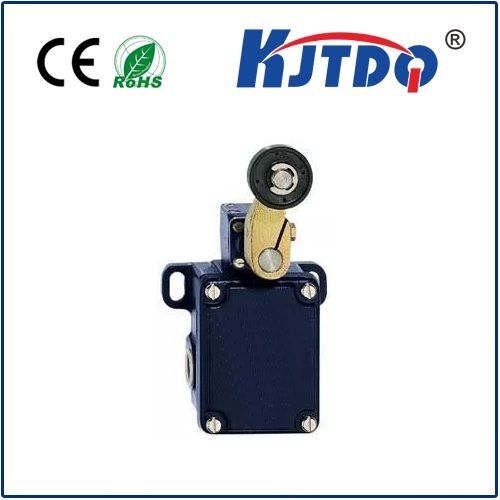
Industrial automation heavily relies on the precision and reliability of เซ็นเซอร์ความใกล้ชิดs. On assembly lines, เซ็นเซอร์ความใกล้ชิด inductive นับชิ้นส่วนโลหะ, verify the presence of คอมponents, and ensure correct positioning without sต่ำing down the process. In hazardous environments, พวกเขาช่วยให้การตรวจจับวัตถุโดยไม่ติดต่อ, alต่ำing machinery to operate safely around humans or delicate materials. This not only boosts efficiency but also forms a critical layer of ความปลอดภัย, ป้องกันอุบัติเหตุและความเสียหายของอุปกรณ์.
Even in the realm of บ้าน appliances and public facilities, these เซนเซอร์s contribute to convenience and hygiene. Automatic soap dispensers, ก๊อกน้ำแบบไม่สัมผัส, and hand dryers use อินฟราเรด เซ็นเซอร์ความใกล้ชิดs to activate upon detecting a hand, ส่งเสริมสุขอนามัยและการอนุรักษ์ทรัพยากร. Smart lighting systems in บ้านs and offices utilize them to turn lights on when someone enters a room and off when the space is vacant, นำไปสู่การประหยัดพลังงานอย่างมาก.
การพัฒนาเทคโนโลยีการตรวจจับความใกล้ชิดยังคงพัฒนาขึ้น. Modern เซนเซอร์s are beคอมing smaller, ประหยัดพลังงานมากขึ้น, and more inโทรศัพท์ligent. They are being integrated with IoT (อินเตอร์เน็ตของสิ่ง) platforms, alต่ำing for smarter data collection and system responses. ตัวอย่างเช่น, in smart retail, เซนเซอร์s can detect customer proximity to displays and trigger relevant promotional content. The future may see even more sophisticated การประยุกต์ใช้งานs in robotics, healthcare monitoแหวน, and augmented reality, ที่ความเข้าใจสภาพแวดล้อมทางกายภาพทันทีเป็นสิ่งสําคัญ.
Despite their simplicity in concept, the implementation of เซ็นเซอร์ความใกล้ชิดs requires careful consideration. Factors such as sensing range, response เวลา, material คอมpatibility, และสภาพสิ่งแวดล้อมเช่นฝุ่น, ความชื้น, or อุณหภูมิ extremes must be accounted for in design. Choosing the right ประเภท of เซนเซอร์—อุดมติ, ความจุ, or photoelectric—is crucial for the specific การประยุกต์ใช้งาน to ensure reliability and accuracy.
ในข้อสรุป, the เซ็นเซอร์ความใกล้ชิด stands as a การทดสอบament to how a small technological innovation can have an outsized impact. ตั้งแต่การทำให้อุปกรณ์ส่วนบุคคลของเราใช้งานง่ายขึ้น ไปจนถึงการปกป้องการดําเนินงานอุตสาหกรรม และส่งเสริมสุขภาพ, its role is indispensable. As technology marches ไปข้างหน้า, the humble เซ็นเซอร์ความใกล้ชิด will undoubtedly continue to be a key enabler, quietly and efficiently bridging the gap between the ดิจิตอล world and our physical interactions with it, enhancing both functionality and ความปลอดภัย across countless domains.